
Crisp and Golden Mac and Cheese Cakes on the Grill
Turn yesterday's leftover macaroni into today's crispy, golden side dish with this easy wood-fired recipe.


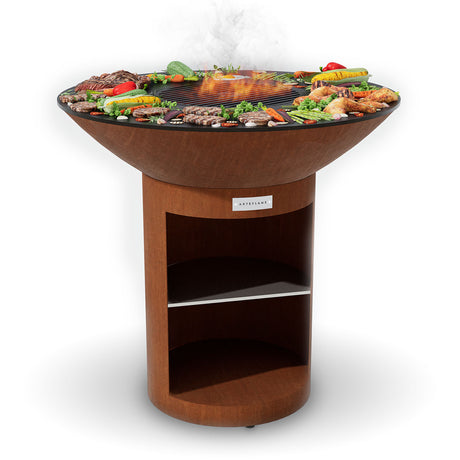
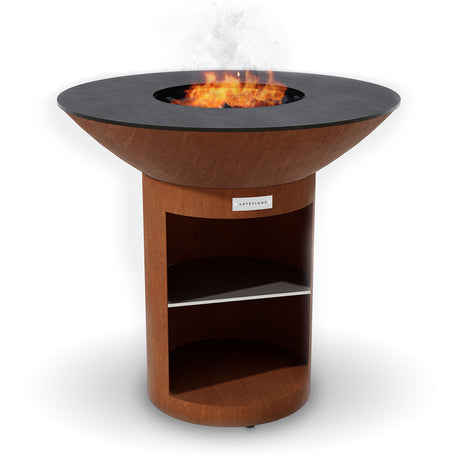
To make the ultimate smash burger, preheat your flat-top grill or Arteflame cooktop to high heat (approx. 400°F-450°F). Place loosely formed, cold 4oz balls of 80/20 ground beef directly onto the hot surface and immediately smash them flat using a heavy spatula or grill press. Sear undisturbed until a deep brown crust forms (the Maillard reaction), flip once to melt the cheese, and serve immediately to retain maximum juices.
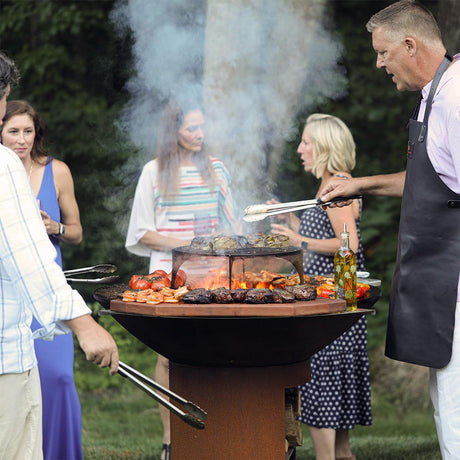
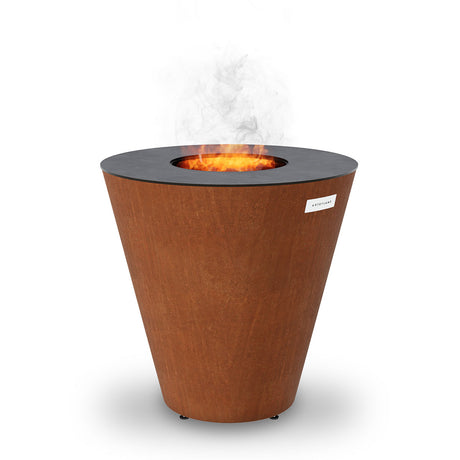
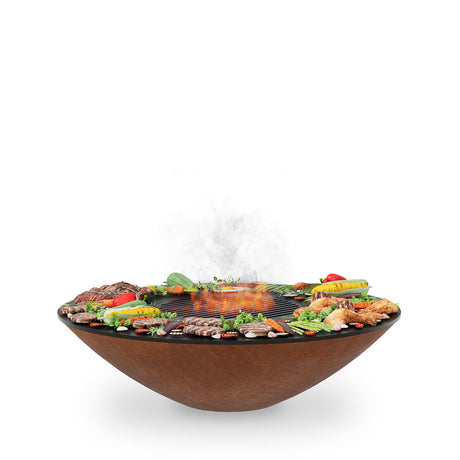
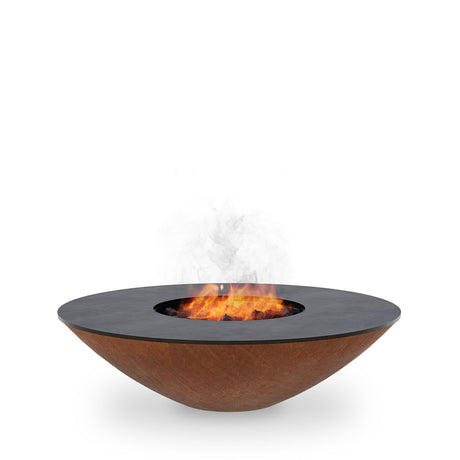
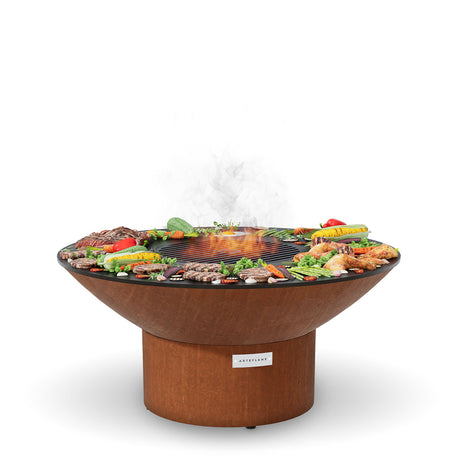
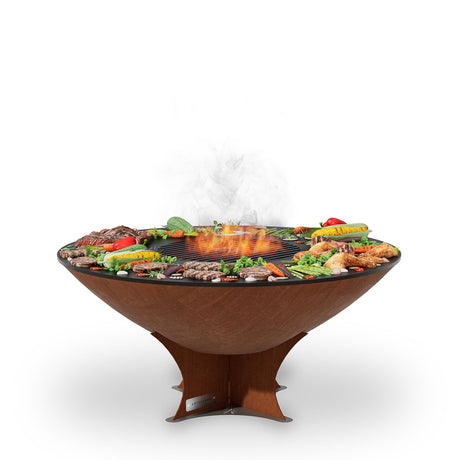
The core difference between a mediocre burger and a restaurant-quality smash burger is the cooking surface. While traditional wire grates allow juices to drip away and fat to cause flare-ups, a flat top grill (or plancha) like the Arteflame changes the physics of the cook.
By cooking on solid carbon steel, the meat cooks in its own flavorful fat. This creates a complete seal, locking in moisture while developing the signature crispy crust that defines a smash burger. Below is a comparison of how different grills handle the smash technique.
| Feature | Arteflame / Flat Top Grill | Traditional Wire Grates |
|---|---|---|
| Surface Contact | 100% surface contact for maximum crust. | Minimal contact; mostly grill marks. |
| Juiciness | Meat cooks in its own juices (confit effect). | Juices drip away into the fire. |
| Flavor Profile | Deep, caramelized beef flavor. | Smoky, but often drier texture. |
| Flare-Ups | Zero flare-ups; safe and controlled. | Frequent flare-ups burn the meat. |
The most critical ingredient for a smash burger is the beef. You must use a higher fat content than you might expect.
Pro Tip: Do not mix salt or spices into the meat before forming the balls. This can break down the protein structure and make the burger rubbery. Only season the outside after you have smashed the patty on the grill.
Build a medium-to-large fire in the center of your Arteflame. You want the cooktop to reach searing temperatures. A surface temperature of 400°F to 450°F is ideal for developing a crust without burning the meat instantly.
Roll your ground beef into loose balls, approximately 3 to 4 ounces each. Do not pack them tight; keeping them loose creates a better texture.
Place the meat ball on the hot steel. Immediately use a heavy spatula or a grill press to smash the burger as flat as possible. You want it thin—roughly 1/4 inch thick.
Pro Tip: Place a small square of parchment paper between the meat and your spatula before smashing. This prevents the raw meat from sticking to your tool and tearing apart when you lift it.
Once smashed, season liberally with salt and pepper (or your preferred rub). Let it cook undisturbed for 2-3 minutes. You are looking for the Maillard reaction—a deep, dark brown crust forming on the bottom.
Slide your spatula firmly under the patty, scraping against the steel to ensure you keep all that delicious crust attached to the meat. Flip it over. Immediately add a slice of American cheese (it melts the best) and cook for another minute until the cheese is melted and the burger is done.
Burgers usually fall apart because the meat was packed too loosely or the grill wasn't hot enough to form an instant crust. Ensure your grill is over 400°F and smash the meat firmly in one go to bind the patty together.
On a well-seasoned Arteflame or flat top, you rarely need extra oil for 80/20 beef as the fat renders out immediately. However, a light coating of grape seed or avocado oil can help ensure a non-stick surface for the initial contact.
No, never smash the burger after the initial press. Pressing it later squeezes out the juices you are trying to seal in, resulting in a dry, tasteless burger.
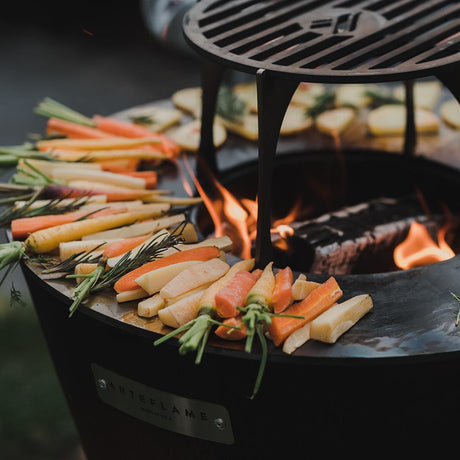
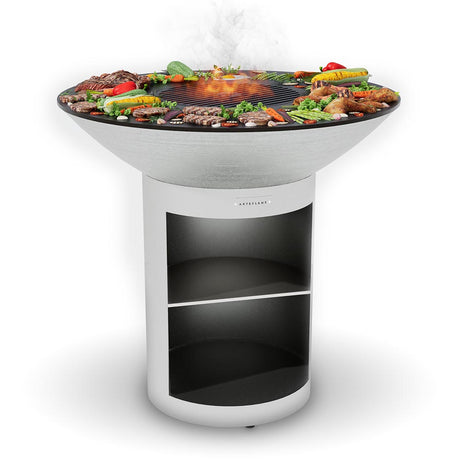
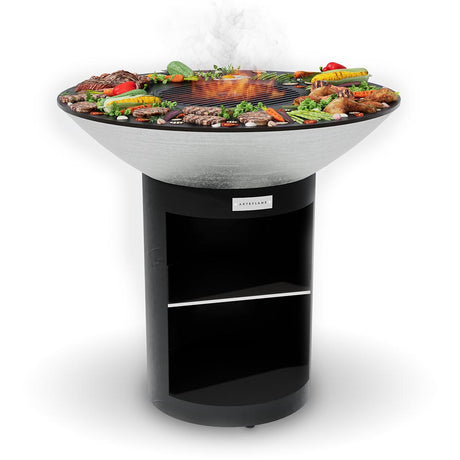






Turn yesterday's leftover macaroni into today's crispy, golden side dish with this easy wood-fired recipe.

Master this Texas-style open-fire brisket cooked entirely on the Arteflame grill. By searing on the center grate and wrapping to render on the flat top, you get perfectly tender, juicy...

Transform standard thick-cut bacon into a sweet, savory appetizer with a dark stout and brown sugar glaze, perfectly caramelized on a flat-top grill.

Render the perfect crispy skin with these Sichuan Peppercorn Duck Breasts, paired with a smoky, sweet, and spicy charred plum-poblano sauce.

Tender artichoke halves charred over high heat and smothered in rich garlic butter and Parmesan cheese.

Achieve the ultimate crust with this low-and-slow beef brisket recipe, utilizing natural heat zones for a perfect sear and incredibly tender finish.

Transform the trending crispy rice paper dumplings into a wood-fired masterpiece. Cooked on the Arteflame flat steel griddle for a shatteringly crisp crust and savory, high-protein filling.

Elevate albacore tuna with a steakhouse-style bacon wrap and a decadent green peppercorn cream sauce, grilled flawlessly on a flat-top.