
Crisp and Golden Mac and Cheese Cakes on the Grill
Turn yesterday's leftover macaroni into today's crispy, golden side dish with this easy wood-fired recipe.


The secret to keeping grilled chicken from drying out is temperature control and moisture retention. Always use an instant-read thermometer and pull chicken breasts at 160°F (71°C), allowing carryover cooking to reach the safe 165°F (74°C) mark while resting. Unlike open grates that drain juices, cooking on a solid steel griddle creates a seared crust that locks moisture inside.
Not all chicken is created equal when it comes to high-heat grilling. Choosing the right cut is half the battle against dryness. Dark meat is naturally more forgiving due to higher fat content, while white meat requires precision.
| Chicken Cut | Fat Content | Risk of Drying Out | Ideal Pull Temp |
|---|---|---|---|
| Boneless Skinless Breast | Low | High | 160°F |
| Bone-In Thighs | High | Low | 170°F - 175°F |
| Drumsticks | Medium-High | Low | 175°F |
| Wings | High | Low | 175°F - 180°F |
Note: While breasts are popular, thighs provide a much wider margin for error and richer flavor on the grill.
On standard grate grills, two things happen: fat renders out and drips directly onto the coals (causing flare-ups that char the meat), and the open airflow strips moisture rapidly.
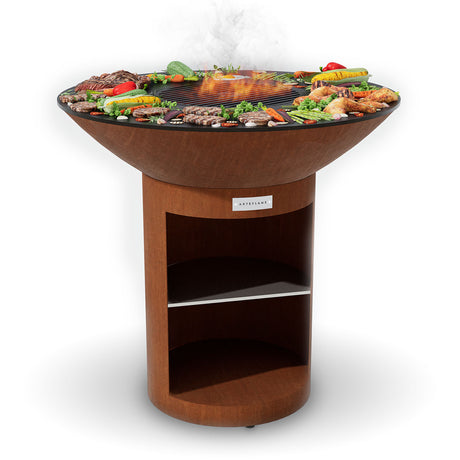
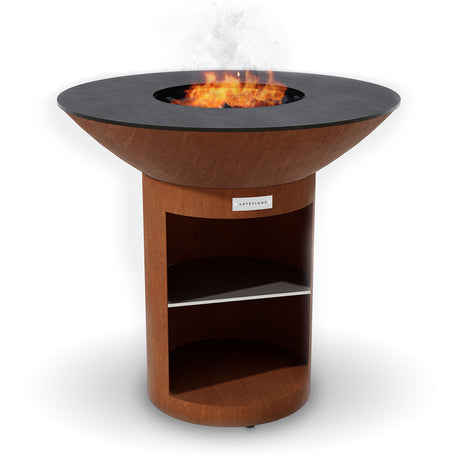
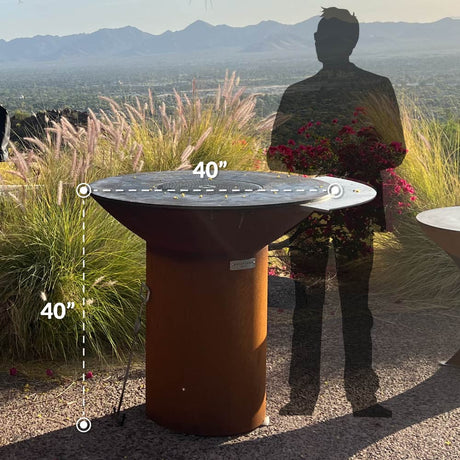
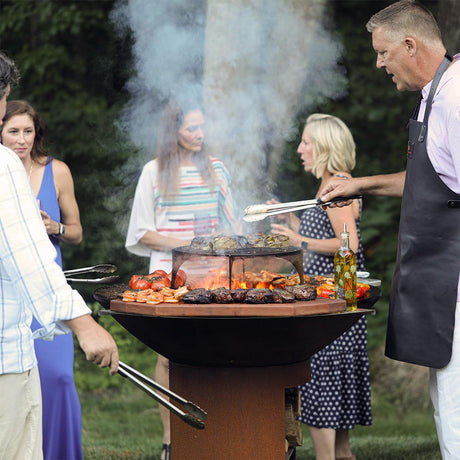
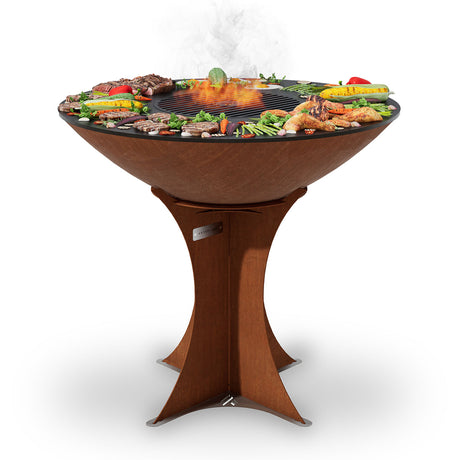
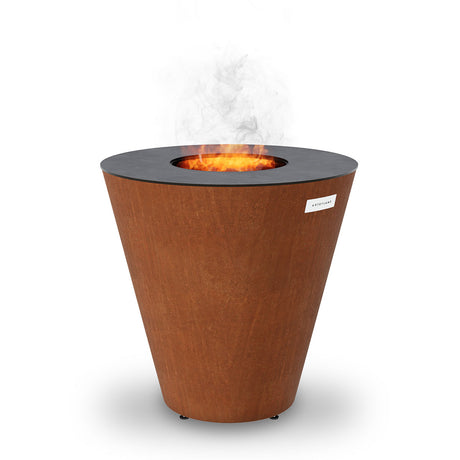
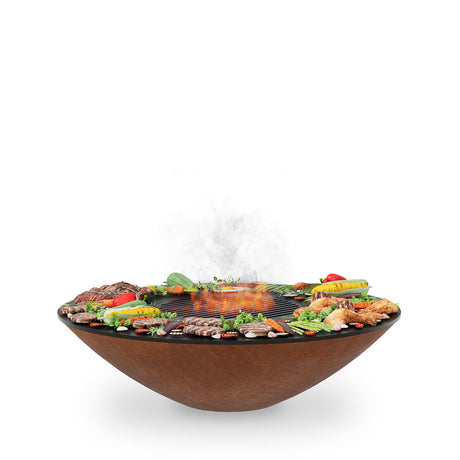
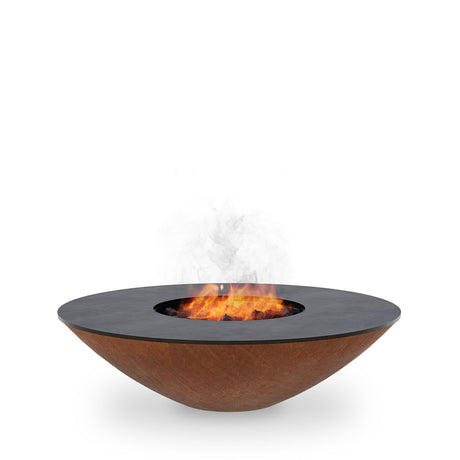
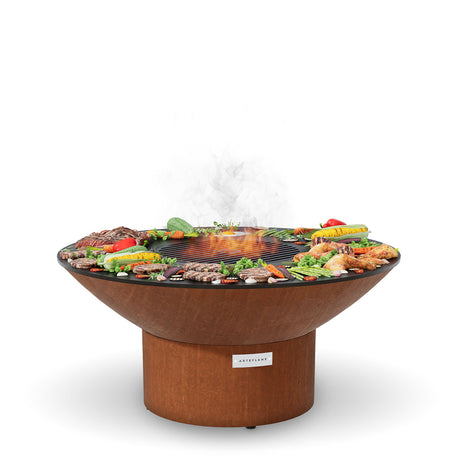
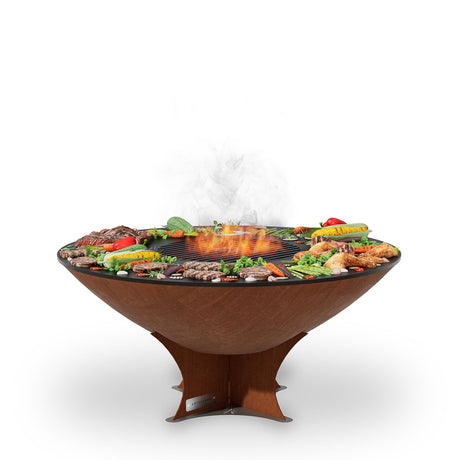
An Arteflame grill solves this by using a solid carbon steel cooktop. This surface sears the meat immediately—known as the Maillard Reaction—and cooks the chicken in its own juices rather than letting them evaporate or drip away.
Pro Tip: Never press down on chicken breasts with a spatula while grilling. This squeezes out the intramuscular water (the "juice") that keeps the meat tender. Let the heat do the work.
Yes, especially for lean breasts. Soaking chicken in a saltwater solution (wet brine) or salting it generously 4 hours before cooking (dry brine) denatures the proteins. This allows the muscle fibers to hold onto water during the cooking process.
Take your chicken out of the fridge 20-30 minutes before grilling. Cold meat hits the hot grill and seizes up, squeezing out moisture. Tempering ensures even cooking.
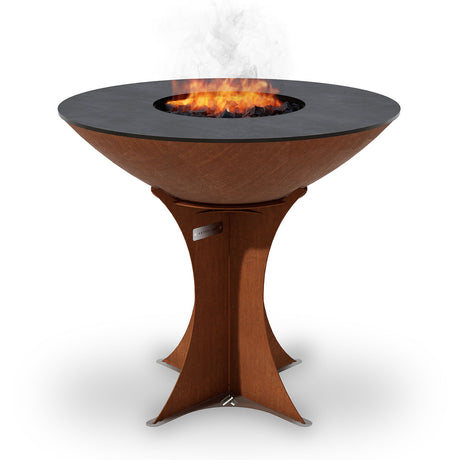
Utilize the distinct heat zones of the Arteflame plancha. Start the chicken closer to the center fire to get a hard sear (about 2-3 minutes per side). Once the crust forms, move the pieces to the outer, cooler ring of the cooktop to finish cooking gently.
Pro Tip: Use the reverse-sear method for thick breasts. Start them on the outer cool ring until they reach 145°F, then move them to the center hot zone to sear quickly until they hit 160°F. This minimizes moisture loss.
Let chicken rest for at least 5 to 10 minutes before slicing. This allows the juices, which migrate to the center during cooking, to redistribute evenly throughout the meat.
Rubbery chicken is usually a sign of overcooking or cooking at too low a temperature for too long. Ensure your grill is hot enough to sear (400°F+) and pull the meat as soon as it hits internal temperature.
It is not recommended. Grilling frozen chicken leads to the outside overcooking and drying out before the inside is safe to eat. Always thaw completely in the refrigerator before grilling.






Turn yesterday's leftover macaroni into today's crispy, golden side dish with this easy wood-fired recipe.

Master this Texas-style open-fire brisket cooked entirely on the Arteflame grill. By searing on the center grate and wrapping to render on the flat top, you get perfectly tender, juicy...

Transform standard thick-cut bacon into a sweet, savory appetizer with a dark stout and brown sugar glaze, perfectly caramelized on a flat-top grill.

Render the perfect crispy skin with these Sichuan Peppercorn Duck Breasts, paired with a smoky, sweet, and spicy charred plum-poblano sauce.

Tender artichoke halves charred over high heat and smothered in rich garlic butter and Parmesan cheese.

Achieve the ultimate crust with this low-and-slow beef brisket recipe, utilizing natural heat zones for a perfect sear and incredibly tender finish.

Transform the trending crispy rice paper dumplings into a wood-fired masterpiece. Cooked on the Arteflame flat steel griddle for a shatteringly crisp crust and savory, high-protein filling.

Elevate albacore tuna with a steakhouse-style bacon wrap and a decadent green peppercorn cream sauce, grilled flawlessly on a flat-top.