
Best Grilled Vegetables: Charred & Crispy Guide | Arteflame
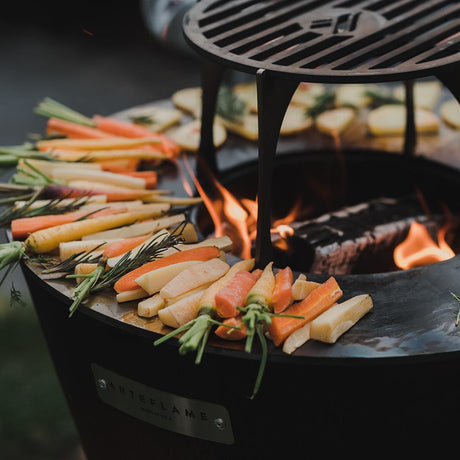
Learn the best veggies for grilling—plus times, temps, and pro tips—optimized for Arteflame heat zones for perfect char and flavor every time.


You do not need a digital device to start cooking immediately. The most reliable analog method is the "Hand Test." Simply hold your open palm 4 to 5 inches above the grill grate and count how many seconds you can keep it there before the heat forces you to pull away. This instinctive physical reaction correlates directly to the fire's temperature range and cooking potential.
Use this reference table to translate your "hand count" into actionable cooking temperatures. This is critical for determining if you are ready to sear a steak or slow-roast chicken.
| Hand Count (Seconds) | Heat Level | Temp Range (°F) | Best Cooking Application |
|---|---|---|---|
| 1 to 2 Seconds | High Heat | 450°F - 650°F | Searing steaks, chops, tuna |
| 3 to 4 Seconds | Medium-High | 375°F - 450°F | Burgers, vegetables, fish |
| 5 to 7 Seconds | Medium | 325°F - 375°F | Chicken pieces, sausages, pork |
| 8 to 10 Seconds | Low Heat | 225°F - 325°F | Ribs, brisket, whole roasts |
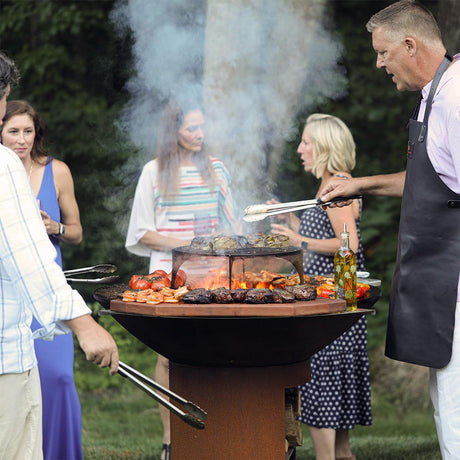
Pro Tip: If you are using an Arteflame or similar flat-top grill, remember that the distance from the center determines the heat. You don't need to wait for coals to cool down; simply move your food to the outer edge for lower temperatures or the center for high heat.
If you can barely hold your hand over the grate for a second, your grill is in the searing zone. This intense heat is required for the Maillard reaction, which creates that delicious brown crust on steaks and chops.
Do not leave thick cuts of meat here for too long, or the outside will burn before the inside cooks. Use this zone for quick searing, then move the food to a cooler zone.
This is the universal grilling temperature. It is hot enough to develop flavor but gentle enough to cook foods through without charring them instantly. It is the perfect range for:
Once you can hold your hand for 5 seconds or more, you are in roasting territory. This is vital for foods with high sugar content (like BBQ sauce glazed chicken) or thick cuts that need time to render fat.
If you are cooking bone-in chicken or a thick roast, start here. If you apply high heat to these items immediately, the outside will carbonize while the inside remains raw.
Knowing the temperature is only half the battle; you must also control it. On a standard charcoal grill, you control heat by adjusting the air vents (oxygen intake) or spreading out the coals.
Pro Tip: On a griddle-style grill like the Arteflame, heat management is spatial, not mechanical. The solid steel cooktop creates a natural heat gradient. Instead of fiddling with vents, slide your food closer to the center fire for searing and pull it toward the outer rim to slow down the cooking process.
This method allows you to cook multiple items requiring different temperatures simultaneously—searing a steak in the center while slow-roasting corn on the edge.
Yes, the hand test works on charcoal, gas, and wood-fired grills. However, it measures radiant heat at the grate level, which is what actually cooks your food, making it functionally more accurate than a dome thermometer that only measures air temp.
Strictly maintain a distance of 4 to 5 inches from the cooking surface. If you get too close, you risk burns and will misjudge the heat as being hotter than it actually is; too far away, and you will underestimate the temperature.
Generally, no. If you can hold your hand there for more than 10 or 12 seconds, the fire is likely too low (under 225°F) for standard grilling. You may need to add more fuel or increase airflow to bring the temperature up to a safe cooking range.
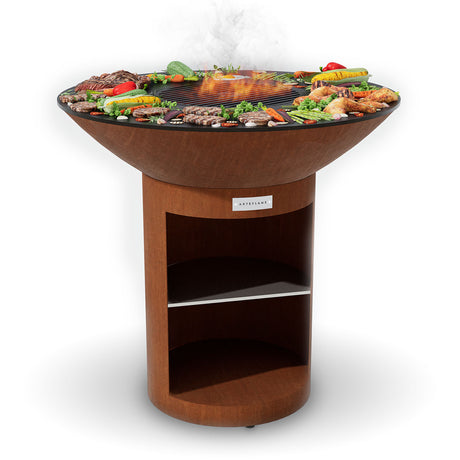
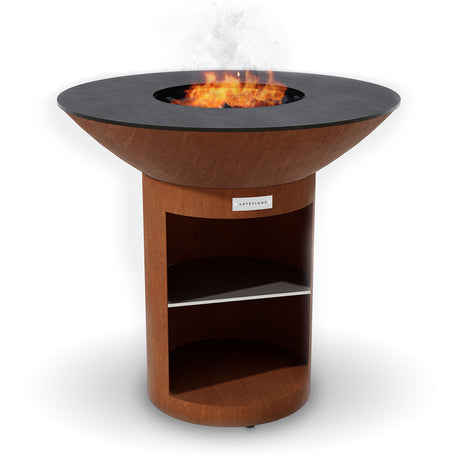
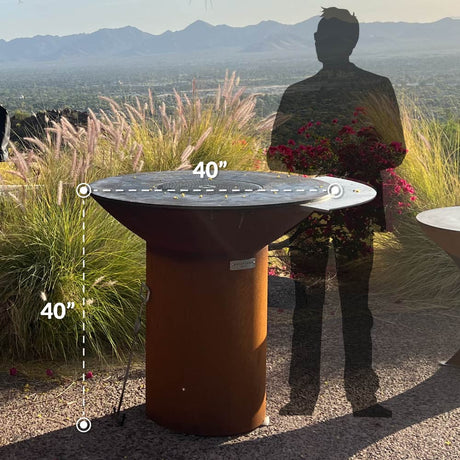
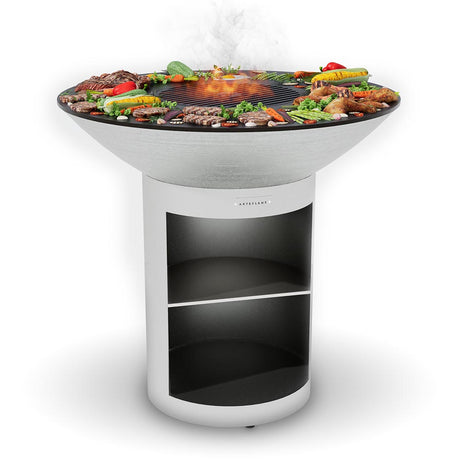
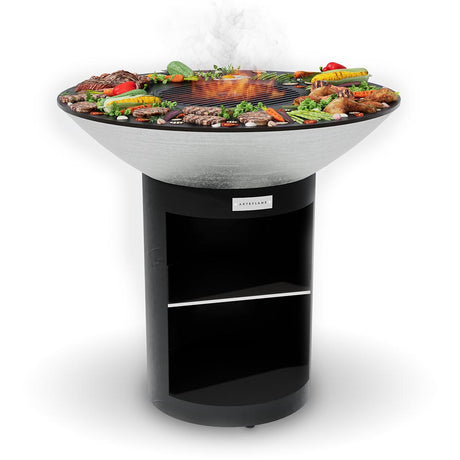


Arteflame Classic 40″ — Storage Base Flat-Top Grill & Fire Bowl (CORTEN Steel)


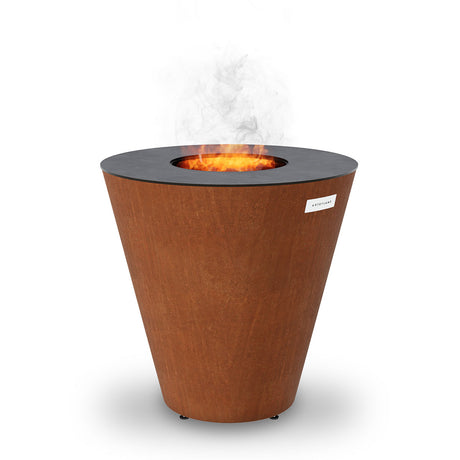
Arteflame ONE30 — 30″ One Series Flat-Top Charcoal Grill & Fire Bowl (Single-Piece CORTEN Steel)
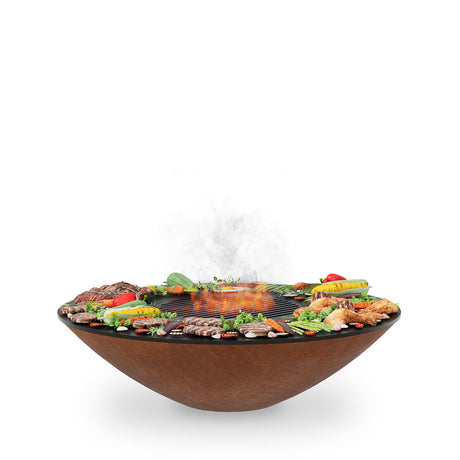
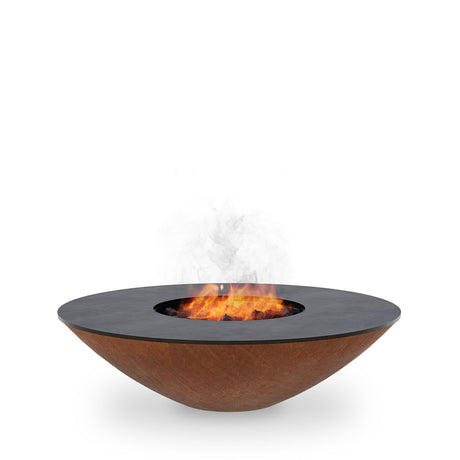
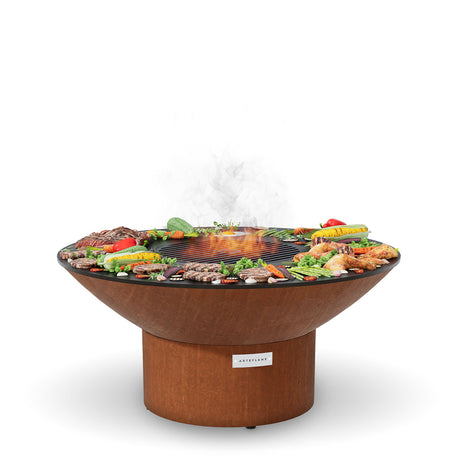
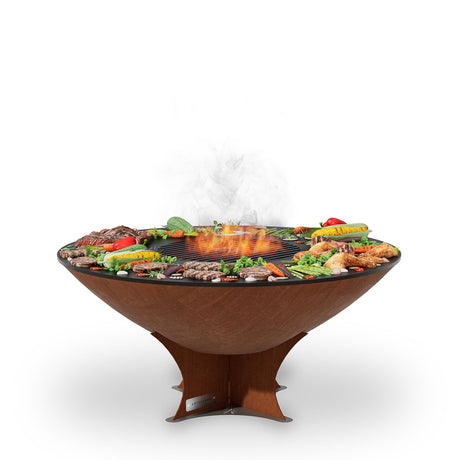

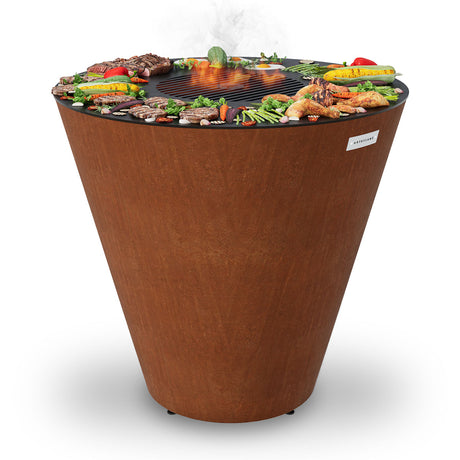


Arteflame One Series 40″ — XXL Flat-Top Charcoal Grill & Fire Bowl (Single-Piece CORTEN Body)


Learn the best veggies for grilling—plus times, temps, and pro tips—optimized for Arteflame heat zones for perfect char and flavor every time.

Transform classic apple pie into a handheld delight with these Wyoming Apple Cinnamon Grilled Dessert Wraps. perfectly crispy, caramelized, and cooked on the Arteflame grill for a smoky finish.

Experience the rustic taste of the West with this Wyoming Campfire Blueberry Cobbler recipe for the Arteflame grill. Featuring bubbling blueberries and a golden biscuit crust cooked in cast iron,...

Experience the rugged flavor of the American West with these Wyoming Wild Boar Chops. Seared to perfection on the Arteflame grill, this recipe uses a savory juniper and sage rub...

Elevate your BBQ with these Wyoming-style grilled carrots. Sweet honey, tangy balsamic, and a perfect char make this the ultimate side dish for your Arteflame grill. Easy, healthy, and packed...

Unleash the flavor of the American West with these tender Wyoming Teriyaki Bison Skewers. Featuring a homemade savory-sweet glaze and perfectly charred vegetables, this recipe maximizes the searing power of...

Unlock the savory flavors of the West with this Wyoming-style garlic parmesan grilled mushrooms recipe. Perfectly seared on the Arteflame flat top, these buttery, cheesy mushrooms make the ultimate side...

Unlock the bold flavors of the West with this Wyoming-style grilled jalapeño cheddar sausage recipe. Learn how to achieve the perfect sear and juicy interior using your Arteflame grill for...