
Best Grilled Vegetables: Charred & Crispy Guide | Arteflame
Learn the best veggies for grilling—plus times, temps, and pro tips—optimized for Arteflame heat zones for perfect char and flavor every time.


Direct heat involves cooking food directly over the flame or heat source for high-temperature searing, perfect for thin cuts like burgers and steaks. Indirect heat utilizes adjacent, radiant heat to cook food slowly (similar to an oven), which is essential for large roasts, whole chickens, or thick cuts of meat. Mastering the balance between these two zones allows you to sear the exterior for flavor without burning, while ensuring the interior reaches the safe temperature.
Understanding when to apply high heat versus low, slow heat is the secret to grill mastery. Use this comparison guide to determine the best approach for your next cookout.
| Feature | Direct Heat | Indirect Heat |
|---|---|---|
| Heat Source | Directly below the food | To the side of the food |
| Temperature | High (450°F - 700°F+) | Low to Medium (225°F - 350°F) |
| Cooking Time | Short (Under 20 mins) | Long (Over 20 mins) |
| Best For | Steaks, Burgers, Shrimp, Veggies | Ribs, Brisket, Whole Chicken |
| Primary Goal | Searing, Caramelization (Maillard) | Even internal cooking, Roasting |
Direct heat is strictly for searing and fast cooking. This method exposes food to temperatures often exceeding 500°F. It promotes the Maillard reaction, which creates that delicious, crispy brown crust on meats and caramelizes the natural sugars in vegetables.
Pro Tip: On a standard grill, keep the lid open when cooking with direct heat to monitor the char level closely. However, on an Arteflame, the open-fire design ensures maximum airflow, so you get a cleaner sear without the bitter taste of trapped smoke.
Indirect heat turns your grill into an outdoor oven. By placing food adjacent to the fire rather than on top of it, hot air circulates around the meat, cooking it gently from all sides. This is crucial for tough cuts that need time to break down connective tissue or thick items that would burn on the outside before the center is safe to eat.
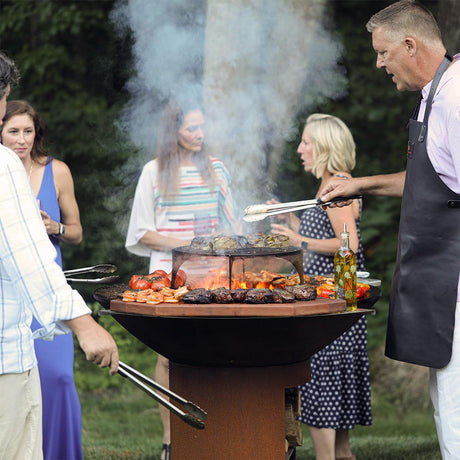
Traditional grills often require you to build a fire on one side and leave the other empty to create two zones. The Arteflame Cooktop revolutionizes this by offering all heat zones simultaneously without complex setups.
The solid carbon steel cooktop is hottest at the center (nearest the fire) and gradually cools toward the outer edge. This allows you to grill using heat gradients:
Information Gain / Pro Tip: Use the "Reverse Sear" technique effortlessly on an Arteflame. Start a thick Tomahawk steak on the outer cool edge of the cooktop to bring the internal temperature up slowly. Once it hits 115°F, move it immediately to the center grill grate for a 60-second high-intensity sear.
Yes. On most grills, this requires banking coals to one side. On an Arteflame, it happens naturally; you can sear a steak in the center while simultaneously slow-roasting corn or potatoes on the outer edge of the flat cooktop.
Yes, because the temperature is significantly lower (usually 225°F to 350°F), cooking times will be longer. Always cook to internal temperature using a meat thermometer rather than relying strictly on a timer.
On traditional kettle or gas grills, yes—closing the lid traps the heat and creates the convection oven effect required for indirect cooking. On an Arteflame griddle, the heat radiates through the steel surface, so no lid is required to achieve different cooking zones.
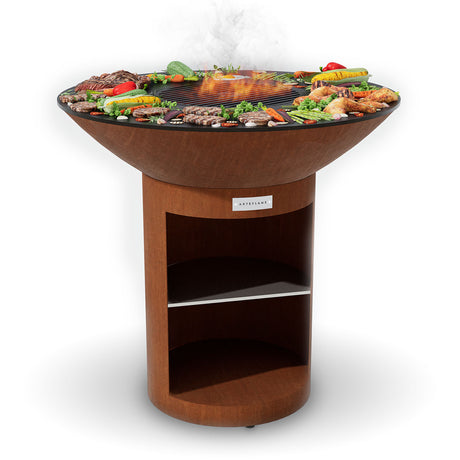
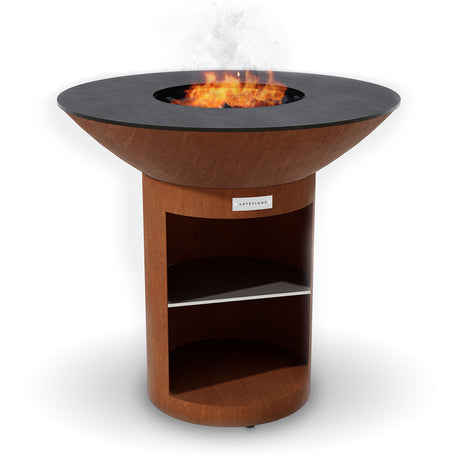
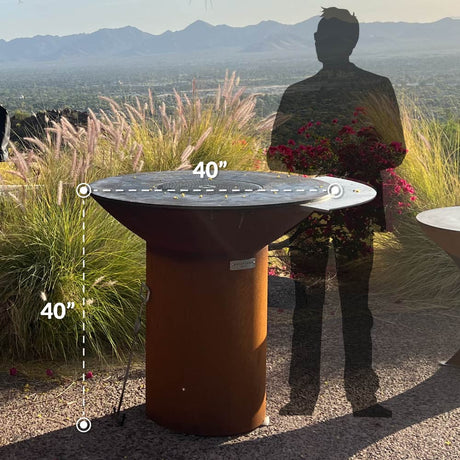
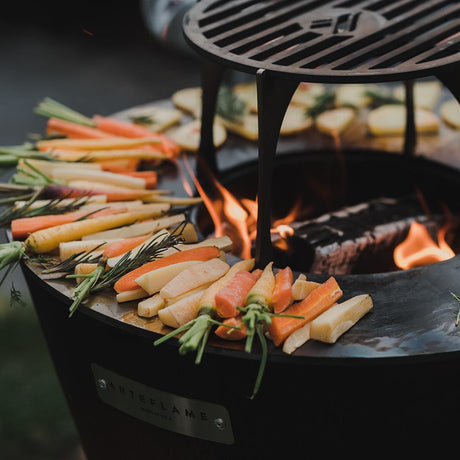
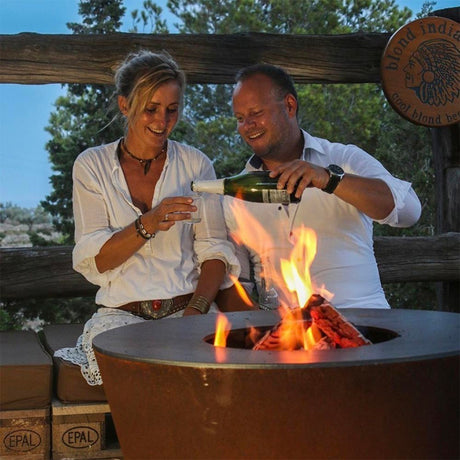
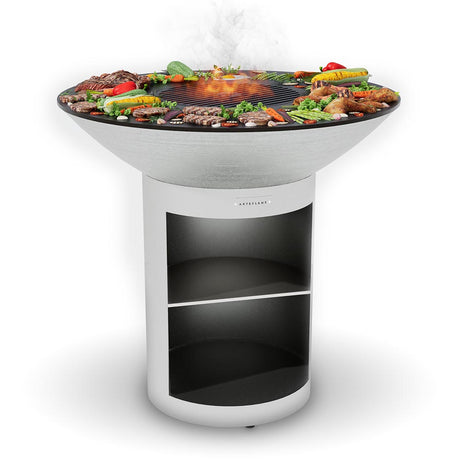
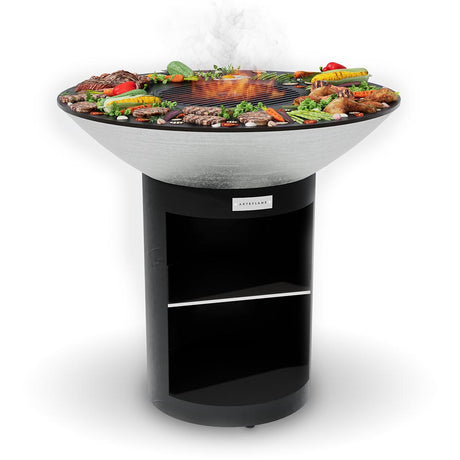
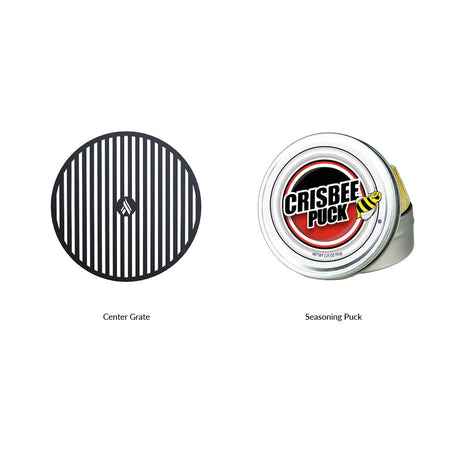


Arteflame Classic 40″ — Storage Base Flat-Top Grill & Fire Bowl (CORTEN Steel)
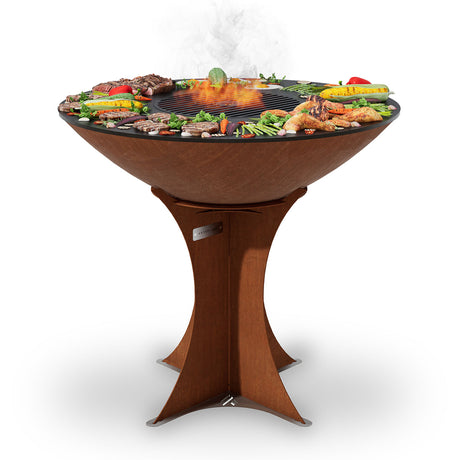
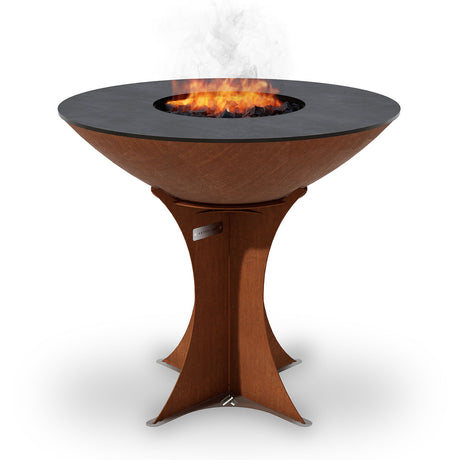


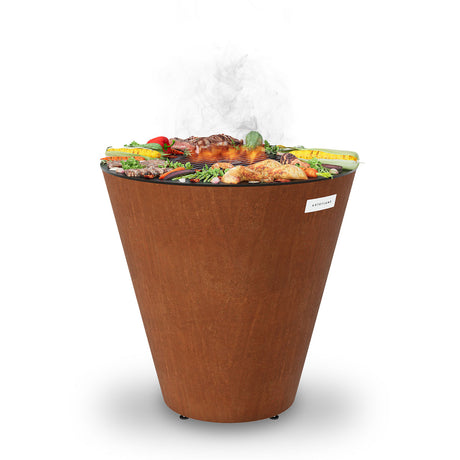
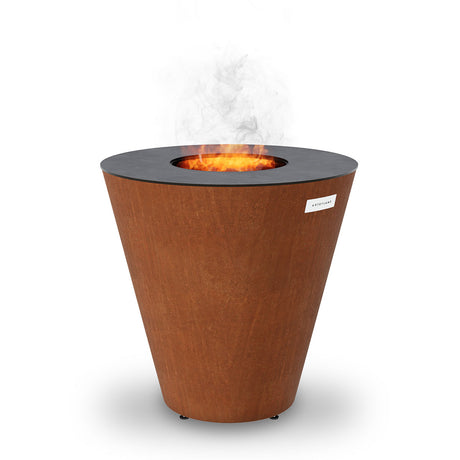
Arteflame ONE30 — 30″ One Series Flat-Top Charcoal Grill & Fire Bowl (Single-Piece CORTEN Steel)
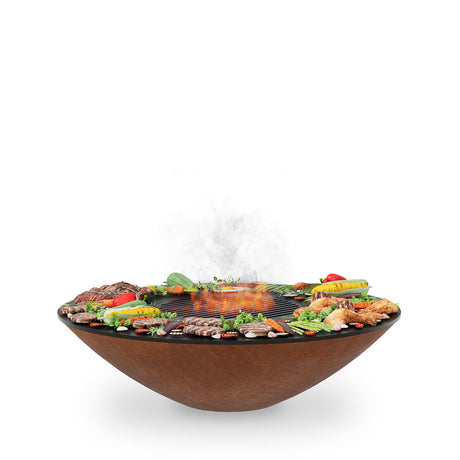
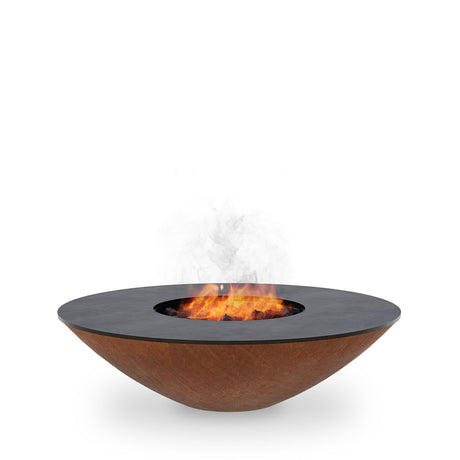
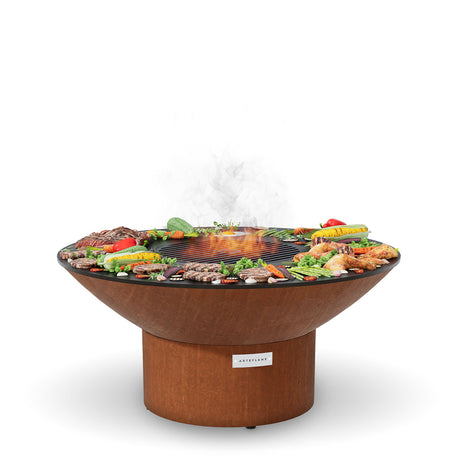
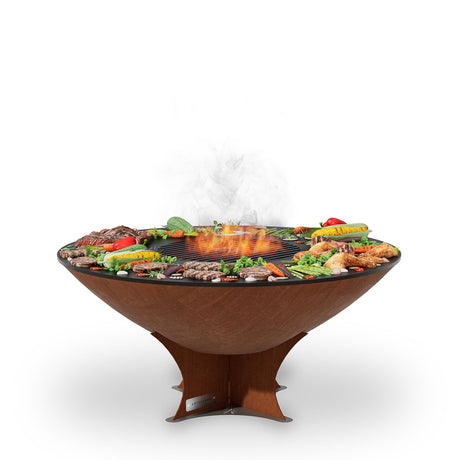

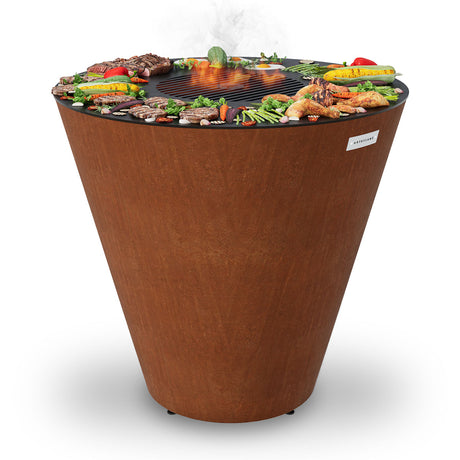


Arteflame One Series 40″ — XXL Flat-Top Charcoal Grill & Fire Bowl (Single-Piece CORTEN Body)


Learn the best veggies for grilling—plus times, temps, and pro tips—optimized for Arteflame heat zones for perfect char and flavor every time.

Transform classic apple pie into a handheld delight with these Wyoming Apple Cinnamon Grilled Dessert Wraps. perfectly crispy, caramelized, and cooked on the Arteflame grill for a smoky finish.

Experience the rustic taste of the West with this Wyoming Campfire Blueberry Cobbler recipe for the Arteflame grill. Featuring bubbling blueberries and a golden biscuit crust cooked in cast iron,...

Experience the rugged flavor of the American West with these Wyoming Wild Boar Chops. Seared to perfection on the Arteflame grill, this recipe uses a savory juniper and sage rub...

Elevate your BBQ with these Wyoming-style grilled carrots. Sweet honey, tangy balsamic, and a perfect char make this the ultimate side dish for your Arteflame grill. Easy, healthy, and packed...

Unleash the flavor of the American West with these tender Wyoming Teriyaki Bison Skewers. Featuring a homemade savory-sweet glaze and perfectly charred vegetables, this recipe maximizes the searing power of...

Unlock the savory flavors of the West with this Wyoming-style garlic parmesan grilled mushrooms recipe. Perfectly seared on the Arteflame flat top, these buttery, cheesy mushrooms make the ultimate side...

Unlock the bold flavors of the West with this Wyoming-style grilled jalapeño cheddar sausage recipe. Learn how to achieve the perfect sear and juicy interior using your Arteflame grill for...