
Crisp and Golden Mac and Cheese Cakes on the Grill
Turn yesterday's leftover macaroni into today's crispy, golden side dish with this easy wood-fired recipe.


The definitive way to grill chicken wings is using a two-zone heat method. Sear the wings over high heat (400°F+) to render the fat and crisp the skin, then move them to a medium-heat zone to finish cooking internally without burning. Using a flat-top grill or plancha ensures maximum surface contact for the crispiest skin, while wood fire adds essential smoky flavor. Target an internal temperature of 175°F for the best texture.
Achieving restaurant-quality wings requires balancing smoke, heat, and surface area. While deep frying offers crispiness, it lacks flavor. Standard grilling adds flavor but often results in uneven cooking or burnt skin. The Arteflame method combines the best of both: the high-heat searing capability of a griddle with the wood-fired flavor of a grill.
| Feature | Standard Gas/Charcoal Grate | Kitchen Oven | Arteflame Flat Top Grill |
|---|---|---|---|
| Crispiness | Moderate (often burns) | Low to Medium | High (All-over sear) |
| Flavor Profile | Smoky/Charred | Neutral | Smoky + Maillard Reaction |
| Juiciness | Dries out easily | Retains moisture | Seals juices in quickly |
| Cooking Time | 20-25 Minutes | 45-50 Minutes | 15-20 Minutes |
Preparation is just as critical as the fire itself. To ensure the skin crisps up rather than steams, moisture is your enemy.
For the crispiest results, stick to a dry rub during the cooking process. Wet marinades introduce moisture that prevents the skin from getting crunchy. If you love sauce, brush it on during the final 2 minutes of grilling or toss the wings in sauce after they come off the grill.
Pro Tip: Pat your wings completely dry with paper towels, then dust them with a mixture of salt and a pinch of baking powder (not baking soda). Let them sit uncovered in the fridge for an hour before grilling. This changes the pH of the skin, drying it out for an ultra-crunchy finish equivalent to frying.
You need a grill surface temperature between 400°F and 450°F. If the heat is too low, the fat under the skin won't render, leading to rubbery wings. If it is too high, the skin will burn before the meat pulls away from the bone.
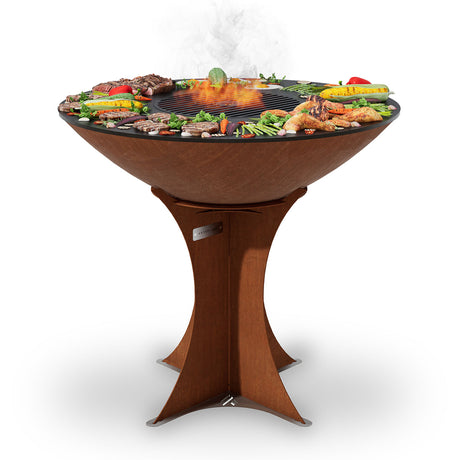
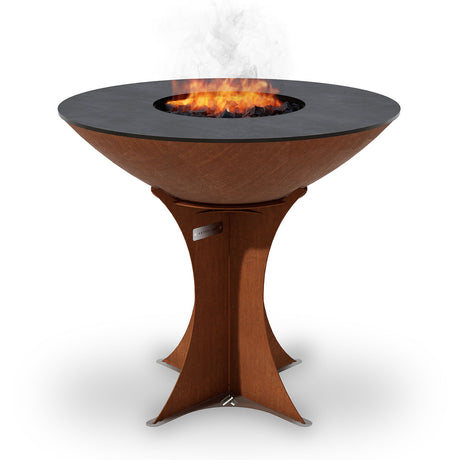
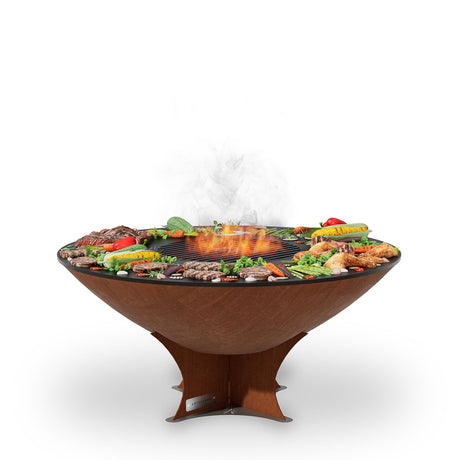
The Arteflame cooktop naturally provides heat gradients. The center is hottest, while the outer edges are cooler. This allows you to sear the wings near the center grate to lock in the crust, then slide them toward the outer edge to finish cooking gently.
Pro Tip: Unlike breast meat, chicken wings benefit from being cooked slightly past 165°F. Aim for an internal temperature of 175°F to 180°F. This breaks down the collagen, making the meat tender enough to fall off the bone.
On a hot flat-top grill or Arteflame, wings typically take 15 to 20 minutes total. Flip them every 4 to 5 minutes to ensure even browning and to prevent burning on one side.
No, you should generally avoid par-boiling. While it renders fat, it also waters down the flavor and gives the meat a rubbery texture. A proper high-heat sear renders fat much more effectively while preserving taste.
Ensure your grill is up to temperature before adding the meat, and apply a light coat of oil to the metal surface. Do not try to flip the wing too early; the meat will naturally release from the metal once the sear is complete.
Chewy wings are usually the result of undercooking. While safe to eat at 165°F, wings are best at 175°F+ because the connective tissue needs higher temperatures to break down and become tender.




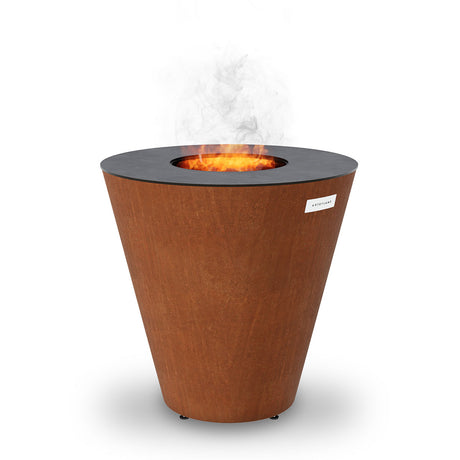
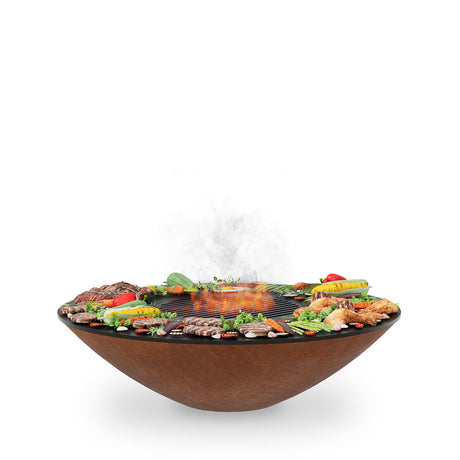
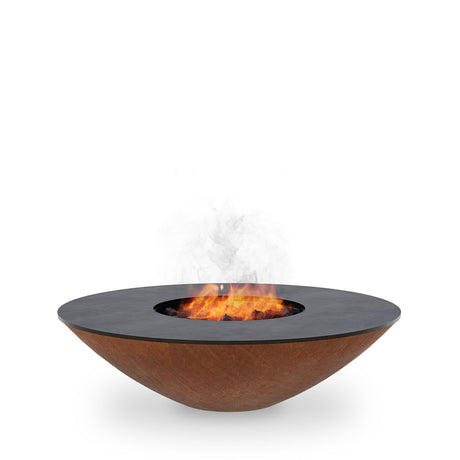
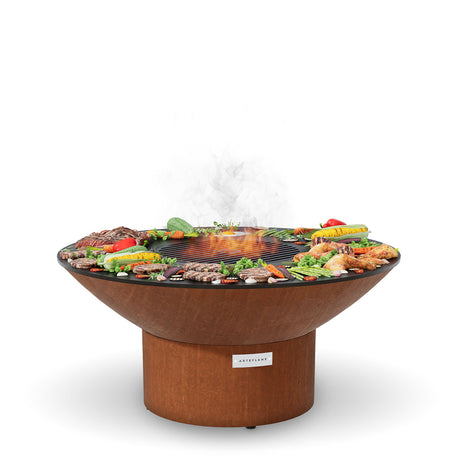


Turn yesterday's leftover macaroni into today's crispy, golden side dish with this easy wood-fired recipe.

Master this Texas-style open-fire brisket cooked entirely on the Arteflame grill. By searing on the center grate and wrapping to render on the flat top, you get perfectly tender, juicy...

Transform standard thick-cut bacon into a sweet, savory appetizer with a dark stout and brown sugar glaze, perfectly caramelized on a flat-top grill.

Render the perfect crispy skin with these Sichuan Peppercorn Duck Breasts, paired with a smoky, sweet, and spicy charred plum-poblano sauce.

Tender artichoke halves charred over high heat and smothered in rich garlic butter and Parmesan cheese.

Achieve the ultimate crust with this low-and-slow beef brisket recipe, utilizing natural heat zones for a perfect sear and incredibly tender finish.

Transform the trending crispy rice paper dumplings into a wood-fired masterpiece. Cooked on the Arteflame flat steel griddle for a shatteringly crisp crust and savory, high-protein filling.

Elevate albacore tuna with a steakhouse-style bacon wrap and a decadent green peppercorn cream sauce, grilled flawlessly on a flat-top.