
Crisp and Golden Mac and Cheese Cakes on the Grill
Turn yesterday's leftover macaroni into today's crispy, golden side dish with this easy wood-fired recipe.


For a steakhouse-quality sear, charcoal and wood grills are the superior choice compared to standard gas grills. While gas offers convenience, most units top out around 500°F to 600°F, which often leads to gray, overcooked meat before a crust forms. Charcoal and wood-fired grills, such as the Arteflame, easily exceed 1,000°F, ensuring an immediate Maillard reaction that locks in juices and creates a deep, flavorful crust.
To understand why professional chefs prefer solid fuel over gas for searing, compare the raw performance metrics below. High heat is the primary variable for texture and moisture retention.
| Feature | Standard Gas Grill | Charcoal / Wood Grill (Arteflame) |
|---|---|---|
| Max Temperature | 450°F - 600°F | 1,000°F+ |
| Searing Quality | Average (Risk of steaming) | Excellent (Instant crust) |
| Flavor Profile | Neutral / Chemical | Rich / Smoky / Wood-fired |
| Moisture Retention | Lower (Longer cook times) | High (Rapid sear seals meat) |
The difference between a gray steak and a brown, crusty steak is the Maillard reaction. This chemical process, responsible for the savory flavor of browned meat, accelerates rapidly at temperatures above 350°F but achieves peak results closer to 700°F-1,000°F.
Gas grills generally rely on BTUs (British Thermal Units) to measure output, but high BTUs do not always equate to high surface heat. Most gas units distribute heat via air convection, which dries out the meat before the surface browns. Because the grate temperature rarely exceeds 600°F, you are forced to leave the steak on longer, resulting in a well-done center with a weak sear.
Pro Tip: To test if your grill is ready for searing, hold your hand five inches above the grate. If you can hold it there for more than 2 seconds, the grill is not hot enough for a premium sear.
Flavor is the second major differentiator. When fat renders from a steak and hits hot coals or wood, it vaporizes into aromatic smoke that re-infuses the meat. This creates the distinct savory profile associated with outdoor grilling.
Gas grills use metal heat deflectors (flavorizer bars) to vaporize drippings. While this helps, it lacks the chemical complexity of organic wood smoke. Furthermore, propane and natural gas emit water vapor as a byproduct of combustion, which creates a humid environment that can inhibit crisping.
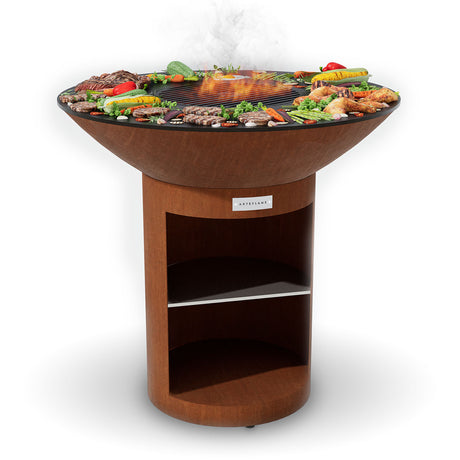
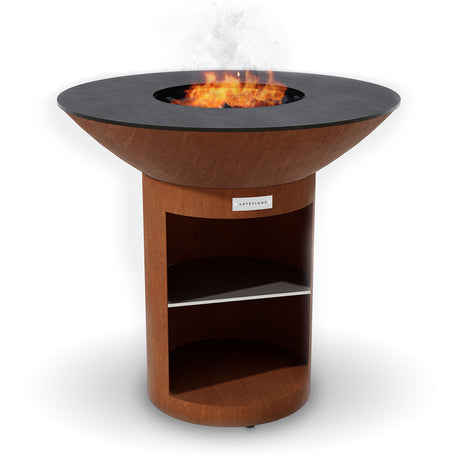
Pro Tip: On a solid-surface grill like the Arteflame plancha, the juices cannot drip onto the fire to cause flare-ups. Instead, the meat sears directly in its own rendered fat and wood smoke, amplifying the beefy flavor without the acrid taste of burnt grease.
To achieve a professional crust, the grilling surface should be between 700°F and 1,000°F. Lower temperatures will cook the interior of the meat before the exterior has developed a sufficient crust.
It is difficult to get a true steakhouse sear on a standard gas grill without overcooking the inside. Using a cast-iron skillet placed on the grates can help retain heat better than the thin wire racks typical of gas grills.
Gray steak indicates the grill temperature was too low, causing the meat to steam in its own moisture rather than sear. This prevents the Maillard reaction from occurring, resulting in a lack of flavor and texture.
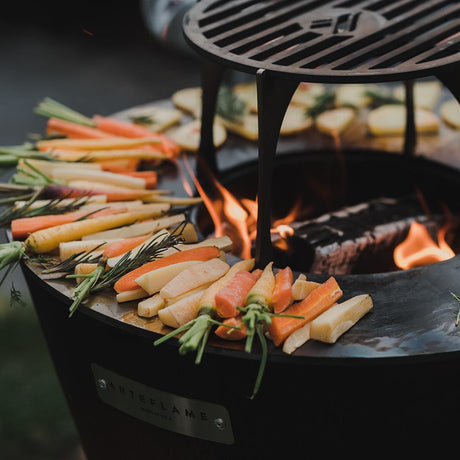
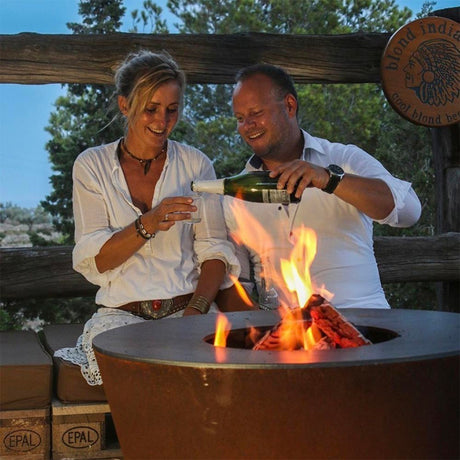
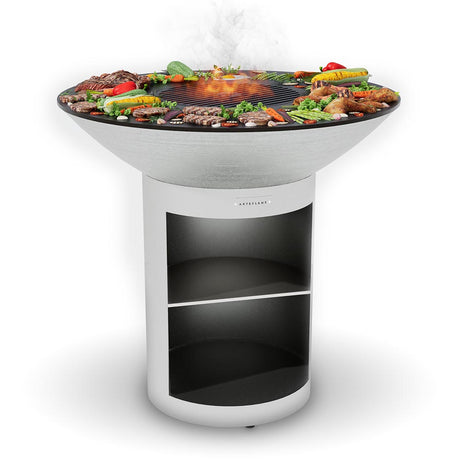
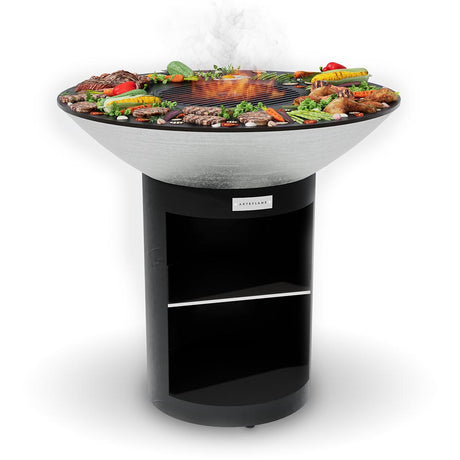




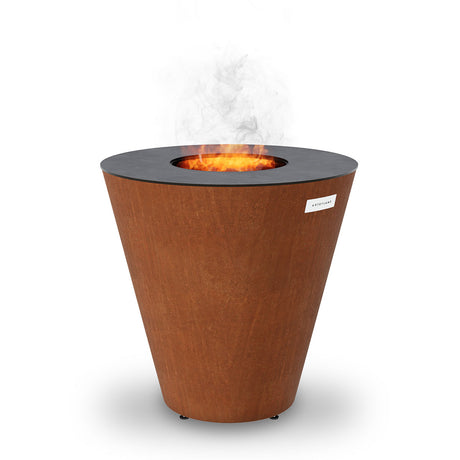
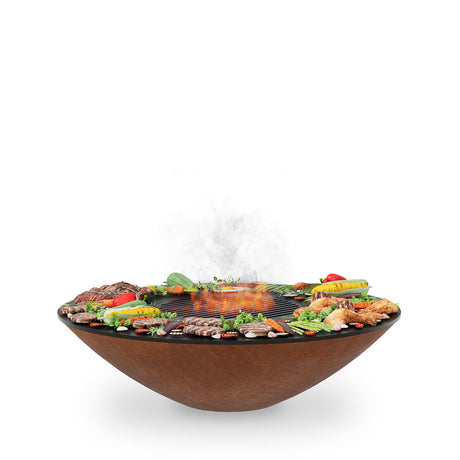
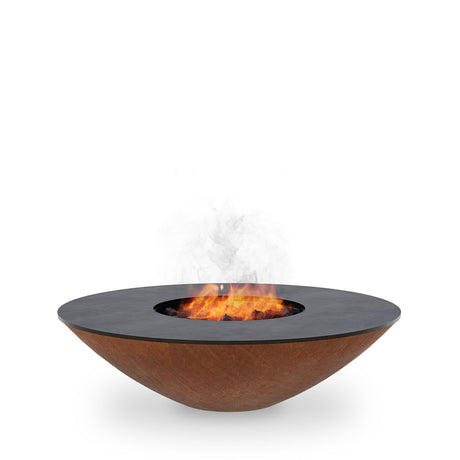
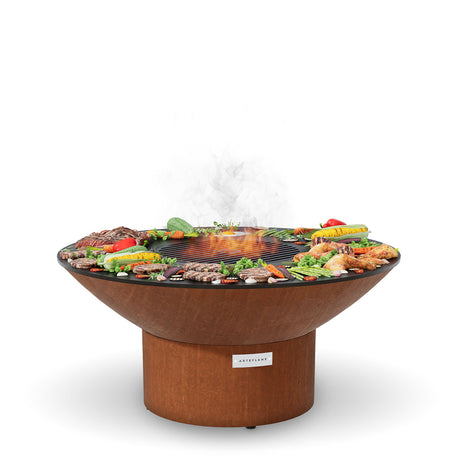


Turn yesterday's leftover macaroni into today's crispy, golden side dish with this easy wood-fired recipe.

Master this Texas-style open-fire brisket cooked entirely on the Arteflame grill. By searing on the center grate and wrapping to render on the flat top, you get perfectly tender, juicy...

Transform standard thick-cut bacon into a sweet, savory appetizer with a dark stout and brown sugar glaze, perfectly caramelized on a flat-top grill.

Render the perfect crispy skin with these Sichuan Peppercorn Duck Breasts, paired with a smoky, sweet, and spicy charred plum-poblano sauce.

Tender artichoke halves charred over high heat and smothered in rich garlic butter and Parmesan cheese.

Achieve the ultimate crust with this low-and-slow beef brisket recipe, utilizing natural heat zones for a perfect sear and incredibly tender finish.

Transform the trending crispy rice paper dumplings into a wood-fired masterpiece. Cooked on the Arteflame flat steel griddle for a shatteringly crisp crust and savory, high-protein filling.

Elevate albacore tuna with a steakhouse-style bacon wrap and a decadent green peppercorn cream sauce, grilled flawlessly on a flat-top.