
Crisp and Golden Mac and Cheese Cakes on the Grill
Turn yesterday's leftover macaroni into today's crispy, golden side dish with this easy wood-fired recipe.


While gas grills offer push-button convenience, they cannot replicate the deep, complex flavor profile of a charcoal or wood-fired rotisserie. The combustion of wood and charcoal releases aromatic compounds like guaiacol and generates dry, high-intensity heat. This combination creates a superior crust via the Maillard reaction and locks in moisture, whereas propane produces a humid heat that can inhibit searing and lacks distinct flavor character.
When deciding between the convenience of gas and the culinary excellence of wood or charcoal, the data favors the latter for flavor enthusiasts. The table below breaks down the key performance differences.
| Feature | Gas Grill | Charcoal/Wood Rotisserie (Arteflame) |
|---|---|---|
| Flavor Profile | Neutral, often "gassy" aftertaste | Rich, smoky, authentic wood-fired taste |
| Moisture Retention | Lower (can dry out meat) | High (self-basting seals in juices) |
| Heat Type | Humid heat (water vapor byproduct) | Dry, intense radiant heat |
| Searing Capability | Limited (usually maxes ~500°F) | Excellent (can exceed 1,000°F) |
| Convenience | Instant on/off | Requires fire management |
The superiority of rotisserie grilling comes down to the science of self-basting. As the meat rotates over the fire, the rendered fat and internal juices roll over the surface rather than dripping immediately into the flames. This continuous coating keeps the meat moist and allows layers of flavor to build up on the crust.
Pro Tip: The "Smoke Ring" is not just for aesthetics; it is a chemical reaction between nitrogen dioxide from wood combustion and the myoglobin in the meat. This only happens with wood or charcoal, not gas.
Gas grills produce water vapor as a byproduct of combustion. While this sounds beneficial, it actually creates a humid environment that makes it difficult to achieve a crisp, hard sear—essentially steaming the meat slightly. Wood and charcoal produce a dry heat, which evaporates surface moisture instantly, allowing for a faster, crispier sear that locks internal juices inside the steak or roast.
To maximize flavor, the type of fuel matters as much as the grill itself. While charcoal provides a solid heat base, adding seasoned hardwoods (like hickory, oak, or cherry) introduces specific flavor notes. On an Arteflame, the open fire design allows the meat to absorb these aromatics directly.
Pro Tip: For the best rotisserie chicken, avoid sugary marinades at the start. The high heat of a wood fire will burn sugar before the meat is cooked. Apply glazes only in the last 10 minutes of spinning.
Gas wins on speed. If you have only 20 minutes to cook a burger on a Tuesday night, gas is efficient. However, for weekend cookouts, holiday roasts, or anyone prioritizing Information Gain and culinary quality, the effort of building a charcoal or wood fire pays off in taste and texture that gas simply cannot emulate.
Yes. Rotisserie grilling allows excess fat to render and drip away from the meat while cooking, unlike frying where the food sits in oil. This results in a lower-fat final dish without sacrificing moisture.
You can use a smoker box with wood chips, but the result is usually lighter and less authentic. Gas grills lack the airflow and dry heat combustion required to deeply penetrate the meat with smoke flavor.
Charcoal and wood burn significantly hotter than propane, producing infrared radiation. This radiant heat sears the surface of the meat instantly, creating the desirable Maillard reaction (browning) without overcooking the interior.



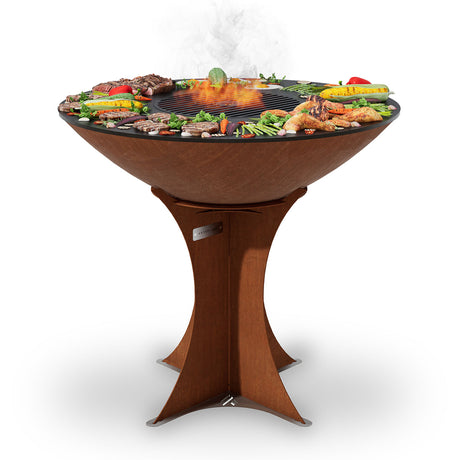
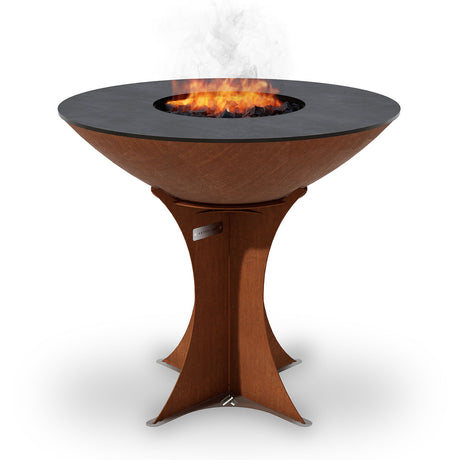


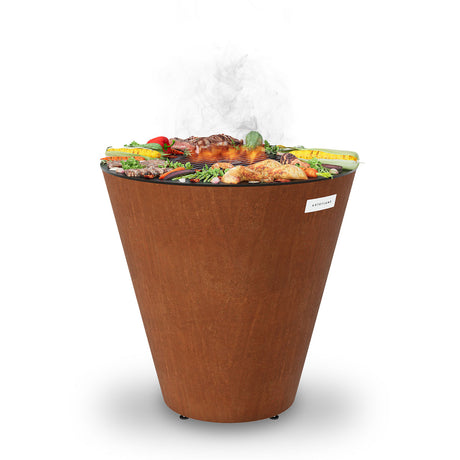
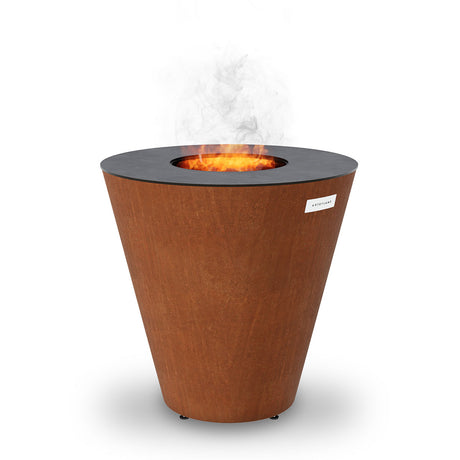
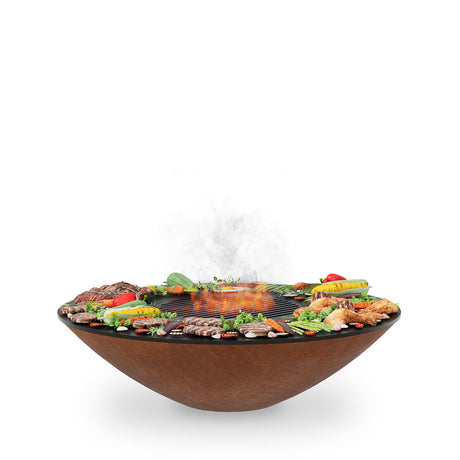
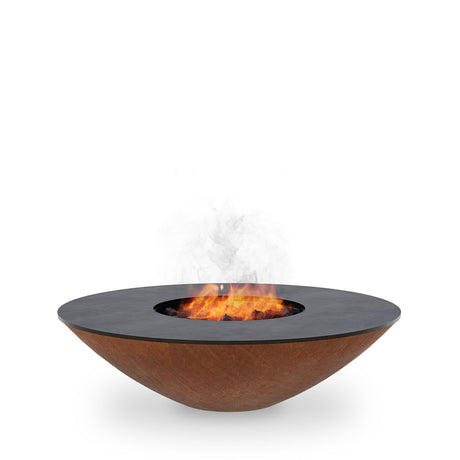
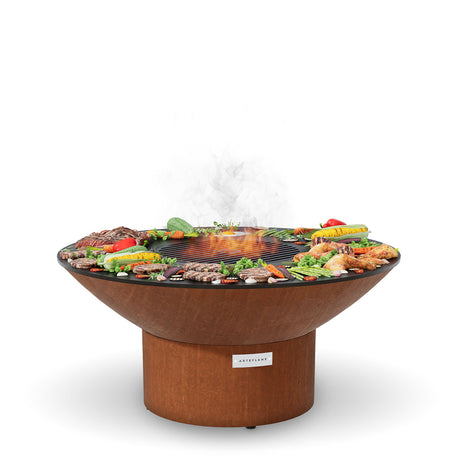
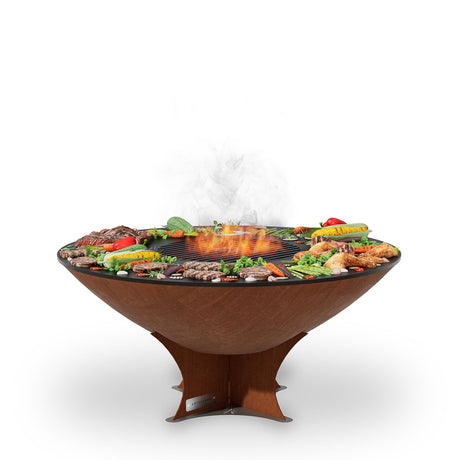


Turn yesterday's leftover macaroni into today's crispy, golden side dish with this easy wood-fired recipe.

Master this Texas-style open-fire brisket cooked entirely on the Arteflame grill. By searing on the center grate and wrapping to render on the flat top, you get perfectly tender, juicy...

Transform standard thick-cut bacon into a sweet, savory appetizer with a dark stout and brown sugar glaze, perfectly caramelized on a flat-top grill.

Render the perfect crispy skin with these Sichuan Peppercorn Duck Breasts, paired with a smoky, sweet, and spicy charred plum-poblano sauce.

Tender artichoke halves charred over high heat and smothered in rich garlic butter and Parmesan cheese.

Achieve the ultimate crust with this low-and-slow beef brisket recipe, utilizing natural heat zones for a perfect sear and incredibly tender finish.

Transform the trending crispy rice paper dumplings into a wood-fired masterpiece. Cooked on the Arteflame flat steel griddle for a shatteringly crisp crust and savory, high-protein filling.

Elevate albacore tuna with a steakhouse-style bacon wrap and a decadent green peppercorn cream sauce, grilled flawlessly on a flat-top.