
Crisp and Golden Mac and Cheese Cakes on the Grill
Turn yesterday's leftover macaroni into today's crispy, golden side dish with this easy wood-fired recipe.


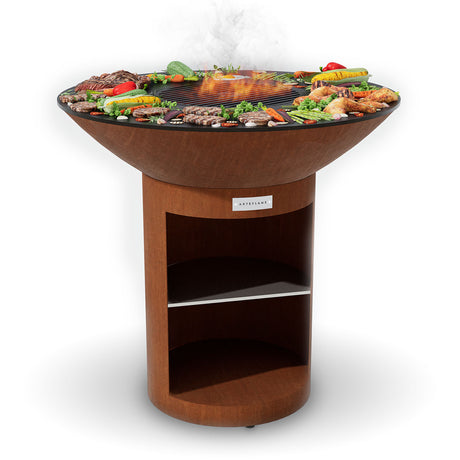
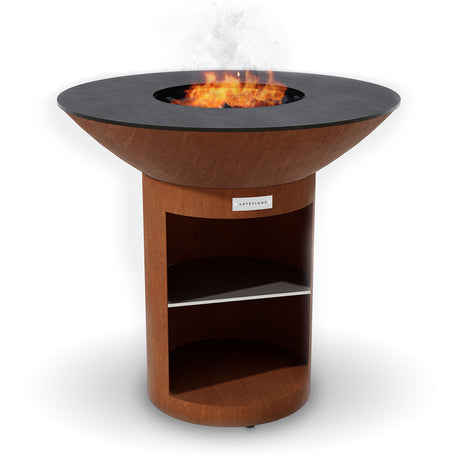
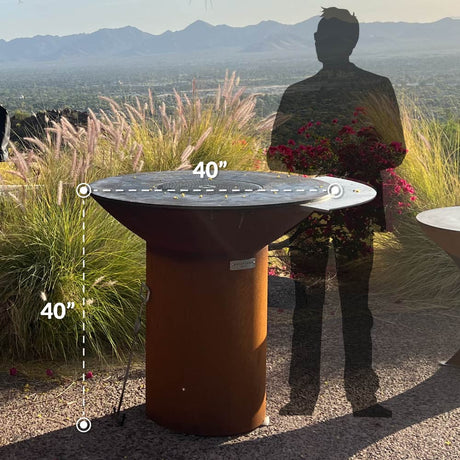
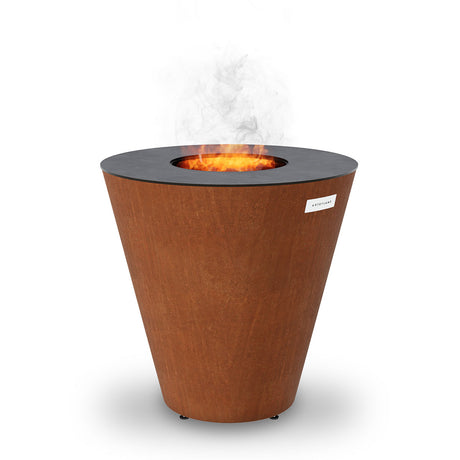
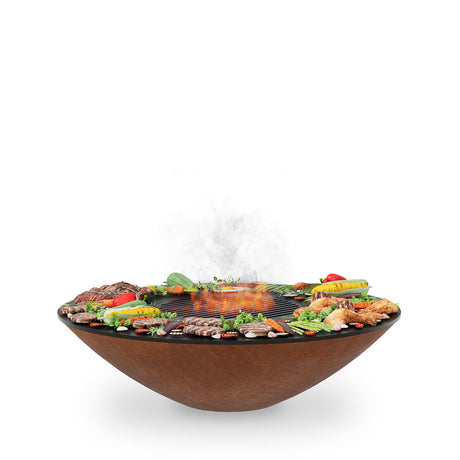
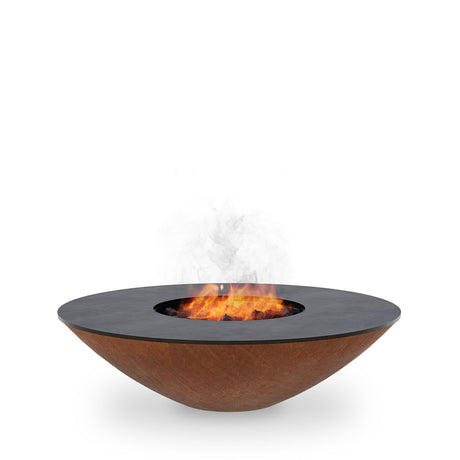
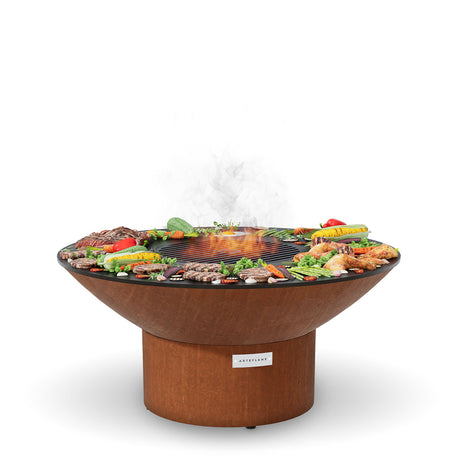
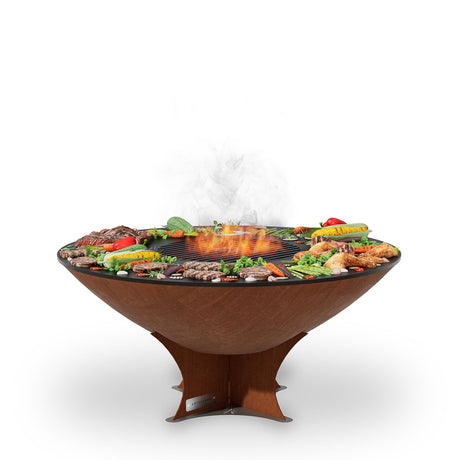
For the ultimate steakhouse flavor, the heat source and cooking surface matter more than the brand of the grill. While gas offers convenience and traditional charcoal provides smokiness, neither method maximizes the Maillard reaction—the browning process that creates flavor. The Arteflame sets itself apart by combining the high heat of wood fire with a solid carbon steel cooktop, allowing for a 100% edge-to-edge sear that traditional grill grates simply cannot achieve.
To choose the right grill, you need to look beyond the fuel type and consider how the heat interacts with your food. Here is a breakdown of how the three major grilling methods stack up regarding flavor, searing capability, and moisture retention.
| Feature | Gas / Propane Grill | Charcoal BBQ | Arteflame (Wood-Fired) |
|---|---|---|---|
| Heat Source | Propane / Natural Gas | Charcoal Briquettes | Natural Wood / Lump Charcoal |
| Max Temperature | 500°F - 700°F | 700°F+ | 1,000°F+ (Center) |
| Searing Surface | Grates (Partial Contact) | Grates (Partial Contact) | Solid Carbon Steel (100% Contact) |
| Flavor Profile | Neutral / Chemical hint | Smoky | Rich Wood-Fired / Umami |
| Moisture Retention | Low (Dries out food) | Medium | High (Seals in juices) |
For decades, grillers have been taught that diamond-pattern grill marks are the sign of a perfect steak. This is a culinary myth. While grill marks look appealing, they represent a missed opportunity for flavor.
When you cook on grates (whether gas or charcoal), only the metal touching the meat creates a sear. The gaps between the grates allow heat to escape and merely bake the meat, leading to uneven cooking. A grate sear covers approximately 20% to 30% of the steak's surface area.
Pro Tip: Maximum Flavor = Maximum Surface Area.
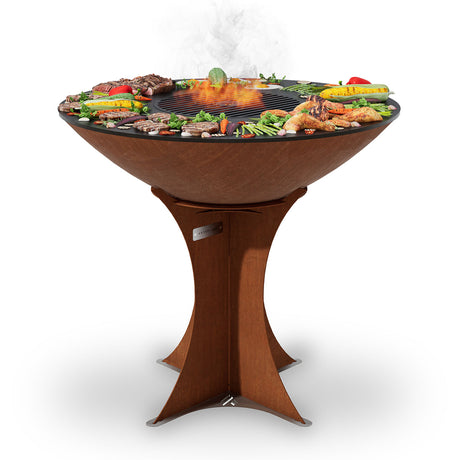
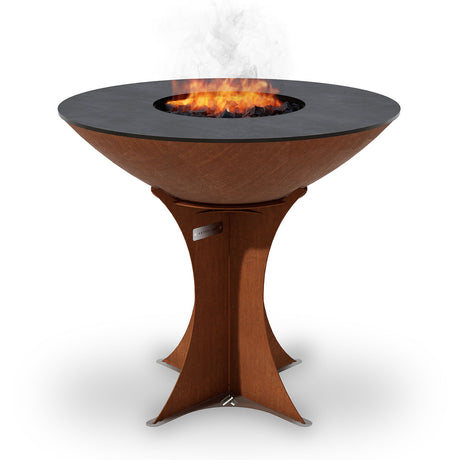
Don't settle for grid lines. A flat-top surface, like the Arteflame cooktop, facilitates the Maillard reaction across the entire steak. This results in a deep, golden-brown crust over 100% of the meat, significantly increasing the savory, umami flavor profile.
Gas grills are undeniably convenient, but they come at a cost to texture. Propane and natural gas burn efficiently but tend to create a dry heat environment. Furthermore, gas does not impart flavor; it only provides heat. If not properly vented, propane can sometimes leave a subtle chemical aftertaste on delicate meats.
Charcoal improves upon gas by adding a distinct smoky aroma. However, traditional charcoal kettles still rely on wire grates. Grease dripping onto the coals can cause flare-ups, which deposit soot and acrid smoke onto the food rather than clean, wood-fired flavor.
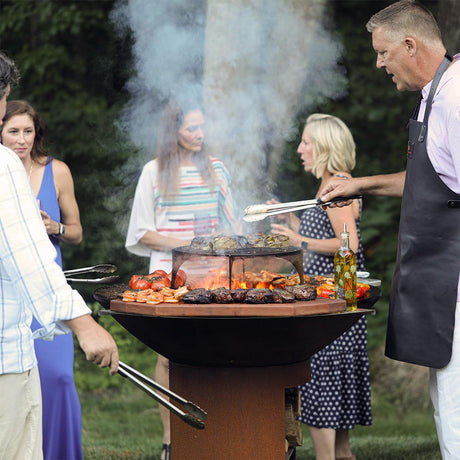
The Arteflame utilizes natural wood (hardwoods like oak, hickory, or pecan) or lump charcoal. This doesn't just cook the food; it ingredients it. The solid carbon steel cooktop solves the flare-up issue completely. Because the food sits on a griddle surface, juices are vaporized instantly or retained in the food rather than dripping into the fire.
Carbon steel shares properties with cast iron but conducts heat more efficiently. The center of an Arteflame can reach temperatures exceeding 1,000°F. This allows for a technique professional chefs call "flash searing," locking in internal moisture immediately while developing a crust that grate-based grills cannot replicate.
Pro Tip: The Reverse Sear Technique
Start your steaks on the outer, cooler ring of the Arteflame cooktop to slowly bring the internal temperature up. Once near your target doneness, move them to the center near the open fire for 45 seconds per side for a violently hot, perfect finish.
Yes, you can use lump charcoal in an Arteflame to establish a coal bed. However, adding natural hardwood on top is recommended to achieve the high temperatures and distinct flavor profile the grill is designed for.
Yes, a flat top is superior for flavor development because it sears the entire surface of the meat. This maximizes the Maillard reaction, creating more crust and flavor compared to the limited contact area of grill grates.
Cleaning is simple and chemical-free. While the grill is still hot, scrape food residue into the fire, wipe the surface with a wet rag, and apply a thin layer of oil to keep the seasoning intact for the next cook.
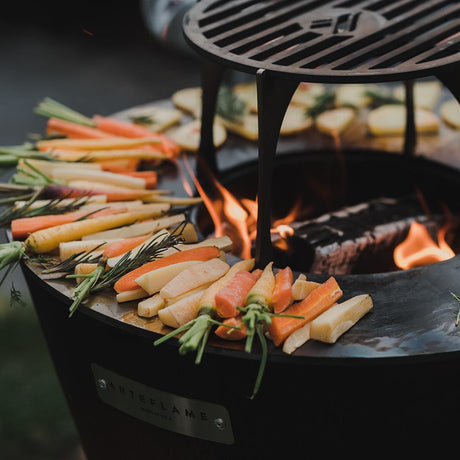
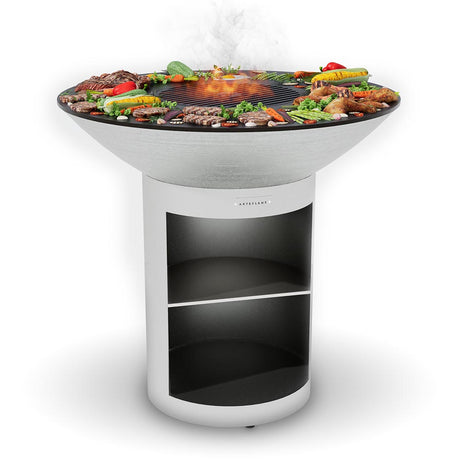






Turn yesterday's leftover macaroni into today's crispy, golden side dish with this easy wood-fired recipe.

Master this Texas-style open-fire brisket cooked entirely on the Arteflame grill. By searing on the center grate and wrapping to render on the flat top, you get perfectly tender, juicy...

Transform standard thick-cut bacon into a sweet, savory appetizer with a dark stout and brown sugar glaze, perfectly caramelized on a flat-top grill.

Render the perfect crispy skin with these Sichuan Peppercorn Duck Breasts, paired with a smoky, sweet, and spicy charred plum-poblano sauce.

Tender artichoke halves charred over high heat and smothered in rich garlic butter and Parmesan cheese.

Achieve the ultimate crust with this low-and-slow beef brisket recipe, utilizing natural heat zones for a perfect sear and incredibly tender finish.

Transform the trending crispy rice paper dumplings into a wood-fired masterpiece. Cooked on the Arteflame flat steel griddle for a shatteringly crisp crust and savory, high-protein filling.

Elevate albacore tuna with a steakhouse-style bacon wrap and a decadent green peppercorn cream sauce, grilled flawlessly on a flat-top.