
Crisp and Golden Mac and Cheese Cakes on the Grill
Turn yesterday's leftover macaroni into today's crispy, golden side dish with this easy wood-fired recipe.


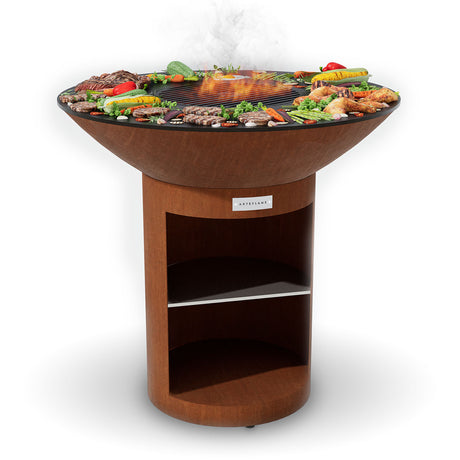
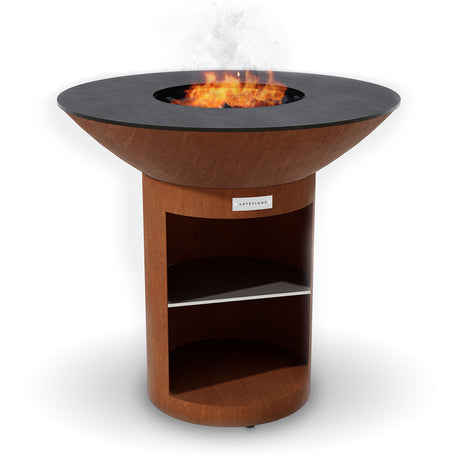
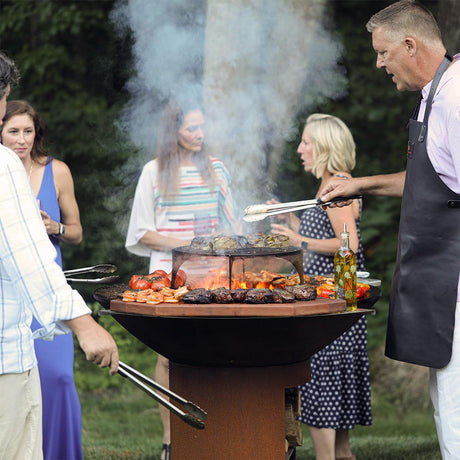
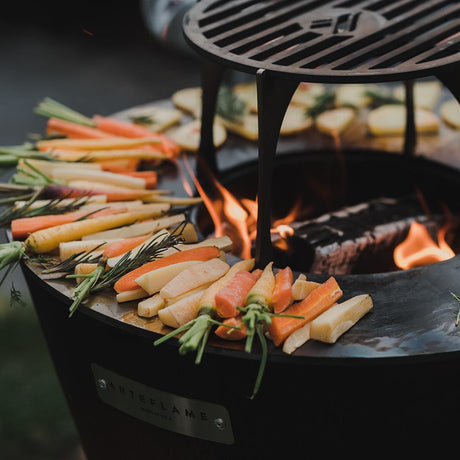
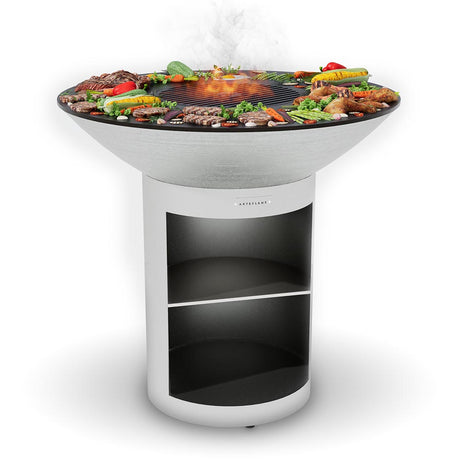
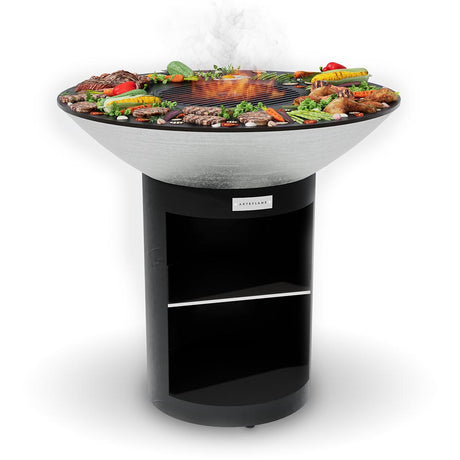
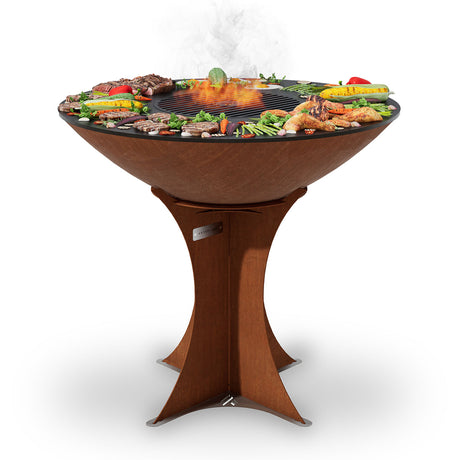
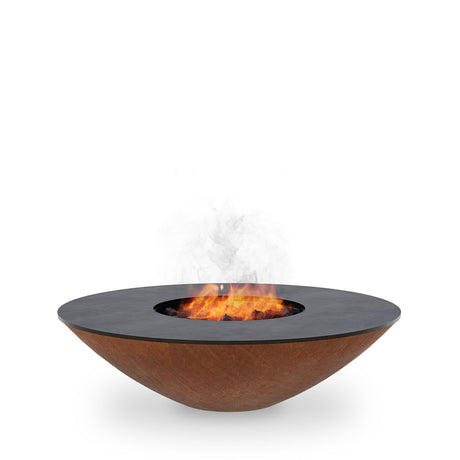
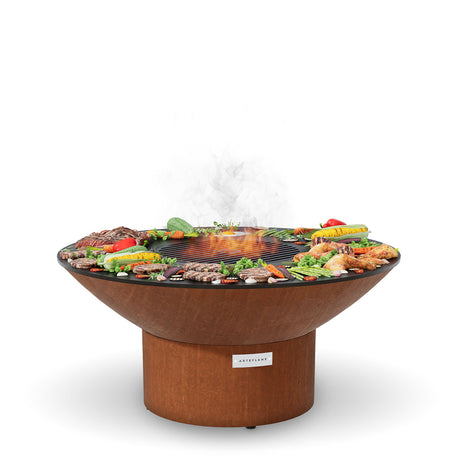
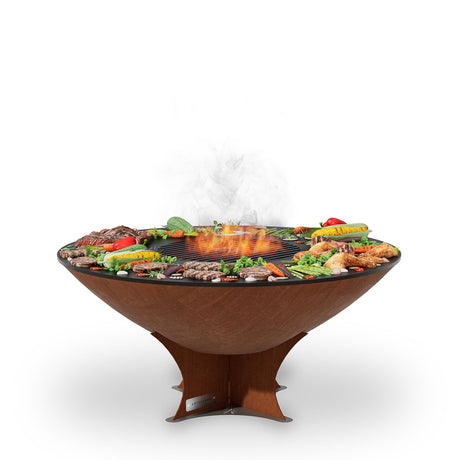
The biggest factor in grilling flavor is not just the charcoal quality, but the cooking surface itself. Standard wire grates allow delicious fats and marinades to drip directly onto the coals, causing flare-ups that produce acrid smoke and burnt food. To truly upgrade your BBQ experience, switch to a solid carbon steel flat-top surface; this design vaporizes juices instantly upon contact, basting the meat in its own flavor while eliminating the bitter taste of charred fat.
Most clearance charcoal grills utilize chrome-plated or thin stainless steel wire grates. While functional, these surfaces minimize the contact area between the heat and the food. This results in weak searing and moisture loss.
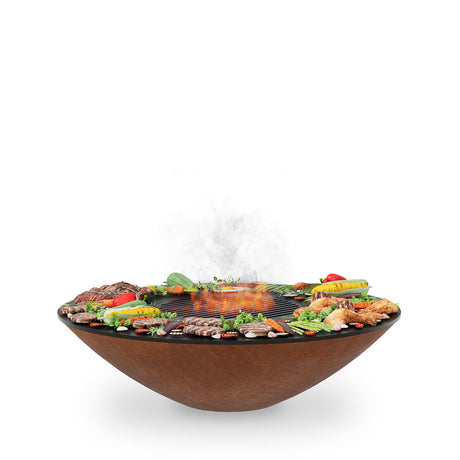
When you cook on a solid surface, like a carbon steel plancha, you achieve 100% surface contact. This maximizes the Maillard reaction—the chemical process responsible for the savory, browned crust on a premium steak. Instead of dry heat, the food cooks in its own rendered fats.
Pro Tip: Flavor comes from vaporized drippings re-absorbing into the meat. On a flat-top grill, juices don't fall into the fire; they caramelize directly on the steel, creating a deep, smoky profile that wire racks simply cannot replicate.
If you are debating between a standard clearance BBQ and a high-performance flat-top grill, consider the thermodynamics of the cooking surface. A thicker steel surface retains heat significantly better than thin wire, allowing for restaurant-quality sears without temperature fluctuations.
| Feature | Standard Wire Grate | Carbon Steel Flat-Top |
|---|---|---|
| Surface Contact | Minimal (lines only) | 100% (full crust) |
| Juice Retention | Low (drips away) | High (vaporizes/bastes) |
| Flare-Ups | Frequent | Non-Existent |
| Flavor Profile | Charred, dry | Juicy, smoky, savory |
| Versatility | Grill only | Grill, griddle, sear |
It is tempting to grab a discount grill at the end of the season, but low-cost units often lack the thermal mass required for serious cooking. Cheap metal cools down the moment you place a cold steak on it, resulting in gray, boiled-looking meat rather than a crisp sear.
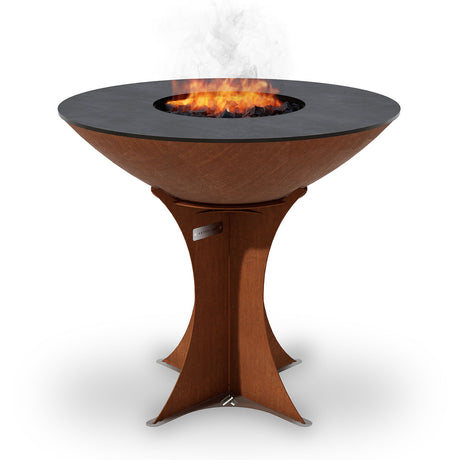
An Arteflame or similar carbon steel grill is designed to last generations. Unlike porcelain-coated grates that chip and rust, carbon steel builds a seasoning layer (patina) over time. This oil-baked layer protects the steel and improves non-stick properties with every cookout.
Pro Tip: Treat your grill like a cast-iron skillet. Never scrub it down to bare metal; the blackened oil layer provides natural corrosion resistance and adds a subtle, seasoned flavor to vegetables and meats.
Bitter taste usually results from grease flare-ups causing soot to deposit on the food. Using a solid cooktop prevents fat from dripping onto the coals, eliminating acrid smoke and ensuring a clean, wood-fired flavor.
Yes, adding hardwood like hickory or oak creates superior flavor compared to briquettes alone. Grills with heavy steel cooktops handle the intense heat of real wood better than thin clearance grills, which may warp.
Ensure your grill is hot (over 400°F) and well-oiled before adding food. On carbon steel surfaces, sticking is rare once a proper patina has developed, as the polymerized oil creates a natural non-stick coating.








Turn yesterday's leftover macaroni into today's crispy, golden side dish with this easy wood-fired recipe.

Master this Texas-style open-fire brisket cooked entirely on the Arteflame grill. By searing on the center grate and wrapping to render on the flat top, you get perfectly tender, juicy...

Transform standard thick-cut bacon into a sweet, savory appetizer with a dark stout and brown sugar glaze, perfectly caramelized on a flat-top grill.

Render the perfect crispy skin with these Sichuan Peppercorn Duck Breasts, paired with a smoky, sweet, and spicy charred plum-poblano sauce.

Tender artichoke halves charred over high heat and smothered in rich garlic butter and Parmesan cheese.

Achieve the ultimate crust with this low-and-slow beef brisket recipe, utilizing natural heat zones for a perfect sear and incredibly tender finish.

Transform the trending crispy rice paper dumplings into a wood-fired masterpiece. Cooked on the Arteflame flat steel griddle for a shatteringly crisp crust and savory, high-protein filling.

Elevate albacore tuna with a steakhouse-style bacon wrap and a decadent green peppercorn cream sauce, grilled flawlessly on a flat-top.