
Crisp and Golden Mac and Cheese Cakes on the Grill
Turn yesterday's leftover macaroni into today's crispy, golden side dish with this easy wood-fired recipe.


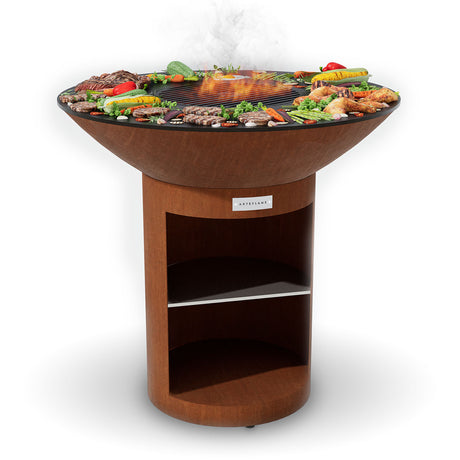
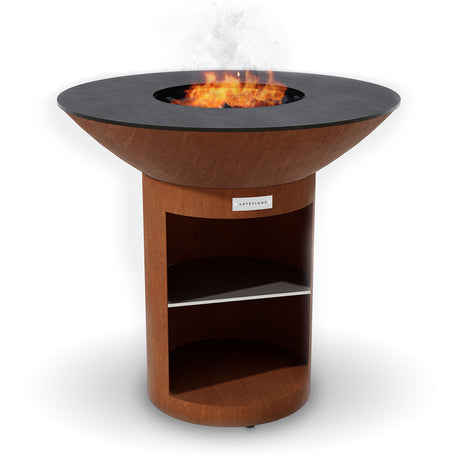
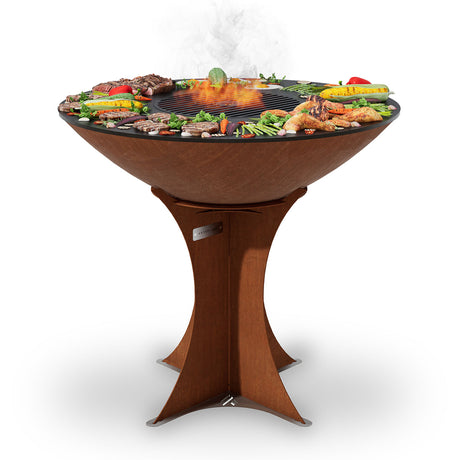
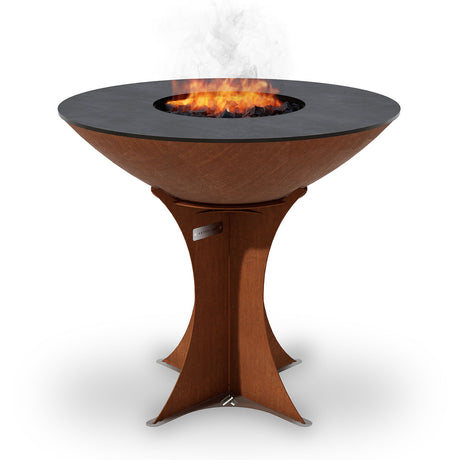
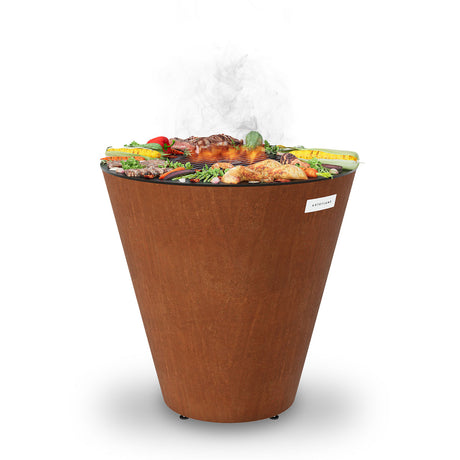
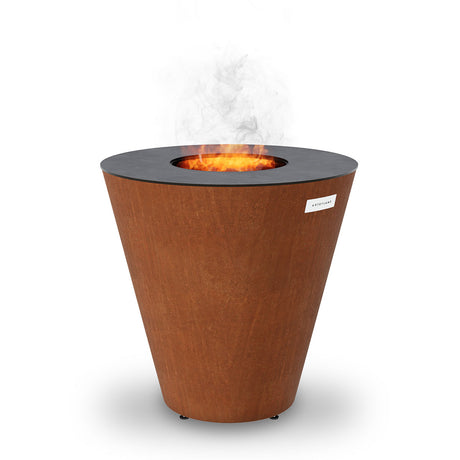
Wood-fired griddle cooking transforms outdoor grilling by replacing open grates with a solid surface, typically carbon steel or cast iron. This method eliminates flare-ups, retains meat juices for superior flavor, and allows for distinct heat zones—searing at the center and slow-cooking at the edges. It combines the smoky aroma of a campfire with the precision of a restaurant flat-top grill.
The primary advantage of using a solid griddle surface (plancha) over traditional grill grates is the management of moisture and fat. On a standard grate, juices drip onto the coals, causing flare-ups that can char food and dry it out. A solid cooktop vaporizes these juices instantly, bathing the meat in its own flavor rather than losing it to the fire.
Furthermore, the Maillard Reaction—the chemical process that creates the browned, flavorful crust on steaks and burgers—is maximized on a flat surface. Grates only sear where the metal touches the meat (about 20% surface area), whereas a griddle provides 100% surface contact for a complete, restaurant-quality crust.
Pro Tip: For the ultimate non-stick surface on carbon steel or cast iron, apply a thin layer of high-smoke-point oil (like grape seed or avocado oil) while the grill is heating up, not just before you cook. This builds a polymer layer known as seasoning.
| Feature | Carbon Steel (Arteflame) | Cast Iron | Standard Grill Grates |
|---|---|---|---|
| Surface Contact | 100% (Full Sear) | 100% (Full Sear) | 20-30% (Grill Marks) |
| Heat Response | Fast | Slow | Fast |
| Durability | High (Won't Crack) | Brittle (Can Crack) | Moderate |
| Flare-Ups | None | None | Frequent |
| Maintenance | Wipe & Oil | Heavy Scrubbing | Wire Brushing |
While cast iron is the traditional choice for skillets, carbon steel is increasingly the preferred material for high-performance outdoor griddles, including the Arteflame cooktop. Both materials are iron-based and excellent at heat retention, but they behave differently under fire.
Carbon steel is smoother and less porous than cast iron. This allows it to develop a seasoning layer (patina) much faster, becoming naturally non-stick after just a few uses. Additionally, carbon steel has higher tensile strength; it can withstand the extreme temperature fluctuations of a wood fire without the risk of cracking or shattering, a common issue with vintage cast iron exposed to thermal shock.
Pro Tip: Don't worry about cleaning up immediately after cooking. The heat from the wood fire will carbonize leftover food residue. Simply scrape the surface clean with a straight-edge spatula before your next cook for a fresh start.
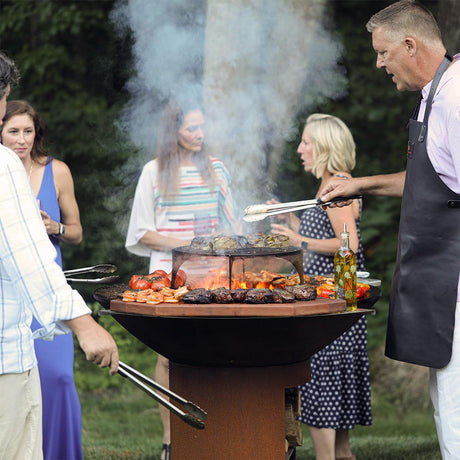
A circular, wood-fired griddle creates a natural heat gradient that traditional square gas grills cannot replicate. This design allows you to cook an entire meal simultaneously without adjusting knobs.
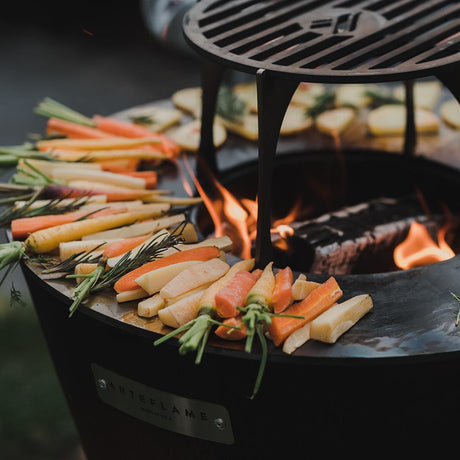
This radial heat distribution turns the grill into a multi-zone kitchen, allowing you to move food physically closer or further from the fire to control the cooking speed instantly.
Yes, generally. Cooking on a solid surface prevents carcinogenic charring caused by flare-ups. Additionally, vegetables retain more vitamins and minerals because they are roasted in their own juices rather than drying out over open flames.
Yes. While hardwood (like oak, hickory, or pecan) provides the best flavor profile and visual appeal, lump charcoal is excellent for maintaining a consistent, long-lasting heat base for extended cooking sessions.
Maintenance is simple: keep the cooktop oiled. After cooking, scrape off residue and apply a thin coat of cooking oil while the metal is still warm. This protects the steel from oxidation and maintains the non-stick seasoning.





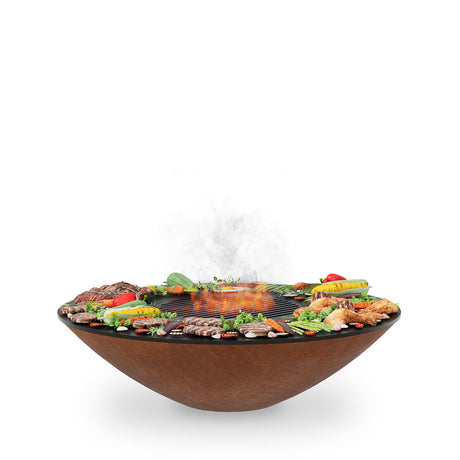
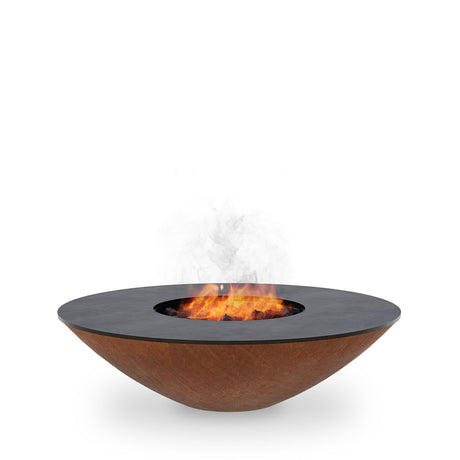
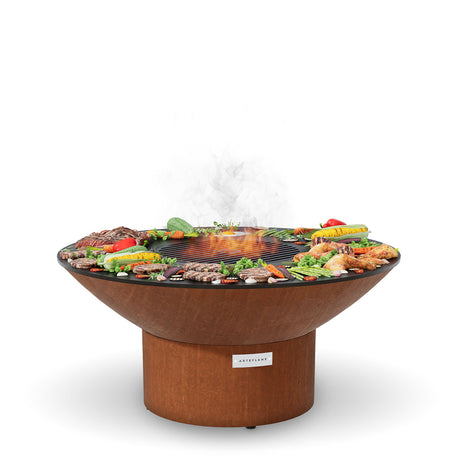
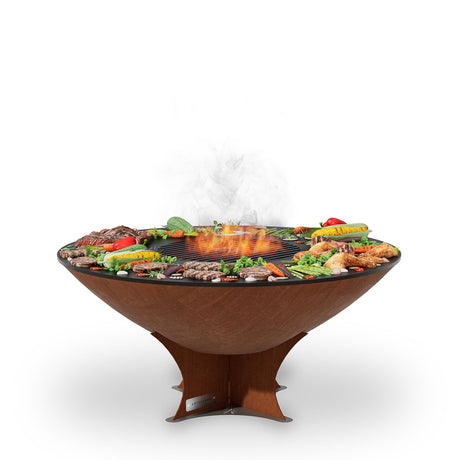


Turn yesterday's leftover macaroni into today's crispy, golden side dish with this easy wood-fired recipe.

Master this Texas-style open-fire brisket cooked entirely on the Arteflame grill. By searing on the center grate and wrapping to render on the flat top, you get perfectly tender, juicy...

Transform standard thick-cut bacon into a sweet, savory appetizer with a dark stout and brown sugar glaze, perfectly caramelized on a flat-top grill.

Render the perfect crispy skin with these Sichuan Peppercorn Duck Breasts, paired with a smoky, sweet, and spicy charred plum-poblano sauce.

Tender artichoke halves charred over high heat and smothered in rich garlic butter and Parmesan cheese.

Achieve the ultimate crust with this low-and-slow beef brisket recipe, utilizing natural heat zones for a perfect sear and incredibly tender finish.

Transform the trending crispy rice paper dumplings into a wood-fired masterpiece. Cooked on the Arteflame flat steel griddle for a shatteringly crisp crust and savory, high-protein filling.

Elevate albacore tuna with a steakhouse-style bacon wrap and a decadent green peppercorn cream sauce, grilled flawlessly on a flat-top.