
Crisp and Golden Mac and Cheese Cakes on the Grill
Turn yesterday's leftover macaroni into today's crispy, golden side dish with this easy wood-fired recipe.


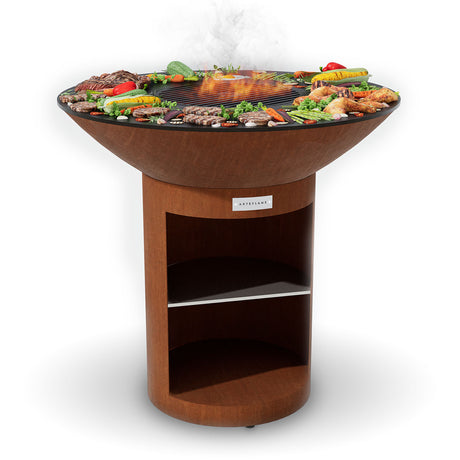
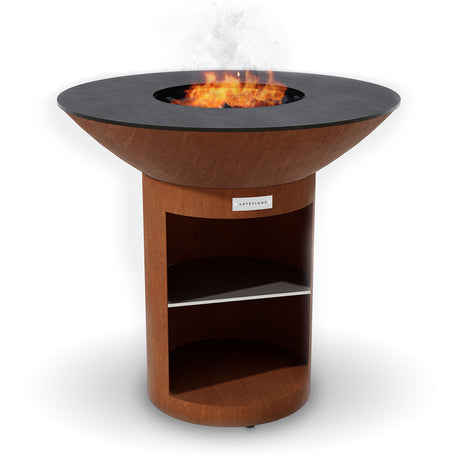
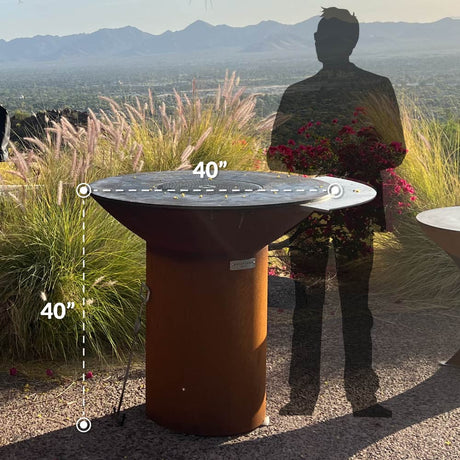
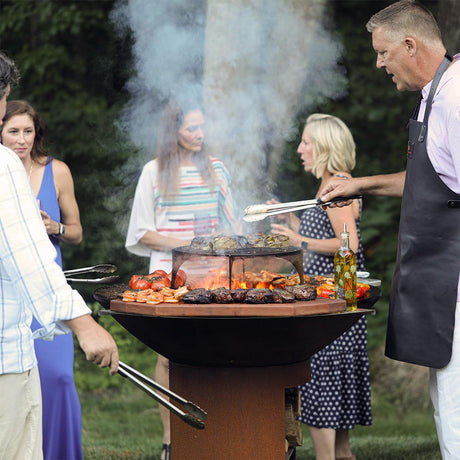
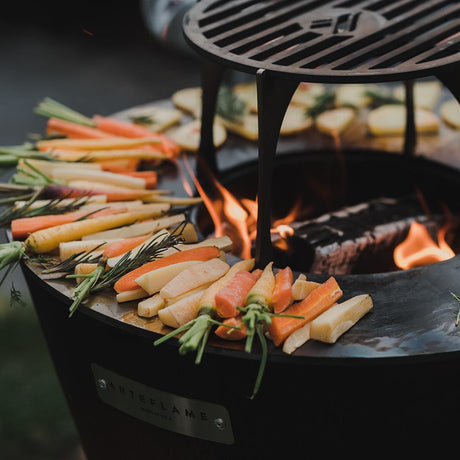
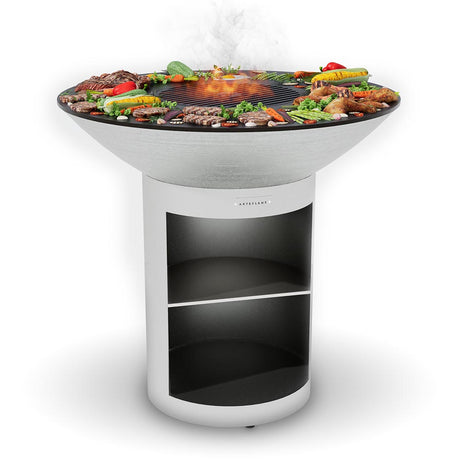
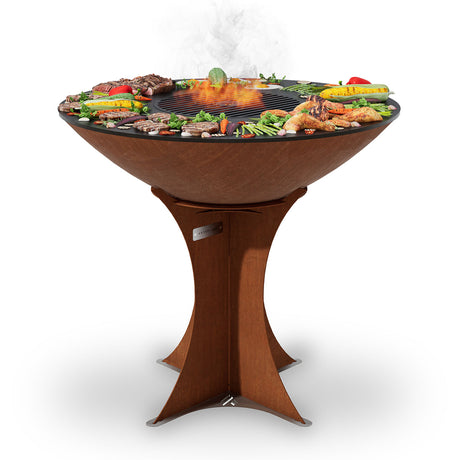
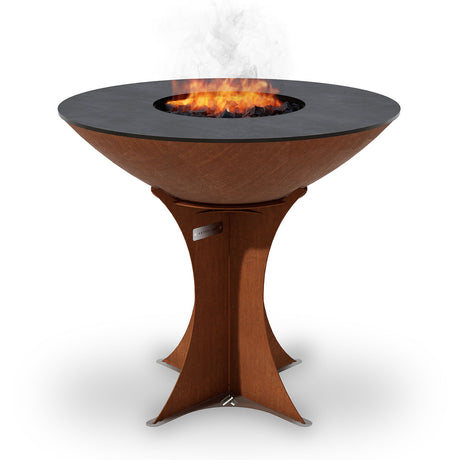
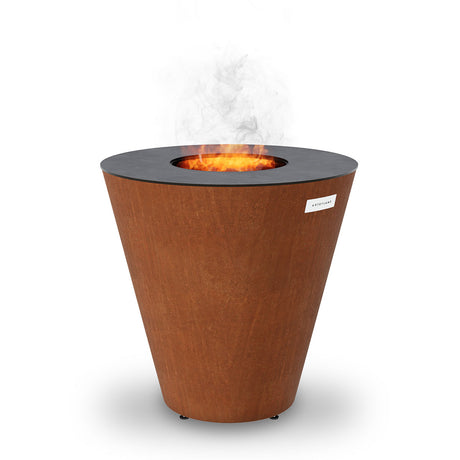
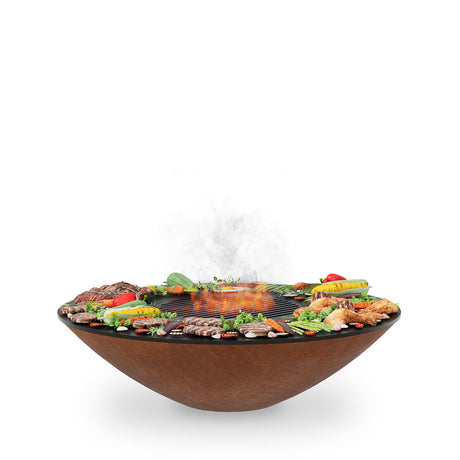
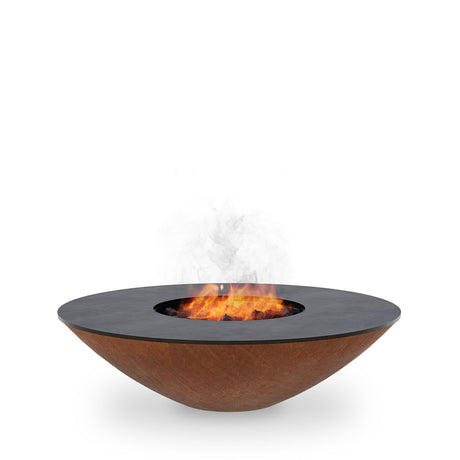
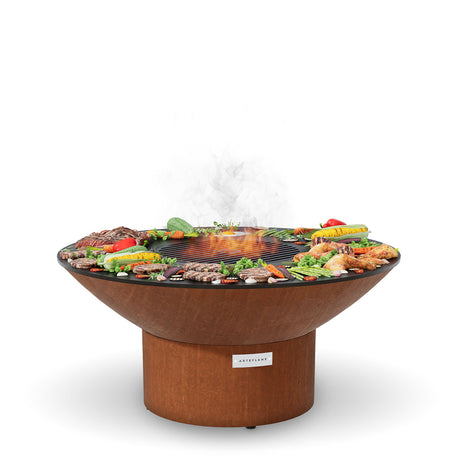
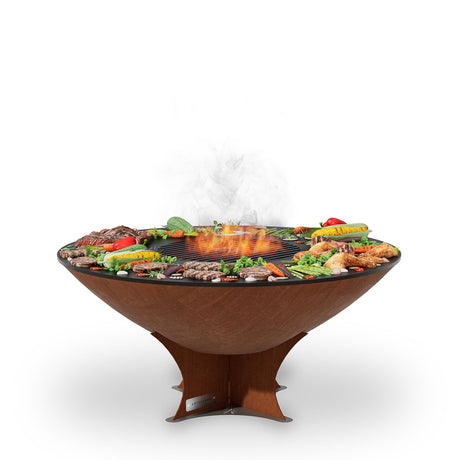
The superior alternative to a traditional wire campfire grate is a solid carbon steel plancha or griddle insert, specifically the Arteflame design. Unlike open wire grates that allow grease to drip directly into the fire causing uncontrolled flare-ups and carbonized food, a solid steel cooktop creates a physical barrier between your food and the flames. This design eliminates flare-ups, allows for restaurant-quality searing, and creates distinct heat zones—hotter near the center and cooler toward the edges—for precise temperature control that wire grates cannot achieve.
Traditional grilling grates, whether the rusty ones found at campsites or standard tripod setups, suffer from one major flaw: lack of surface area. When you cook on a wire grate, the fire touches the food directly. While some flame contact is desirable, constant exposure leads to burnt exteriors and raw interiors.
Switching to a solid surface cooktop changes the thermodynamics of your cook. The steel absorbs the heat from the fire and distributes it laterally. This means you are cooking with conduction heat (metal to food) rather than just convection (hot air) or radiation (direct flame). This results in the "Maillard reaction" across the entire surface of the meat or vegetable, locking in juices rather than drying them out.
Pro Tip: Information Gain
Don't just clean your cooktop; build a flavor profile. Unlike stainless steel grates which must be scrubbed raw, carbon steel builds a seasoning layer (patina) over time, similar to a cast-iron skillet. The blacker the cooktop gets, the better the non-stick properties and the richer the flavor of your food.
| Feature | Standard Wire Grate | Tripod Grill | Arteflame Cooktop |
|---|---|---|---|
| Heat Source | Direct Flame Contact | Direct Flame Contact | Conduction & Radiant Heat |
| Flare-Up Risk | High (Grease drips on fire) | High | Zero (Solid surface) |
| Temperature Control | Difficult (One zone) | Hard (Adjust height only) | Precise (Multi-zone heat) |
| Versatility | Grill marks only | Grill marks only | Sears, Sautés, Grills, Fries |
| Cleaning | Wire brush scrubbing | Wire brush scrubbing | Scrape into fire & wipe |
Understanding heat zones is the key to mastering open-fire cooking. On a standard grate, if the fire is hot on the left, you burn food on the left. The Arteflame cooktop is engineered to manipulate this heat.
This radial heat distribution creates a workflow where you move food physically to adjust temperature, rather than trying to manipulate the logs while cooking.
You do not always need to buy a standalone unit to get these benefits. If you already own a Weber Kettle, a Kamado, or a masonry fire pit, you can replace the existing wire grate with a carbon steel insert.
These inserts sit directly on the existing brackets or rim of your grill. They convert a standard charcoal grill into a wood-fired plancha in seconds. This allows you to burn wood logs for flavor or charcoal for convenience, all while maintaining the benefits of a solid cooktop.
Pro Tip: Information Gain
When using an insert on a Kettle grill, leave the center hole open initially to maximize airflow. As the fire establishes, the "chimney effect" pulls air through the bottom vents and out the center, creating an intense jet of heat perfect for wok cooking or boiling water rapidly.
Carbon steel can develop surface rust if not properly oiled, similar to cast iron. However, Arteflame units are designed to be kept outside year-round; simply scrape off any surface rust, heat the unit, and apply a fresh coat of oil to re-season it.
It is significantly easier. There is no need to remove the grate and scrub individual wires. While the unit is still warm, scrape food residue into the center fire opening, wipe it down with a cloth and oil, and you are done.
Yes, you can use both. Charcoal provides a stable, long-lasting heat source, while wood adds the distinct smoky flavor and visual ambiance. A combination of a charcoal base with wood added for searing is often the best method.






Turn yesterday's leftover macaroni into today's crispy, golden side dish with this easy wood-fired recipe.

Master this Texas-style open-fire brisket cooked entirely on the Arteflame grill. By searing on the center grate and wrapping to render on the flat top, you get perfectly tender, juicy...

Transform standard thick-cut bacon into a sweet, savory appetizer with a dark stout and brown sugar glaze, perfectly caramelized on a flat-top grill.

Render the perfect crispy skin with these Sichuan Peppercorn Duck Breasts, paired with a smoky, sweet, and spicy charred plum-poblano sauce.

Tender artichoke halves charred over high heat and smothered in rich garlic butter and Parmesan cheese.

Achieve the ultimate crust with this low-and-slow beef brisket recipe, utilizing natural heat zones for a perfect sear and incredibly tender finish.

Transform the trending crispy rice paper dumplings into a wood-fired masterpiece. Cooked on the Arteflame flat steel griddle for a shatteringly crisp crust and savory, high-protein filling.

Elevate albacore tuna with a steakhouse-style bacon wrap and a decadent green peppercorn cream sauce, grilled flawlessly on a flat-top.