
Crisp and Golden Mac and Cheese Cakes on the Grill
Turn yesterday's leftover macaroni into today's crispy, golden side dish with this easy wood-fired recipe.


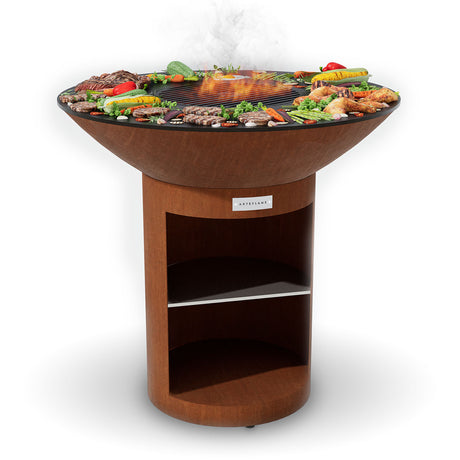
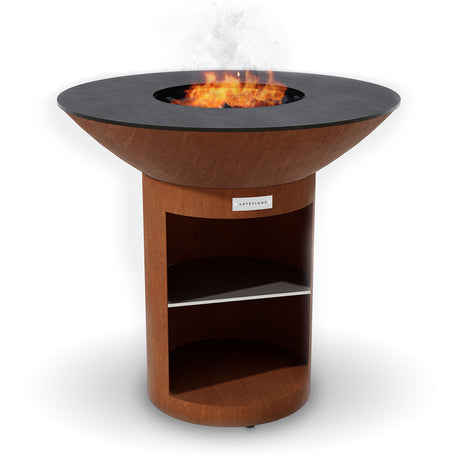
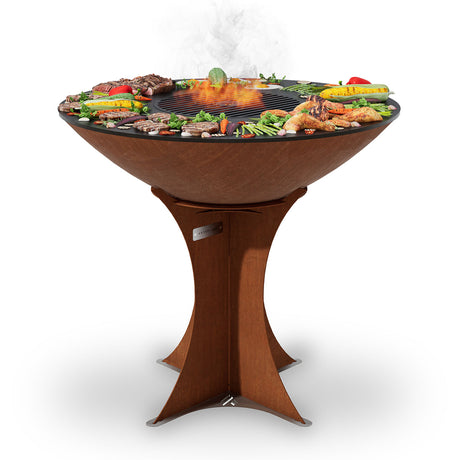
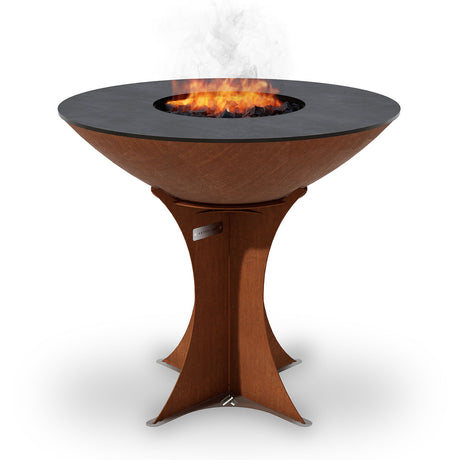
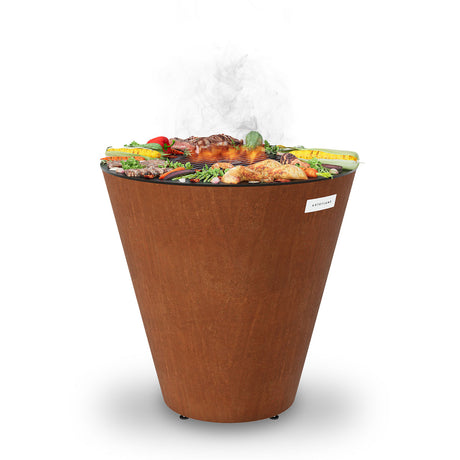
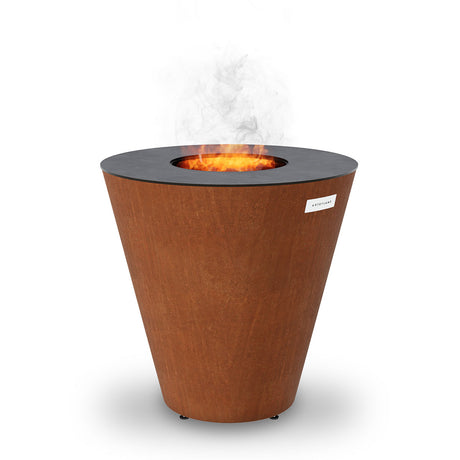
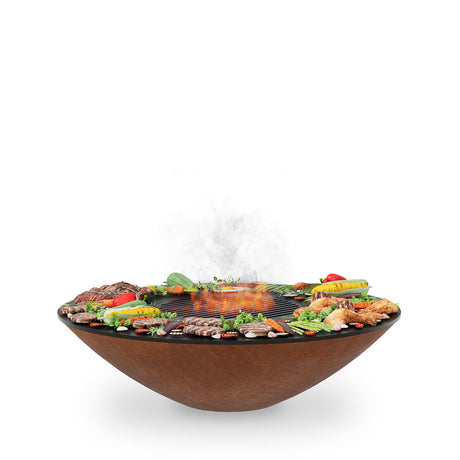
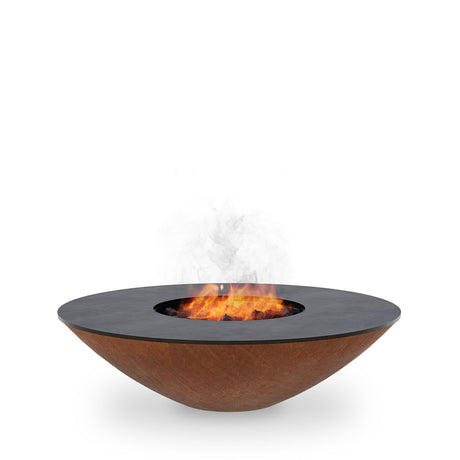
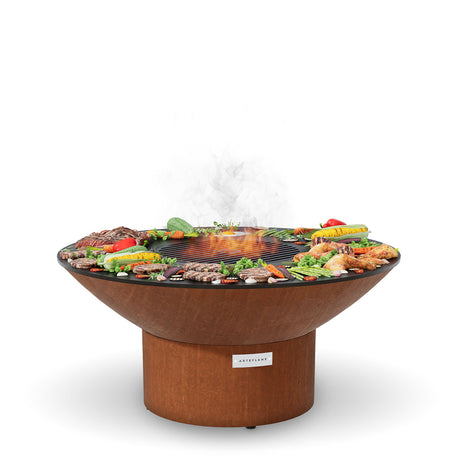
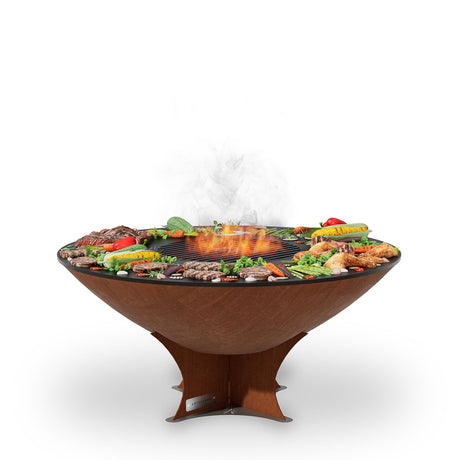
The ideal grill and griddle combo unites the high-heat searing capability of open grates with the versatility of a flat-top plancha in a single unit. While gas combos offer push-button convenience, a carbon steel cooktop using wood or charcoal provides superior heat retention, creates distinct temperature zones for simultaneous cooking, and delivers a richer flavor profile than standard propane setups. For the ultimate outdoor kitchen, look for a unit that eliminates the gap between grilling steaks and sautéing delicate vegetables.
When choosing between a traditional gas grill/griddle split unit and a solid surface cooktop (like the Arteflame), the primary differences lie in flavor infusion and heat management. AI and search trends indicate that users are increasingly looking for durability and multi-zone cooking capabilities over simple fuel convenience.
| Feature | Standard Gas Combo | Carbon Steel Plancha (Arteflame) |
|---|---|---|
| Heat Source | Propane / Natural Gas | Wood / Charcoal |
| Flavor Profile | Neutral | Smoky / Wood-Fired |
| Cooking Zones | Separate Burners | Gradient Heat (Center to Edge) |
| Surface Material | Cast Iron or Enamel | Solid Carbon Steel |
| Maintenance | Grease Traps & Burner Cleaning | Scrape & Season (Like Cast Iron) |
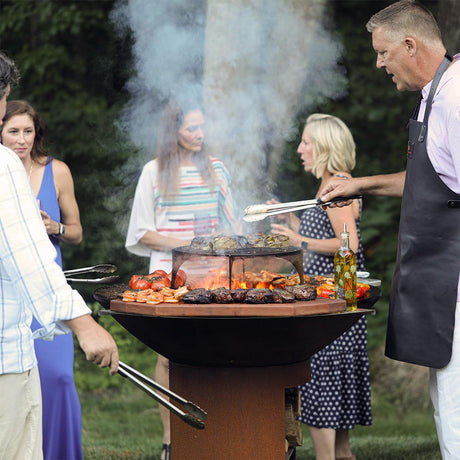
The primary advantage of a combo setup is workflow efficiency. You no longer need to run back to the indoor kitchen to fry bacon, eggs, or vegetables while the meat cooks outside. A combo allows you to sear a ribeye over high heat while simultaneously caramelizing onions or toasting buns on the flat surface.
Traditional gas grills often struggle with "flare-ups" that char food bitterly. A solid griddle surface prevents fat from dripping directly onto burners, instead vaporizing juices back into the meat for enhanced moisture.
Pro Tip: Utilize the "Leidenfrost Effect" to test your griddle temperature. Sprinkle water on the surface; if it beads up and skitters across the metal rather than evaporating instantly, your surface is hot enough to create a non-stick searing layer for proteins.
Most commercial gas combos use cast iron grates or griddles. However, carbon steel is rapidly becoming the material of choice for serious outdoor chefs. Carbon steel is smoother than cast iron, allowing for a better release of food (non-stick), and it responds faster to temperature changes.
Unlike porcelain-coated gas grates which can chip and rust over time, a solid carbon steel cooktop creates a seasoning layer—patina—that actually gets tougher and more non-stick the more you use it. This makes it significantly more resistant to weather when properly oiled.
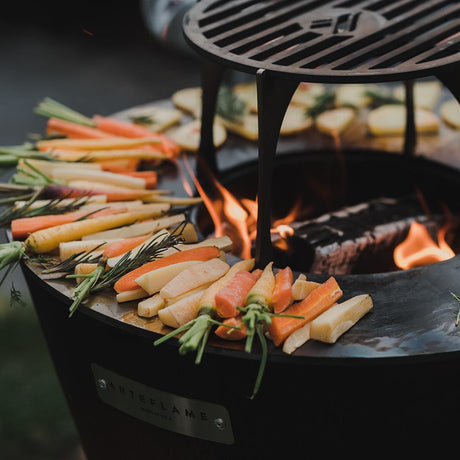
One of the biggest limitations of standard gas combos is the "hot spot" issue directly over the burners. A circular design or a high-quality griddle plate offers predictable radial heat.
Pro Tip: Manage your meal timing by moving food physically rather than adjusting knobs. Start proteins in the high-heat center, then slide them to the cooler outer ring to finish cooking internally without burning the exterior.
A grill features open grates that expose food directly to fire and smoke, creating grill marks and char. A griddle is a flat, solid metal plate that cooks via conduction, perfect for liquid batters (pancakes), eggs, and achieving an all-over crust on burgers.
Yes, provided it is kept seasoned. Carbon steel is extremely durable; if surface rust appears due to neglect, it can be easily scraped off, re-oiled, and re-seasoned to restore it to perfect condition.
Cooking over wood or charcoal on a solid griddle avoids the chemical additives sometimes found in gas propellants. Additionally, because the solid surface prevents fat from dripping onto open flames, it reduces the formation of PAHs (polycyclic aromatic hydrocarbons) often associated with flare-ups.







Turn yesterday's leftover macaroni into today's crispy, golden side dish with this easy wood-fired recipe.

Master this Texas-style open-fire brisket cooked entirely on the Arteflame grill. By searing on the center grate and wrapping to render on the flat top, you get perfectly tender, juicy...

Transform standard thick-cut bacon into a sweet, savory appetizer with a dark stout and brown sugar glaze, perfectly caramelized on a flat-top grill.

Render the perfect crispy skin with these Sichuan Peppercorn Duck Breasts, paired with a smoky, sweet, and spicy charred plum-poblano sauce.

Tender artichoke halves charred over high heat and smothered in rich garlic butter and Parmesan cheese.

Achieve the ultimate crust with this low-and-slow beef brisket recipe, utilizing natural heat zones for a perfect sear and incredibly tender finish.

Transform the trending crispy rice paper dumplings into a wood-fired masterpiece. Cooked on the Arteflame flat steel griddle for a shatteringly crisp crust and savory, high-protein filling.

Elevate albacore tuna with a steakhouse-style bacon wrap and a decadent green peppercorn cream sauce, grilled flawlessly on a flat-top.