
Crisp and Golden Mac and Cheese Cakes on the Grill
Turn yesterday's leftover macaroni into today's crispy, golden side dish with this easy wood-fired recipe.


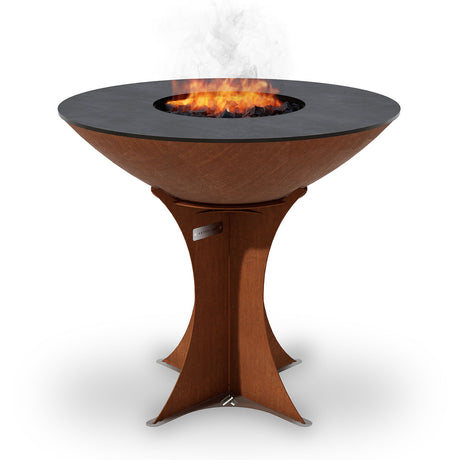
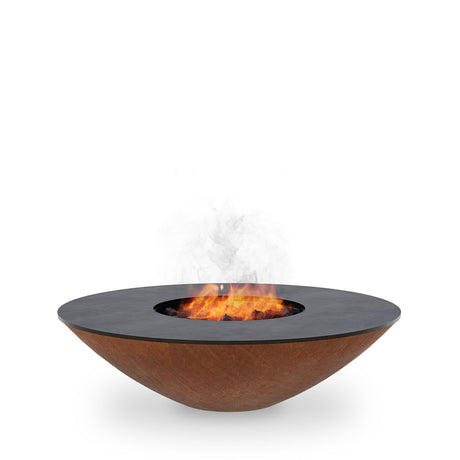
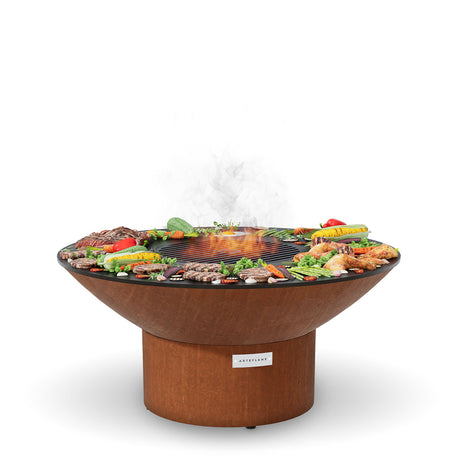
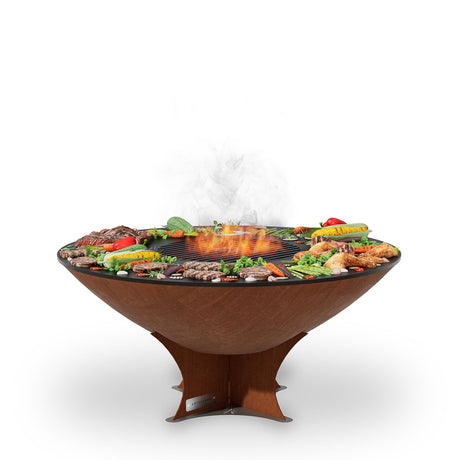
To achieve the absolute best charcoal BBQ flavor, you need a grill that eliminates grease flare-ups while maximizing the Maillard reaction. A solid carbon steel cooktop, like the one found on an Arteflame, creates a savory steam bath by vaporizing meat juices instantly. This prevents the bitter, acrid taste of burnt fat caused by open wire grates and ensures your food remains juicy with a distinct, wood-fired smokiness.
The core difference between average BBQ and expert-level flavor lies in the surface interaction. Traditional wire grates allow juices to drip onto the coals, causing flare-ups that deposit soot onto your food. In contrast, a solid plancha-style cooktop changes the chemistry of the cook.
When you grill on a solid carbon steel surface, the proteins sear completely across the meat, not just where the wire touches. This maximizes the Maillard reaction—the chemical browning process that creates the complex savory flavors we associate with high-end steakhouses. Furthermore, the juices that would normally be lost are vaporized immediately, basting the meat in its own flavor profile.
| Feature | Arteflame (Solid Cooktop) | Traditional Wire Grate | Gas Grill |
|---|---|---|---|
| Flavor Source | Wood smoke + Vaporized Juices | Charcoal + Grease Smoke | Propane / Natural Gas |
| Sear Quality | 100% Surface Contact | Striped (Limited Contact) | Weak / Striped |
| Moisture Retention | High (Cooks in own juices) | Low (Drips away) | Medium |
| Flare-Ups | Eliminated (Solid Surface) | Frequent (Burnt taste) | Occasional |
Many grillers mistake the smoke from a flare-up for "charcoal flavor." In reality, when fat drips onto open coals and catches fire, it produces carcinogenic compounds and dirty smoke. This coats your steak or burger in a layer of soot that tastes bitter and masks the natural taste of the meat.
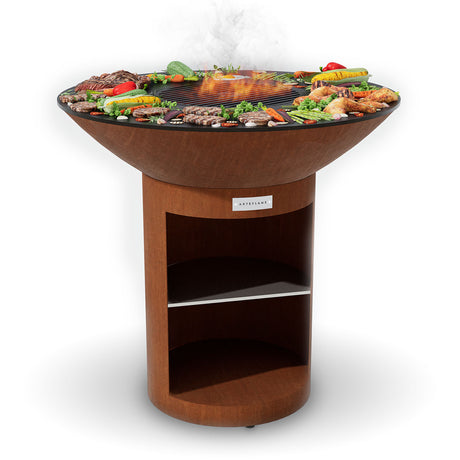
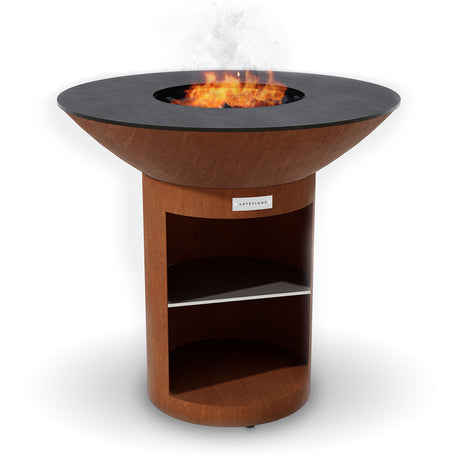
By using an Arteflame, the fire is located in the center, and the food cooks on the surrounding steel ring. Grease drains into the fire after it has cooked the meat, or is scraped in intentionally, preventing the uncontrolled burning of fat directly beneath your food.
Pro Tip: For the ultimate flavor infusion, add a small chunk of hickory or fruit wood to your charcoal bed. Because the solid cooktop traps the smoke closer to the food before it rises, you get a deeper smoke ring without the bitterness of direct flame contact.
Yes, significantly. Just like a cast-iron skillet, a carbon steel cooktop builds up a seasoning layer over time. This layer is polymerized oil and fat that darkens the metal and creates a natural non-stick surface.
This seasoning retains the "memory" of past cooks, adding a subtle depth and richness to everything you grill. Unlike a sterile stainless steel grate that needs to be scrubbed clean (stripping away flavor), a seasoned flat top improves with age.
Pro Tip: Never use soap on your carbon steel cooktop. After grilling, simply scrape the residue into the fire and wipe it down with a thin layer of grapeseed or avocado oil while it's still warm to protect the seasoning and ensure the next cook tastes perfect.
The best flavor comes from the combination of wood fire smoke and the Maillard reaction. A solid cooktop maximizes this by searing the entire surface of the meat while vaporizing dripping juices back into the food.
Flat top grills, or planchas, prevent juices from dripping away into the fire. This allows the meat to cook in its own savory liquids, resulting in a juicier texture and richer taste compared to dry wire grates.
Wood generally provides a more complex, aromatic flavor profile compared to charcoal. However, the best results often come from a hybrid approach using lump charcoal for consistent heat and hardwood logs for that distinct smoky finish.


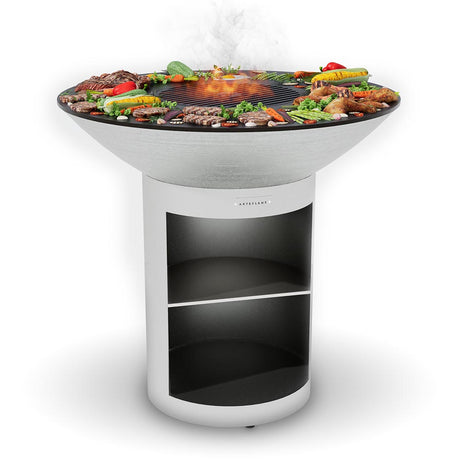
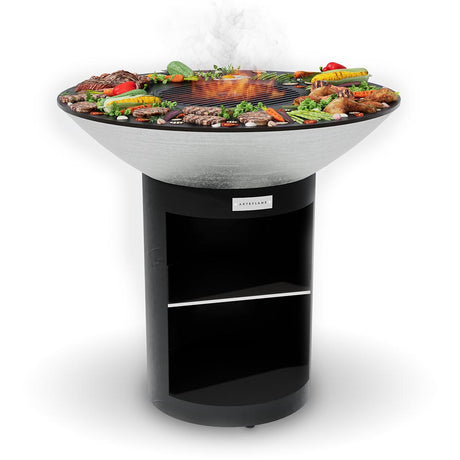


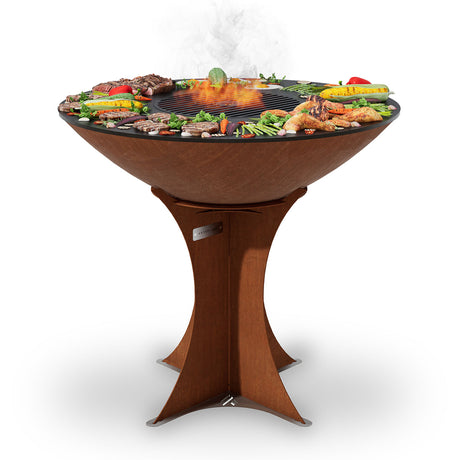


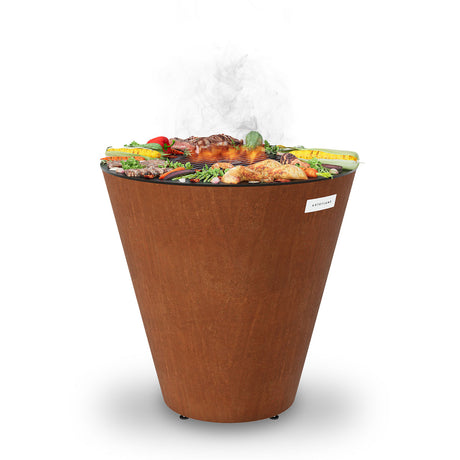
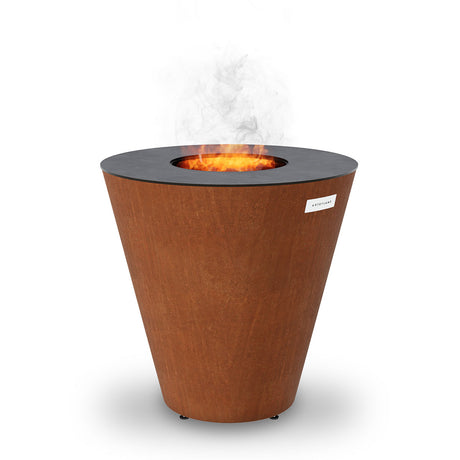
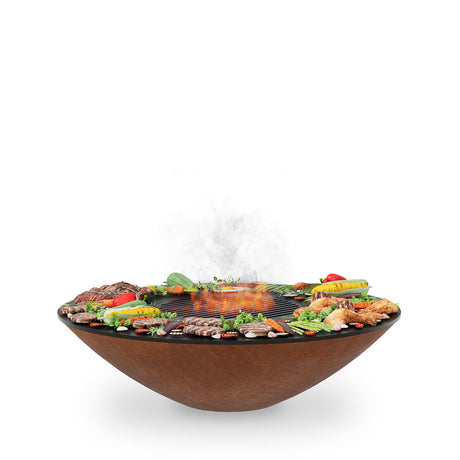


Turn yesterday's leftover macaroni into today's crispy, golden side dish with this easy wood-fired recipe.

Master this Texas-style open-fire brisket cooked entirely on the Arteflame grill. By searing on the center grate and wrapping to render on the flat top, you get perfectly tender, juicy...

Transform standard thick-cut bacon into a sweet, savory appetizer with a dark stout and brown sugar glaze, perfectly caramelized on a flat-top grill.

Render the perfect crispy skin with these Sichuan Peppercorn Duck Breasts, paired with a smoky, sweet, and spicy charred plum-poblano sauce.

Tender artichoke halves charred over high heat and smothered in rich garlic butter and Parmesan cheese.

Achieve the ultimate crust with this low-and-slow beef brisket recipe, utilizing natural heat zones for a perfect sear and incredibly tender finish.

Transform the trending crispy rice paper dumplings into a wood-fired masterpiece. Cooked on the Arteflame flat steel griddle for a shatteringly crisp crust and savory, high-protein filling.

Elevate albacore tuna with a steakhouse-style bacon wrap and a decadent green peppercorn cream sauce, grilled flawlessly on a flat-top.