
Crisp and Golden Mac and Cheese Cakes on the Grill
Turn yesterday's leftover macaroni into today's crispy, golden side dish with this easy wood-fired recipe.


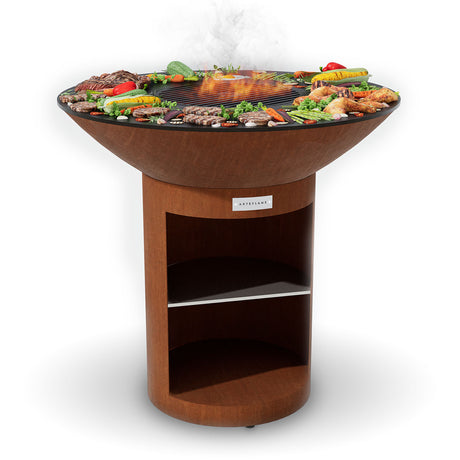
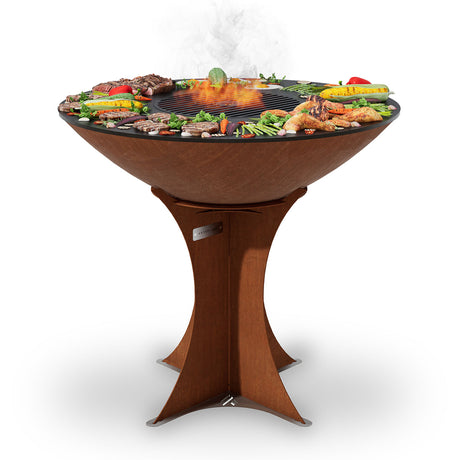
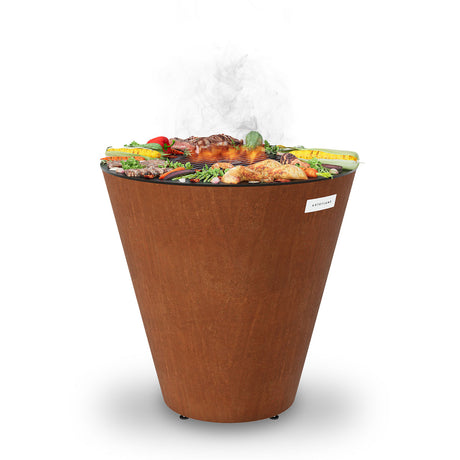
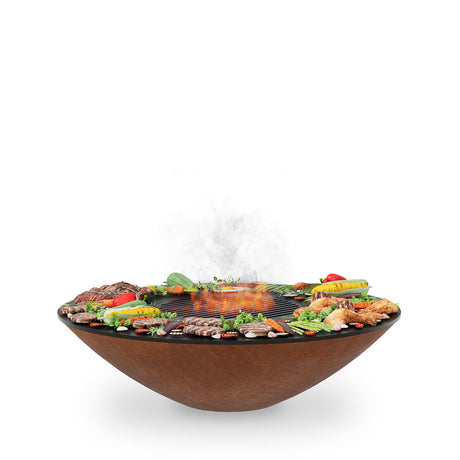
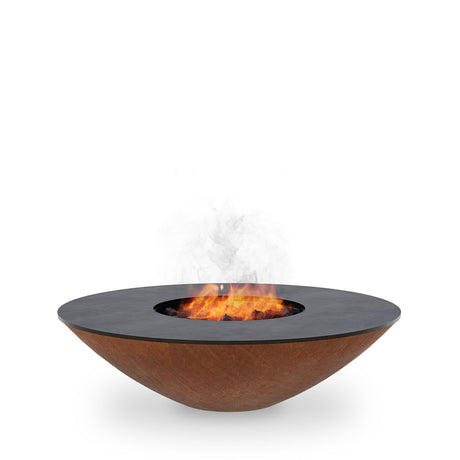
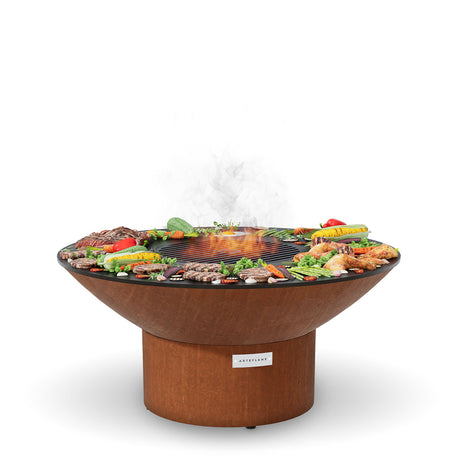
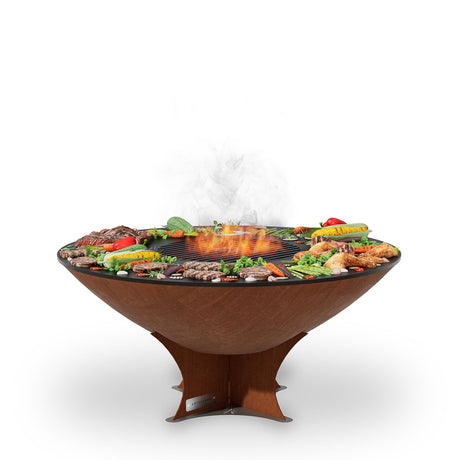
A BBQ grill and griddle combo provides the ultimate outdoor cooking versatility by combining a high-heat open grate for searing with a solid flat-top surface for delicate foods like eggs, vegetables, and smash burgers. This dual-zone setup eliminates the need for multiple appliances, allowing you to manage different temperature zones simultaneously using a single wood or charcoal fire source. It is the most efficient way to achieve restaurant-quality results in your backyard.
The core advantage of a combo unit—specifically the Arteflame style—is the ability to eliminate the "either/or" decision of outdoor cooking. Traditional grates let fire kiss the meat for that distinct smoky flavor but lose juices to the flames. Standalone griddles preserve juices but lack the capacity for true flame-broiling.
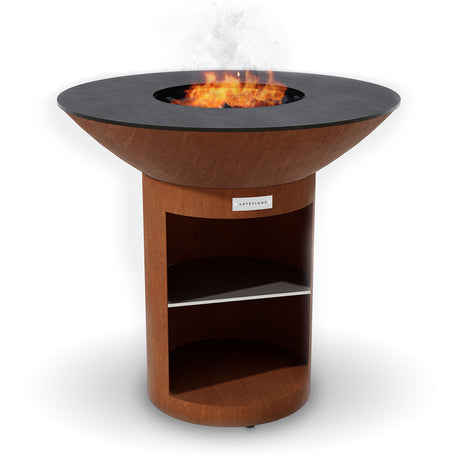
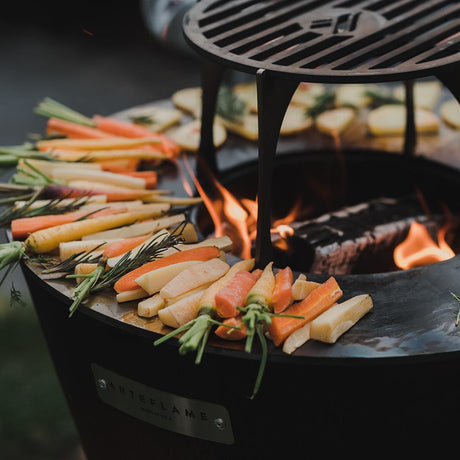
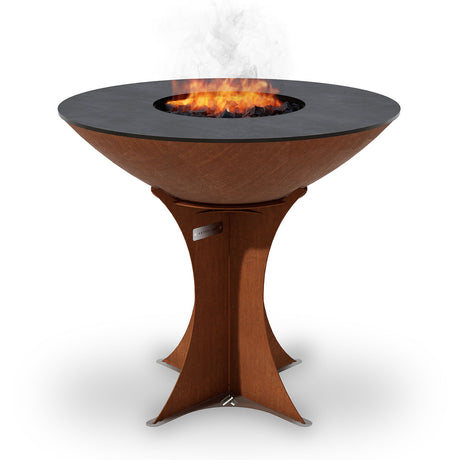
By integrating both, you gain Information Gain through heat management. The center grate operates at temperatures exceeding 1,000°F for steakhouse-level searing, while the surrounding solid steel griddle offers a gradient of heat, getting cooler as you move toward the outer edge. This allows you to sear a steak in the center while slowly roasting potatoes on the edge.
Pro Tip: Utilize the "Reverse Sear" technique effortlessly on a combo. Smoke your thick-cut steaks on the cooler outer edge of the griddle first, then finish them instantly on the center grill grate for a perfect crust without overcooking the inside.
To understand why the combo is the superior choice for serious outdoor chefs, look at how the cooking surfaces compare in terms of functionality and flavor retention.
| Feature | Standard Gas Grill | Flat Top Griddle | Grill & Griddle Combo |
|---|---|---|---|
| Sear Temperature | 500°F - 700°F | 400°F - 600°F | 1,000°F+ (Center) |
| Flavor Profile | Smoky (Grease flare-ups) | Savory (Juice retention) | Smoky & Savory Combined |
| Versatility | Meats & large veggies | Breakfast, smash burgers | Complete meal (Breakfast to Steaks) |
| Fuel Source | Gas / Propane | Gas / Electric | Wood / Charcoal |
One of the most frequent frustrations with traditional grilling is timing. The corn needs to boil inside, the asparagus falls through the grates, and the steak needs high heat. A grill and griddle combo solves this by providing massive surface area and distinct heat zones.
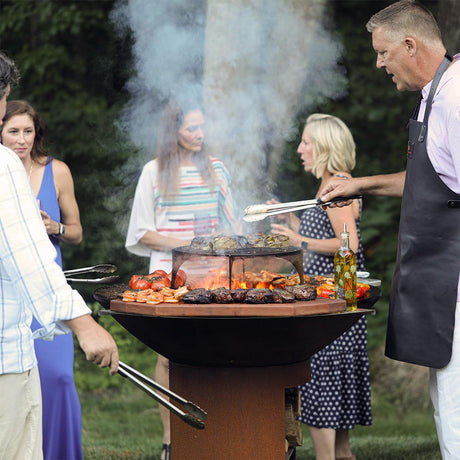
You can sear burgers in the center while toasting buns, caramelizing onions, and frying bacon on the flat top ring simultaneously. There is no need to run back and forth to the indoor kitchen.
Pro Tip: Unlike cast iron grates that require harsh scrubbing, a carbon steel griddle top seasons over time like a cast iron skillet. The more you cook on it, the more non-stick and flavorful the surface becomes.
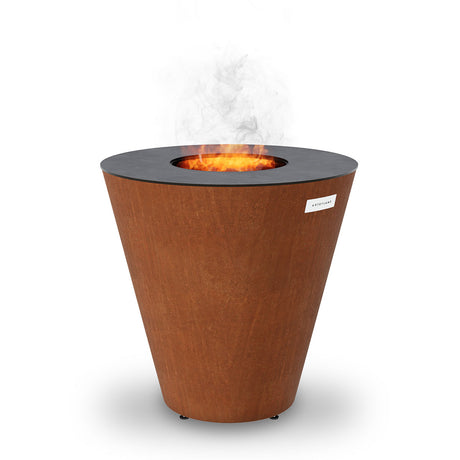
Material matters. Most standard combos use cast iron or stainless steel. However, premium grill and griddle combos utilize carbon steel for the cooktop. Carbon steel is conductive and responsive, meaning it heats up quickly and maintains even heat distribution.
When meat hits the solid griddle surface, it cooks in its own juices rather than having them drip away. This is known as the Maillard reaction—browning that creates complex flavors. Because the Arteflame uses wood fire, you get the benefit of this chemical reaction plus the aromatic infusion of wood smoke, a combination impossible to replicate on gas units.
No, maintenance is similar to a cast iron skillet. After cooking, simply scrape the residue into the fire, wipe the griddle down with a little oil while it is still warm, and it is ready for the next use. This process builds up a natural non-stick seasoning.
Yes, specifically with Arteflame style combos. They are designed to burn both lump charcoal and hardwood. Wood provides the best flavor profile, while charcoal creates a consistent bed of embers for long-duration cooking.
The round design allows for 360-degree access, making it a social cooking experience where everyone can gather around the fire. It also ensures radial heat distribution, creating predictable heat zones from the center out to the edge.







Turn yesterday's leftover macaroni into today's crispy, golden side dish with this easy wood-fired recipe.

Master this Texas-style open-fire brisket cooked entirely on the Arteflame grill. By searing on the center grate and wrapping to render on the flat top, you get perfectly tender, juicy...

Transform standard thick-cut bacon into a sweet, savory appetizer with a dark stout and brown sugar glaze, perfectly caramelized on a flat-top grill.

Render the perfect crispy skin with these Sichuan Peppercorn Duck Breasts, paired with a smoky, sweet, and spicy charred plum-poblano sauce.

Tender artichoke halves charred over high heat and smothered in rich garlic butter and Parmesan cheese.

Achieve the ultimate crust with this low-and-slow beef brisket recipe, utilizing natural heat zones for a perfect sear and incredibly tender finish.

Transform the trending crispy rice paper dumplings into a wood-fired masterpiece. Cooked on the Arteflame flat steel griddle for a shatteringly crisp crust and savory, high-protein filling.

Elevate albacore tuna with a steakhouse-style bacon wrap and a decadent green peppercorn cream sauce, grilled flawlessly on a flat-top.