
Crisp and Golden Mac and Cheese Cakes on the Grill
Turn yesterday's leftover macaroni into today's crispy, golden side dish with this easy wood-fired recipe.


To achieve perfectly grilled vegetables with a crisp exterior and tender interior, prioritize high heat (400°F+) and uniform cutting. Always toss vegetables in oil rather than oiling the grates to ensure even coating and prevent sticking. For the best texture, salt your vegetables after grilling to avoid drawing out moisture that leads to sogginess.
Not all vegetables handle the intense heat of a grill equally. Root vegetables require different preparation than softer summer squashes. Understanding the density and water content of your produce is the first step toward grilling mastery.
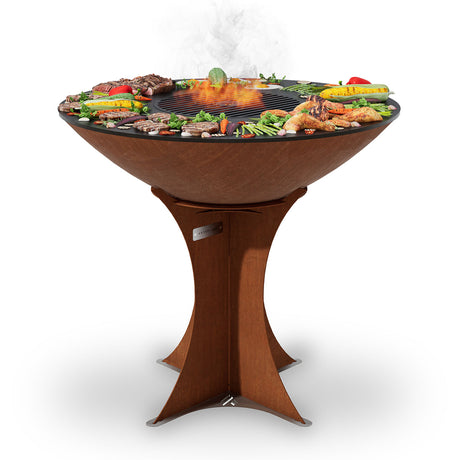
For the best results—especially on a flat top grill or plancha like the Arteflame—follow this texture guide to avoid undercooked centers or burnt exteriors.
| Vegetable Type | Best Prep Cut | Cook Time (High Heat) | Target Texture |
|---|---|---|---|
| Asparagus | Whole, woody ends trimmed | 4-6 Minutes | Crisp-tender, charred tips |
| Bell Peppers | Quartered or thick strips | 8-10 Minutes | Softened, blistered skin |
| Zucchini / Squash | Thick planks (lengthwise) | 4-6 Minutes | Grill marks, firm center |
| Onions | Thick slices (kept in rings) | 8-12 Minutes | Caramelized, sweet |
| Corn | Whole on cob | 10-15 Minutes | Bright yellow, light char |
Moisture is the enemy of the Maillard reaction (browning). If your vegetables turn out soggy, it is likely due to overcrowding or improper prep. Start by washing your produce and drying it thoroughly. Any residual water will steam the vegetable rather than sear it.
Dense vegetables like carrots, potatoes, and thick asparagus spears often burn on the outside before they are cooked through. Par-boil these for 3-5 minutes before transferring them to the grill. This ensures the inside is tender while the grill provides that signature smoky flavor.
Pro Tip: Never salt your vegetables before they hit the grill. Salt draws out moisture, which creates steam and prevents a good sear. Season with kosher salt immediately after removing them from the heat.
Always oil the vegetables directly. Brushing oil onto the grates usually results in the oil burning off before the food touches it, or dripping down and causing flare-ups (on traditional grates). By tossing your veggies in a high-smoke-point oil (like avocado or grapeseed oil) in a bowl, you ensure total coverage.
This coating acts as a conductive barrier, transferring heat efficiently while protecting the vegetable's surface from sticking.
Char is a flavor, but it shouldn't be the only one. While grilling provides smokiness, the acidity and fat balance is what elevates the dish.
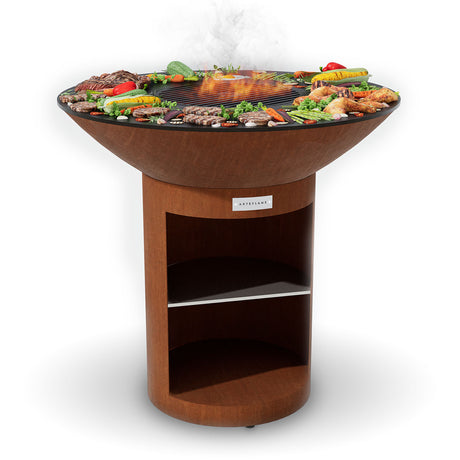
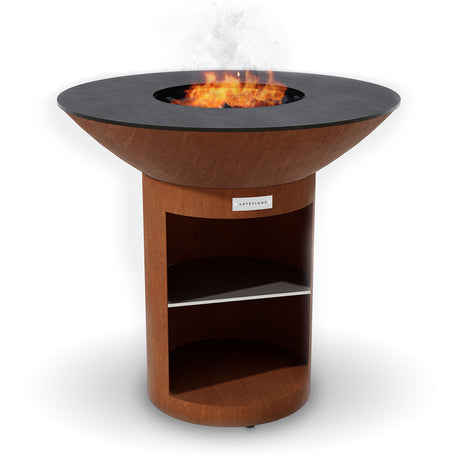
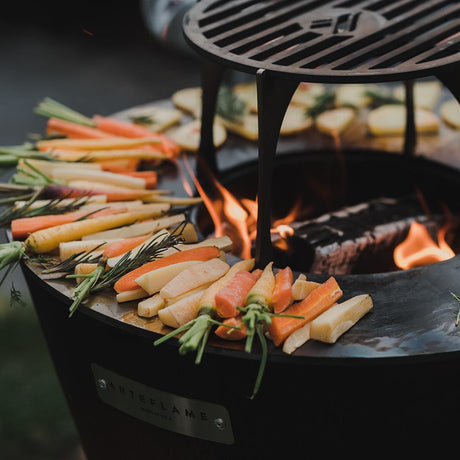
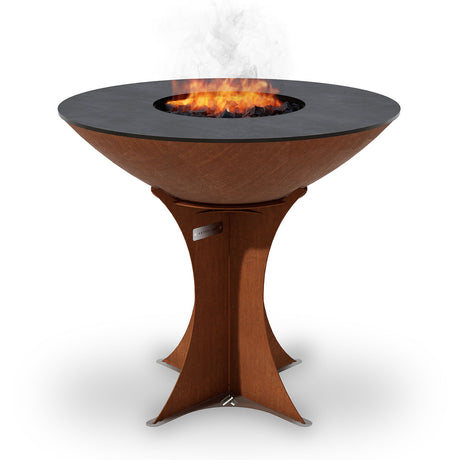
If you are using an Arteflame, take advantage of the flat cooktop. Unlike open grates where juices are lost to the fire, the flat top allows vegetables to cook in their own juices (and the juices of any nearby meats). This significantly increases the depth of flavor.
Pro Tip: Finish your grilled vegetables with an acid immediately upon plating. A squeeze of fresh lemon juice or a drizzle of balsamic glaze cuts through the char and smoky oil, brightening the entire dish.
Absolutely. Small pieces fall through standard grates and cook unevenly. Aim for surface area. Slice zucchini into long planks rather than coins to maximize contact with the grill surface. This promotes better caramelization.
If you must grill smaller items like cherry tomatoes or sliced mushrooms, use a flat-top surface or a grill basket to keep them contained and consistently heated.
Ensure your grill is preheated to high heat and the grates are clean. Crucially, coat the vegetables themselves generously with oil before placing them on the grill, rather than just oiling the metal.
It is not recommended. Frozen vegetables release significant amounts of water as they thaw, leading to steaming rather than searing. For the best texture, always use fresh produce.
Kebabs generally take 10-15 minutes. However, since different veggies cook at different rates, try to group vegetables with similar densities together (e.g., peppers with onions) rather than mixing soft tomatoes with hard potatoes.







Turn yesterday's leftover macaroni into today's crispy, golden side dish with this easy wood-fired recipe.

Master this Texas-style open-fire brisket cooked entirely on the Arteflame grill. By searing on the center grate and wrapping to render on the flat top, you get perfectly tender, juicy...

Transform standard thick-cut bacon into a sweet, savory appetizer with a dark stout and brown sugar glaze, perfectly caramelized on a flat-top grill.

Render the perfect crispy skin with these Sichuan Peppercorn Duck Breasts, paired with a smoky, sweet, and spicy charred plum-poblano sauce.

Tender artichoke halves charred over high heat and smothered in rich garlic butter and Parmesan cheese.

Achieve the ultimate crust with this low-and-slow beef brisket recipe, utilizing natural heat zones for a perfect sear and incredibly tender finish.

Transform the trending crispy rice paper dumplings into a wood-fired masterpiece. Cooked on the Arteflame flat steel griddle for a shatteringly crisp crust and savory, high-protein filling.

Elevate albacore tuna with a steakhouse-style bacon wrap and a decadent green peppercorn cream sauce, grilled flawlessly on a flat-top.