
Best Grilled Vegetables: Charred & Crispy Guide | Arteflame
Learn the best veggies for grilling—plus times, temps, and pro tips—optimized for Arteflame heat zones for perfect char and flavor every time.

 4.8
4.8

There is something primal and deeply comforting about the scent of hickory smoke drifting through the crisp autumn air. This West Virginia-style turkey is not just a holiday centerpiece; it is a celebration of mountain heritage and open-fire cooking. Imagine skin that is lacquered in a sticky, sweet maple glaze, cracking to reveal meat so tender and juicy it practically falls off the bone. It is the kind of meal that demands to be eaten outdoors, surrounded by falling leaves and good company, creating a memory that lingers long after the last bite.
Cooking a whole bird can be intimidating, but doing it on the Arteflame grill changes the game. The open fire imparts a subtle smokiness that an oven simply cannot replicate, while the radiant heat ensures even cooking without drying out the breast meat. Plus, the combination of West Virginia maple syrup and savory herbs creates a sweet-and-savory crust that balances the richness of the smoke perfectly. It is a showstopper that tastes as impressive as it looks.
If you cannot find pure maple syrup, a high-quality honey or sorghum molasses makes a fantastic alternative for that Appalachian sticky sweetness. No fresh herbs? Dried poultry seasoning works in a pinch for the rub.
Cooking a whole turkey over a live fire requires patience and attention to detail to ensure perfection. The most critical tool in your arsenal is a reliable instant-read meat thermometer; cooking to temperature rather than time prevents the tragedy of a dry bird. When managing your Arteflame fire, try to maintain a bed of embers rather than large active flames directly under the meat to avoid soot buildup or flare-ups.
While the classic maple glaze is a crowd-pleaser, you can easily tweak this recipe to suit different palate preferences or seasonal themes. The Arteflame's versatility allows you to experiment with different flavor profiles without changing the core cooking technique. Here are a few ways to remix this Appalachian classic:
A West Virginia Smoked Turkey deserves sides that can stand up to the bold flavors of smoke and maple. You want accompaniments that offer textural contrast and balance the sweetness of the glaze with acidity or earthiness. Since you already have the Arteflame fired up, utilize the flat cooktop to prepare your side dishes alongside the turkey for a cohesive meal.
Mastering this West Virginia Smoked Turkey with Maple Glaze on the Arteflame is about more than just putting dinner on the table; it is about embracing the rhythm of outdoor cooking. The process of tending the fire, smelling the mingling aromas of hickory smoke and caramelized maple, and watching the skin turn a perfect golden brown creates an experience that gathers people together. The result is a turkey that is far superior to anything roasted in a conventional oven—juicy, complex, and deeply satisfying.
Whether this is your first time smoking a whole bird or you are a seasoned pitmaster, this recipe delivers a center-stage dish that honors the ingredients and the method. So, gather your wood, pour a drink, and enjoy the slow, rewarding process of crafting a meal over an open flame. It is a taste of the mountains that you can enjoy right in your own backyard.

Experience the Arteflame difference — 1,000°F searing, true wood-fired flavor, and a wide cooktop with multiple heat zones all in one beautiful grill. Cook everything at once, control every temperature with ease, and transform every outdoor gathering. Discover how Arteflame elevates the art of grilling.





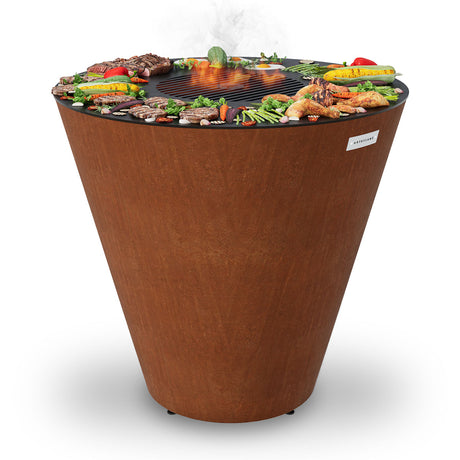


Arteflame One Series 40″ — XXL Flat-Top Charcoal Grill & Fire Bowl (Single-Piece CORTEN Body)
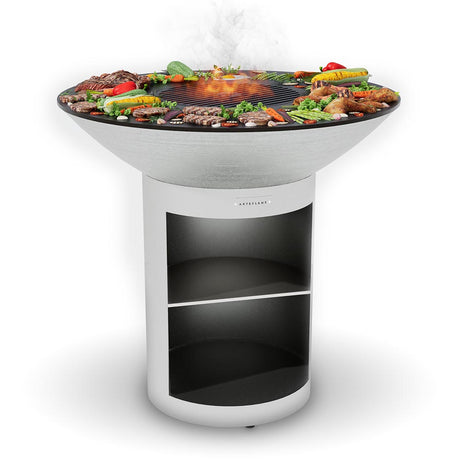
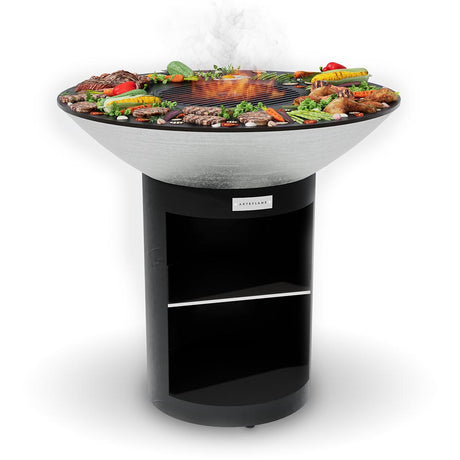
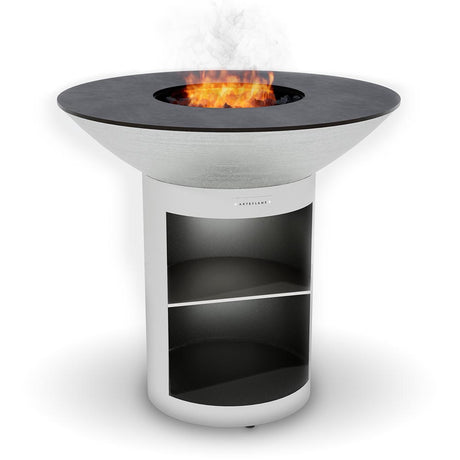


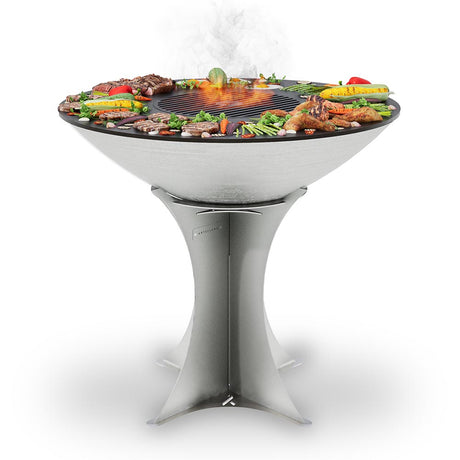
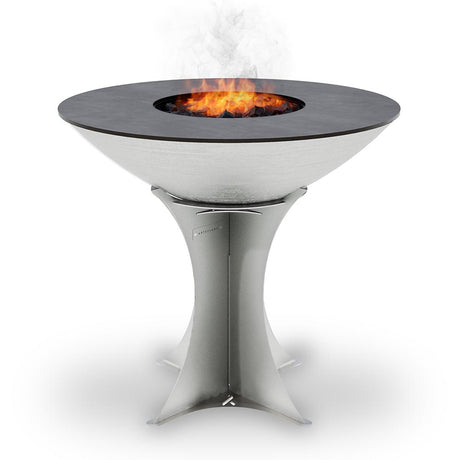
Arteflame 40″ Platinum Series — Stainless Fire Bowl Flat-Top Grill with Storage Base
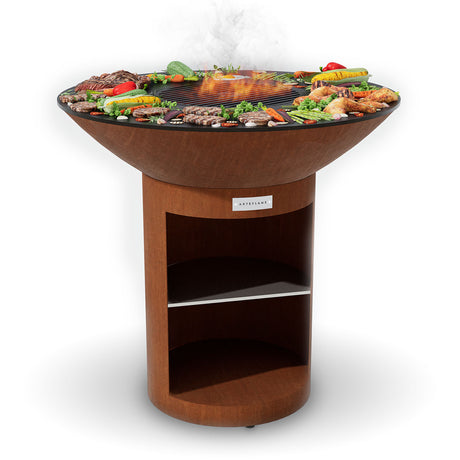
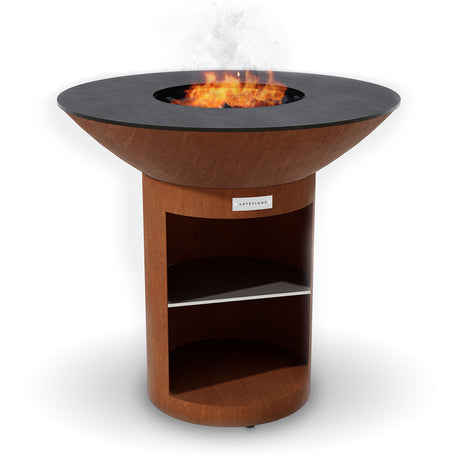
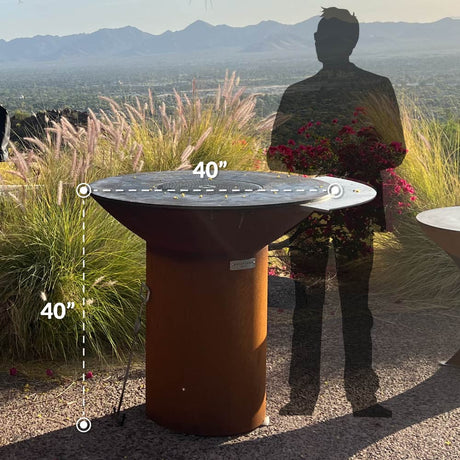
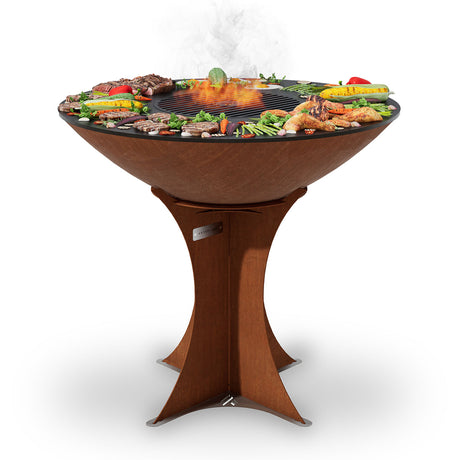
Arteflame Classic 40″ — Storage Base Flat-Top Grill & Fire Bowl (CORTEN Steel)
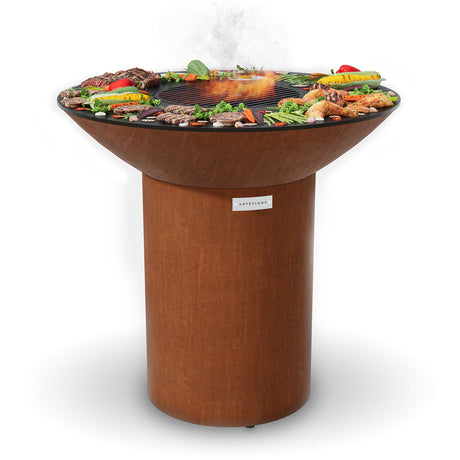
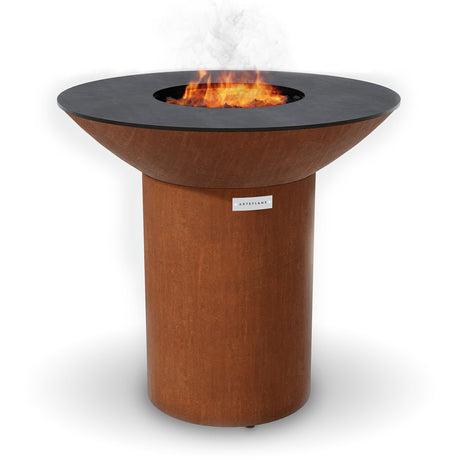
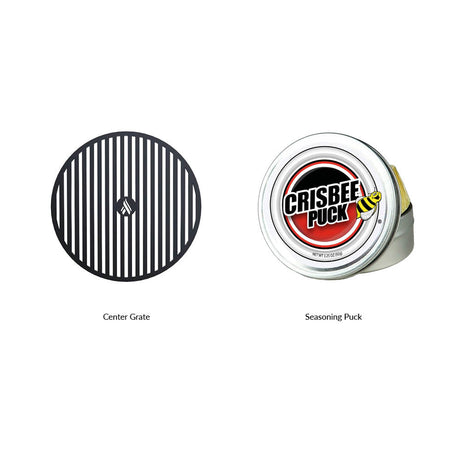
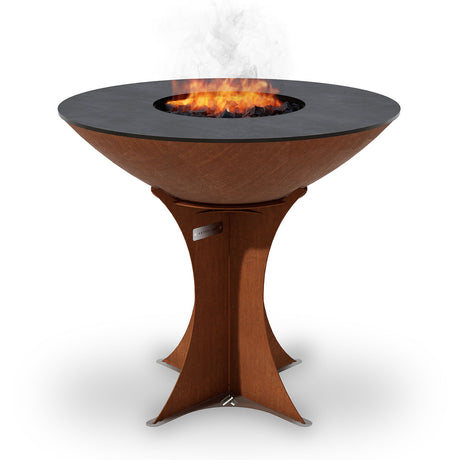
Arteflame Classic 40″ — Round Base Flat-Top Grill & Fire Bowl (CORTEN Steel)
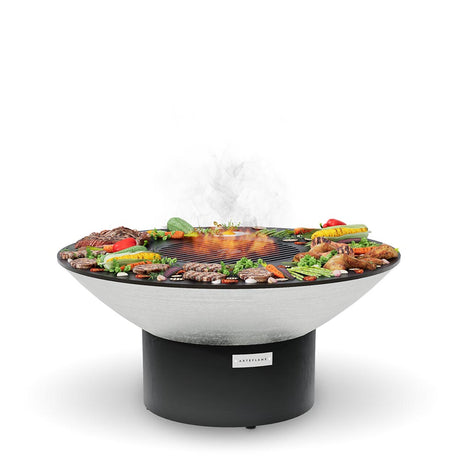
Learn the best veggies for grilling—plus times, temps, and pro tips—optimized for Arteflame heat zones for perfect char and flavor every time.

Transform classic apple pie into a handheld delight with these Wyoming Apple Cinnamon Grilled Dessert Wraps. perfectly crispy, caramelized, and cooked on the Arteflame grill for a smoky finish.

Experience the rustic taste of the West with this Wyoming Campfire Blueberry Cobbler recipe for the Arteflame grill. Featuring bubbling blueberries and a golden biscuit crust cooked in cast iron,...

Experience the rugged flavor of the American West with these Wyoming Wild Boar Chops. Seared to perfection on the Arteflame grill, this recipe uses a savory juniper and sage rub...

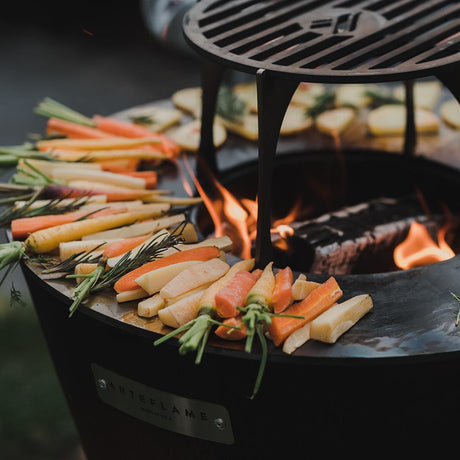
Elevate your BBQ with these Wyoming-style grilled carrots. Sweet honey, tangy balsamic, and a perfect char make this the ultimate side dish for your Arteflame grill. Easy, healthy, and packed...

Unleash the flavor of the American West with these tender Wyoming Teriyaki Bison Skewers. Featuring a homemade savory-sweet glaze and perfectly charred vegetables, this recipe maximizes the searing power of...

Unlock the savory flavors of the West with this Wyoming-style garlic parmesan grilled mushrooms recipe. Perfectly seared on the Arteflame flat top, these buttery, cheesy mushrooms make the ultimate side...

Unlock the bold flavors of the West with this Wyoming-style grilled jalapeño cheddar sausage recipe. Learn how to achieve the perfect sear and juicy interior using your Arteflame grill for...