
Best Grilled Vegetables: Charred & Crispy Guide | Arteflame
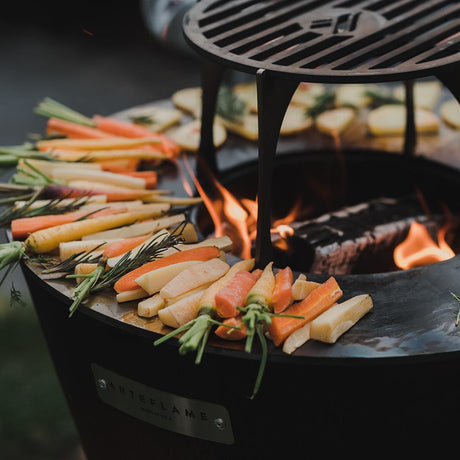
Learn the best veggies for grilling—plus times, temps, and pro tips—optimized for Arteflame heat zones for perfect char and flavor every time.

 4.8
4.8

There is nothing quite like the sweet, earthy aroma of chestnuts roasting over an open fire to signal the arrival of the holidays. Growing up, this wasn't just a carol lyric; it was a sensory masterpiece. The moment the shells crack open to reveal the tender, golden nut inside, you are transported to a cozy West Virginia cabin, regardless of where you are standing. It’s the ultimate edible hand-warmer for a crisp evening, offering a creamy texture and a nutty sweetness that pairs perfectly with the smell of woodsmoke.
While you can roast chestnuts in an oven, bringing them out to the Arteflame grill changes the game entirely. The combination of the center heat and the flat plancha gives you a level of control that prevents burning while infusing a distinct, smoky depth you just can't fake indoors. It turns a simple snack into a communal event where everyone gathers around the warmth of the hearth to watch the shells curl open.
If you want to keep this vegan or dairy-free, simply swap the butter for a high-quality olive oil or even rendered duck fat for a savory twist. You can also skip the fat entirely for a pure, sweet nut flavor.
The difference between a delectable roasted chestnut and a frustrating experience often lies in the selection and preparation. Always buy chestnuts that feel heavy for their size; if a nut feels light or rattles when you shake it, it has likely dried out and will not be good. Discard any nuts with pinholes, as this indicates worms. When scoring, safety is paramount—a dull knife can slip easily on the smooth shell, so ensure your blade is sharp or invest in a chestnut clamp.
Temperature control on the Arteflame is also key. You want to roast them, not just burn the shells. If the fire is raging, move the chestnuts toward the outer edge of the cooktop where the heat is gentler. If you struggle with peeling even after the towel steam method, try peeling them in small batches, keeping the rest wrapped warmly in the towel. The cooler they get, the more stubborn the skin becomes. Finally, don't skip the soak; that little bit of added humidity makes the nut meat creamier.
While the classic West Virginia style usually calls for enjoying them plain or with a pinch of salt, the neutral, slightly sweet flavor of chestnuts makes them a perfect canvas for culinary experimentation on the Arteflame. You can lean into savory profiles to pair with dinner or sweet profiles for dessert.
Fire-roasted chestnuts are a hearty, earthy treat that pairs beautifully with beverages and foods that share that cozy, winter character. Because chestnuts are starchy and slightly sweet, they require drinks that can cut through the richness or complement the nutty notes. They are traditionally enjoyed as a snack on their own, but they also serve as a fantastic prelude to a larger grilled feast.
Mastering the art of West Virginia fire-roasted chestnuts on your Arteflame grill is a rewarding way to embrace the colder months. It transforms a simple ingredient into a centerpiece of social gathering, inviting friends and family to huddle closer to the fire. The process—from the careful scoring to the rhythmic roasting and the communal peeling—is just as enjoyable as the eating itself.
Whether you stick to the purist approach with just a touch of fire and smoke, or you experiment with sweet and savory variations, the result is a comforting taste of history. So, next time the temperature drops, light up the Arteflame, score some chestnuts, and keep this timeless tradition alive in your own backyard.

Experience the difference — sear at 1,000°F, enjoy multiple heat zones, and cook with natural wood-fired flavor on one beautiful grill. Prepare everything at once, manage temperatures with ease, and elevate every outdoor gathering. Discover why an Arteflame transforms the entire grilling experience.
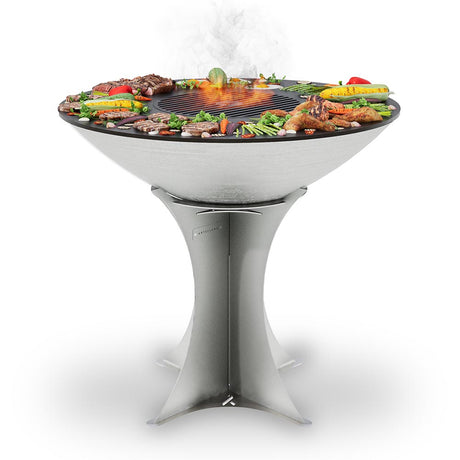

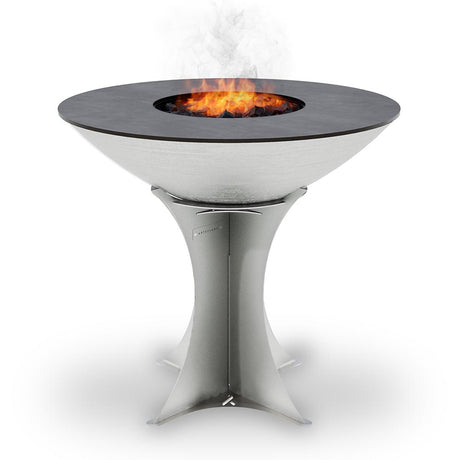


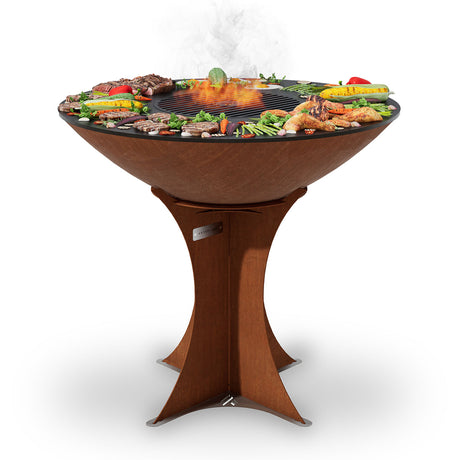
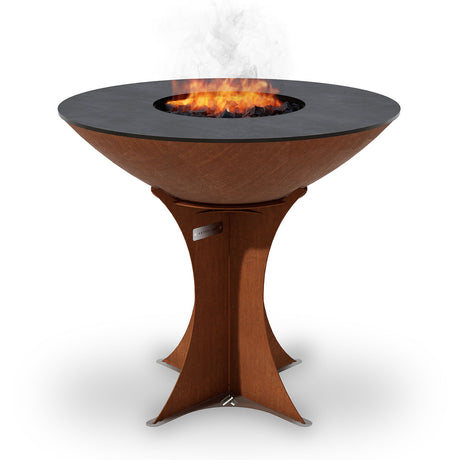


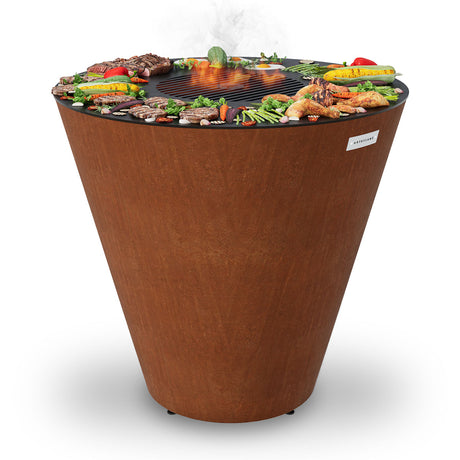


Arteflame One Series 40″ — XXL Flat-Top Charcoal Grill & Fire Bowl (Single-Piece CORTEN Body)
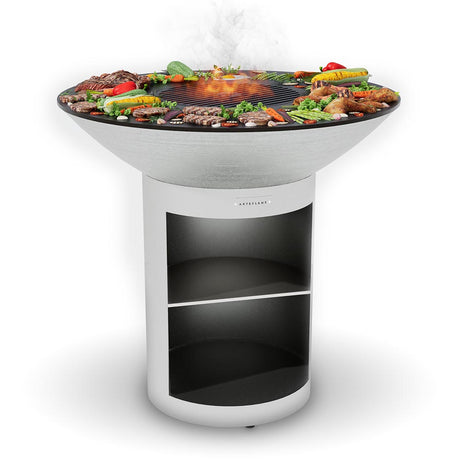
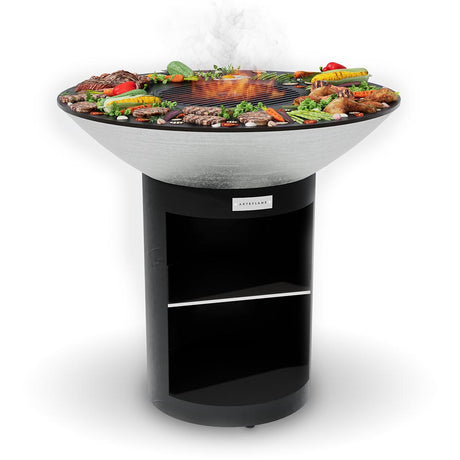
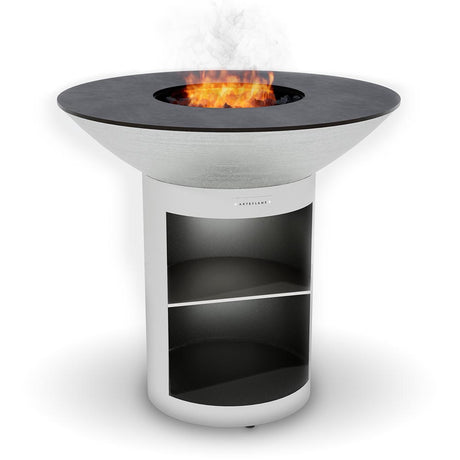


Arteflame 40″ Platinum Series — Stainless Fire Bowl Flat-Top Grill with Storage Base
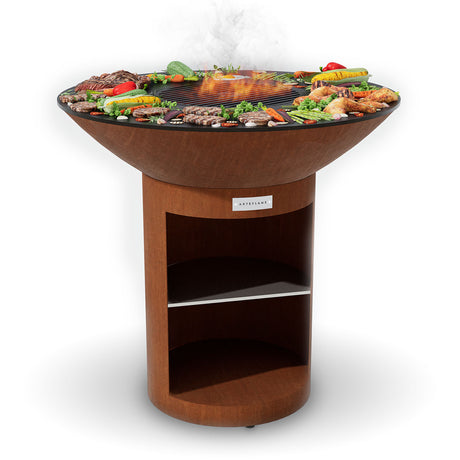
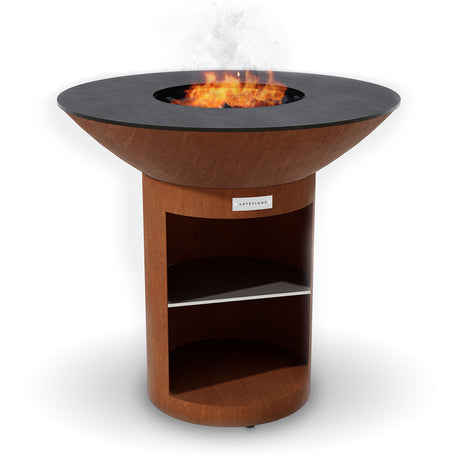
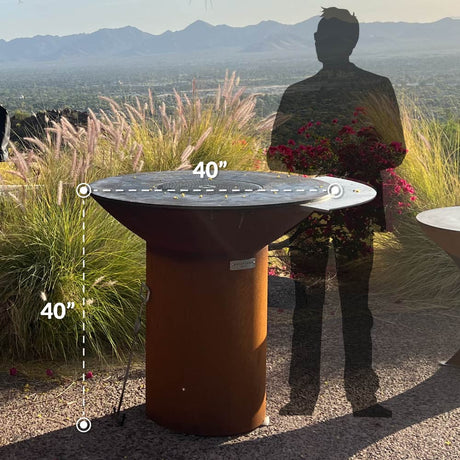
Arteflame Classic 40″ — Storage Base Flat-Top Grill & Fire Bowl (CORTEN Steel)
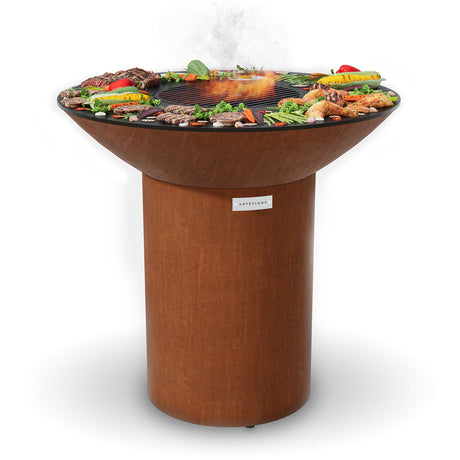
Arteflame Classic 40″ — Round Base Flat-Top Grill & Fire Bowl (CORTEN Steel)
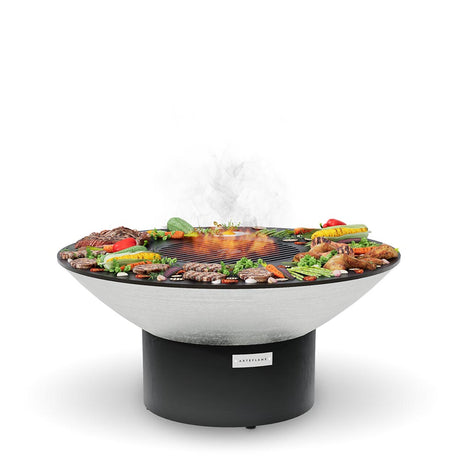
Learn the best veggies for grilling—plus times, temps, and pro tips—optimized for Arteflame heat zones for perfect char and flavor every time.

Transform classic apple pie into a handheld delight with these Wyoming Apple Cinnamon Grilled Dessert Wraps. perfectly crispy, caramelized, and cooked on the Arteflame grill for a smoky finish.

Experience the rustic taste of the West with this Wyoming Campfire Blueberry Cobbler recipe for the Arteflame grill. Featuring bubbling blueberries and a golden biscuit crust cooked in cast iron,...

Experience the rugged flavor of the American West with these Wyoming Wild Boar Chops. Seared to perfection on the Arteflame grill, this recipe uses a savory juniper and sage rub...

Elevate your BBQ with these Wyoming-style grilled carrots. Sweet honey, tangy balsamic, and a perfect char make this the ultimate side dish for your Arteflame grill. Easy, healthy, and packed...

Unleash the flavor of the American West with these tender Wyoming Teriyaki Bison Skewers. Featuring a homemade savory-sweet glaze and perfectly charred vegetables, this recipe maximizes the searing power of...

Unlock the savory flavors of the West with this Wyoming-style garlic parmesan grilled mushrooms recipe. Perfectly seared on the Arteflame flat top, these buttery, cheesy mushrooms make the ultimate side...

Unlock the bold flavors of the West with this Wyoming-style grilled jalapeño cheddar sausage recipe. Learn how to achieve the perfect sear and juicy interior using your Arteflame grill for...