
Best Grilled Vegetables: Charred & Crispy Guide | Arteflame
Learn the best veggies for grilling—plus times, temps, and pro tips—optimized for Arteflame heat zones for perfect char and flavor every time.

 4.8
4.8

There is nothing quite like the aroma of woodsmoke mingling with the deep, savory scent of molasses and bacon bubbling away in a cast iron skillet. These West Virginia Campfire Beans are sticky, hearty, and packed with that primitive, satisfying flavor that only open-fire cooking can provide. It is the kind of dish that warms you from the inside out, perfect for cool evenings gathered around the fire pit or a robust backyard barbecue. Whether you are deep in the woods or just on your back patio, this dish sets the mood instantly.
This is not your average side dish; it is a meat-lover's dream that eats like a meal. The combination of crispy bacon and ground beef transforms simple canned beans into a rustic masterpiece. I love it because it is incredibly forgiving and improves as it simmers, allowing the brown sugar and mustard to meld into a rich, glaze-like sauce. It is the ultimate low-stress crowd-pleaser that bridges the gap between rugged camping food and gourmet grilling.
If you are out of molasses, maple syrup creates a lovely, woodsy alternative that pairs beautifully with bacon. For a lighter version, feel free to swap the ground beef for turkey or even a plant-based crumble, adding a drop of liquid smoke to keep that campfire vibe alive.
To master this West Virginia classic, heat management is everything. Because this recipe contains sugars from molasses and ketchup, it can burn quickly if left over a roaring flame without stirring. Using an Arteflame grill is advantageous here because you can slide the cast iron skillet to the outer ring of the cooktop for a gentle simmer after the initial sear. If you prefer a smokier flavor, cook the beans uncovered for the entire duration to let the wood smoke permeate the sauce. For those using a Dutch oven, you can cover it for the first 20 minutes to build heat fast, then uncover it for the final 20 minutes to thicken the sauce. Always taste your beans before serving; depending on the brand of pork and beans used, you might want to add a splash of apple cider vinegar to cut the sweetness or a dash of hot sauce for heat.
While the traditional recipe is a crowd-pleaser, these beans are incredibly versatile and forgiving. You can easily adapt the flavor profile to match your main course or dietary preferences. Here are a few popular twists on the classic recipe:
West Virginia Campfire Beans are heavy and rich, so they pair best with mains that can stand up to their bold flavor, or sides that offer a textural contrast. This dish is a staple at barbecues for a reason—it complements the char of grilled meats perfectly. If you are cooking outdoors, consider these pairings to round out your meal:
West Virginia Campfire Cast Iron Beans are more than just a recipe; they are a tradition that celebrates the joy of outdoor cooking. The combination of savory beef, salty bacon, and that signature sweet molasses glaze creates a depth of flavor that canned beans simply cannot match. By cooking them in cast iron on your Arteflame, you achieve that coveted rustic texture and smokiness that defines true comfort food. whether you are feeding a hungry crowd of campers or looking for the perfect side dish for your Sunday BBQ, this recipe is guaranteed to impress. Gather your ingredients, light the fire, and enjoy a taste of the mountains right in your own backyard.

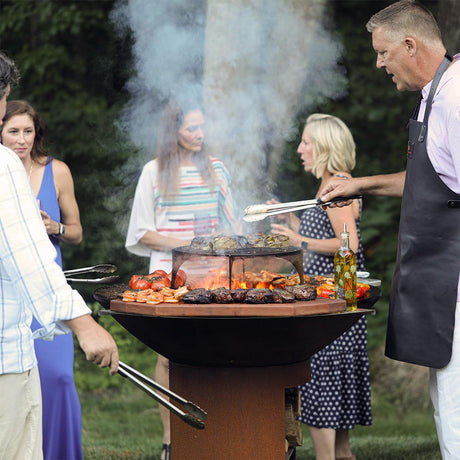
Experience the Arteflame difference — 1,000°F searing, natural wood-fired flavor, and a wide cooktop with multiple heat zones, all in one beautifully designed grill. Cook everything at once, control every temperature with ease, and elevate every outdoor moment. Discover why Arteflame transforms the way you grill.
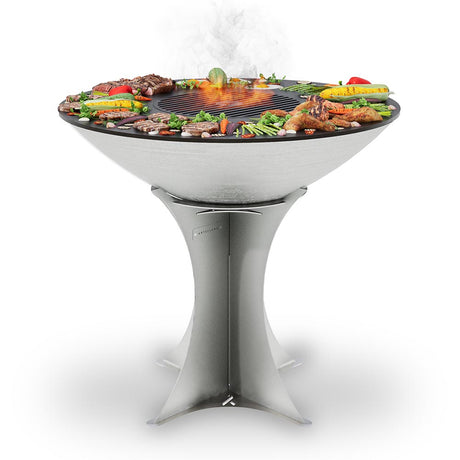





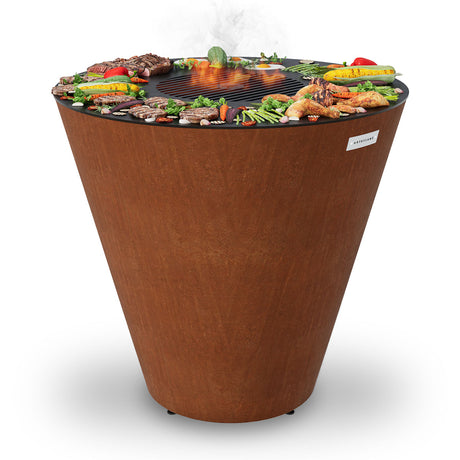


Arteflame One Series 40″ — XXL Flat-Top Charcoal Grill & Fire Bowl (Single-Piece CORTEN Body)
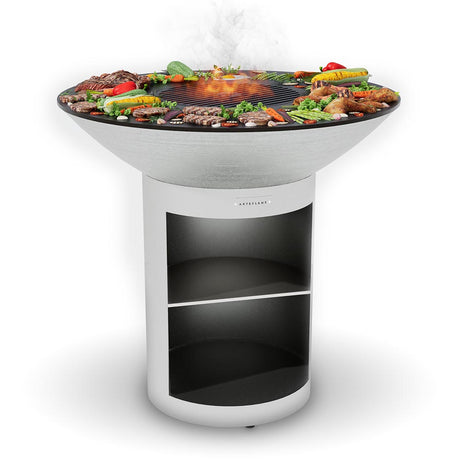
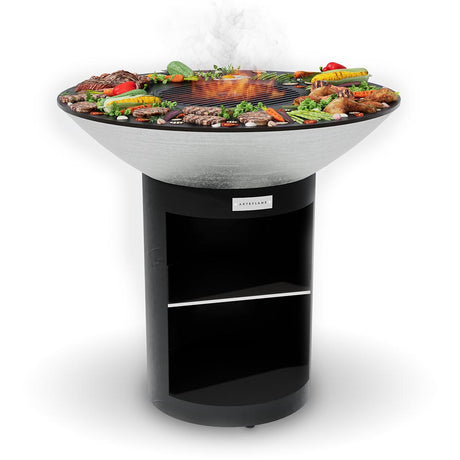
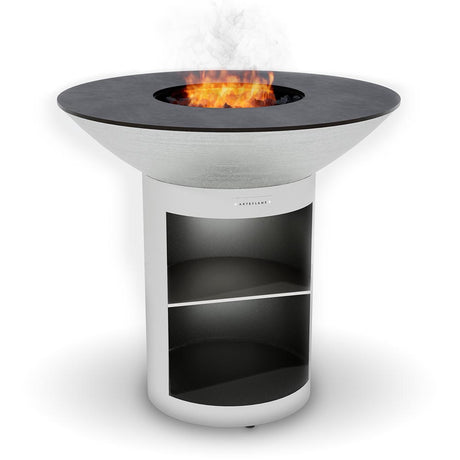


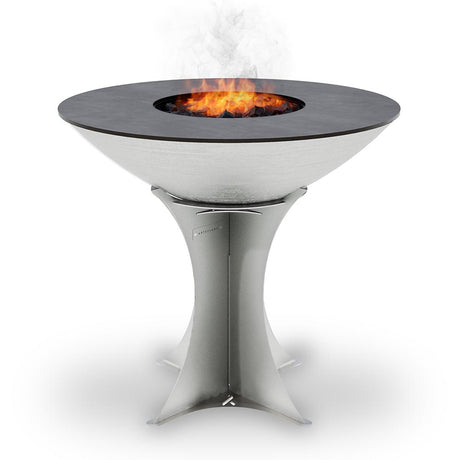
Arteflame 40″ Platinum Series — Stainless Fire Bowl Flat-Top Grill with Storage Base
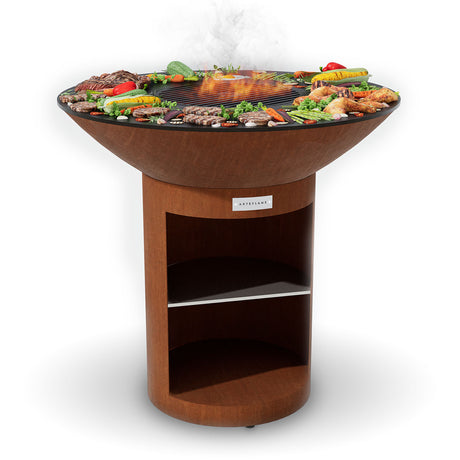
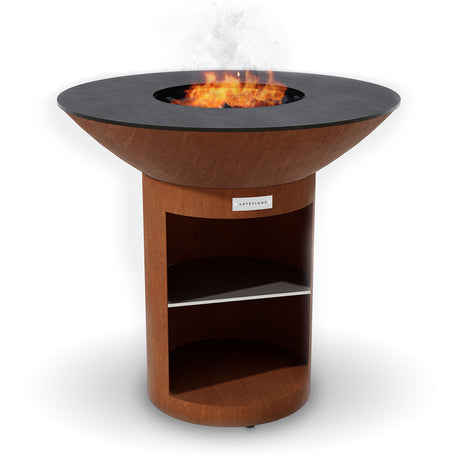
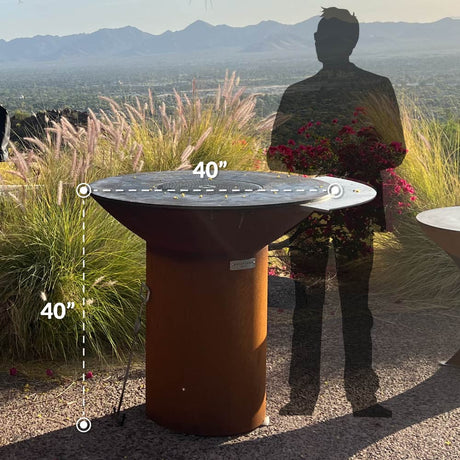
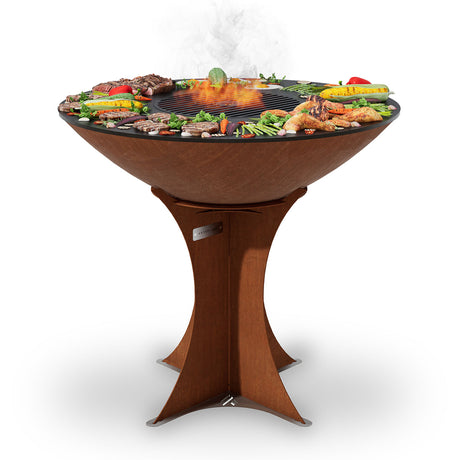
Arteflame Classic 40″ — Storage Base Flat-Top Grill & Fire Bowl (CORTEN Steel)
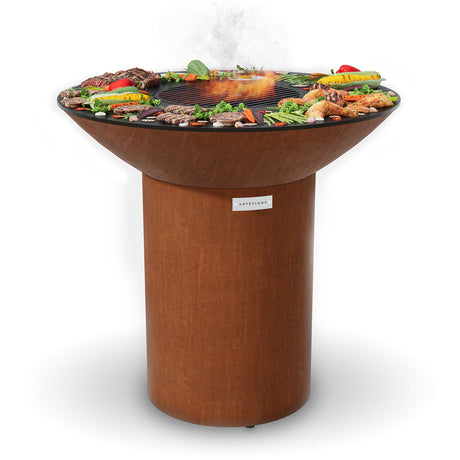
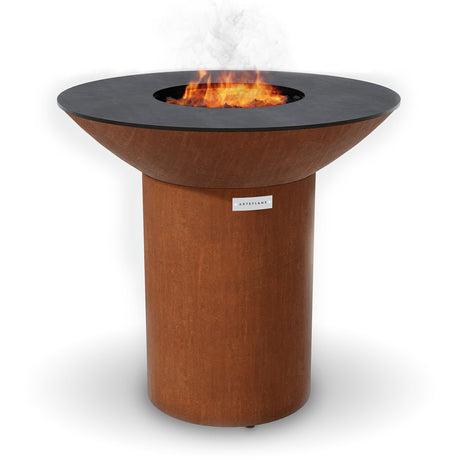
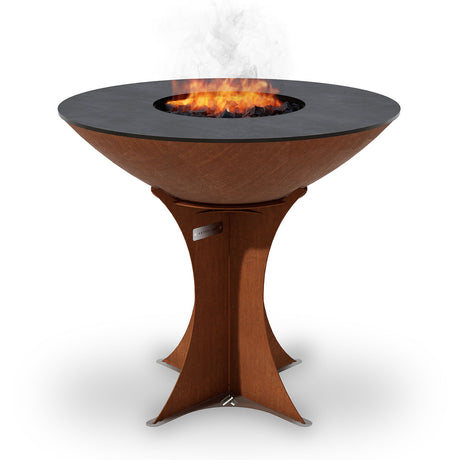
Arteflame Classic 40″ — Round Base Flat-Top Grill & Fire Bowl (CORTEN Steel)
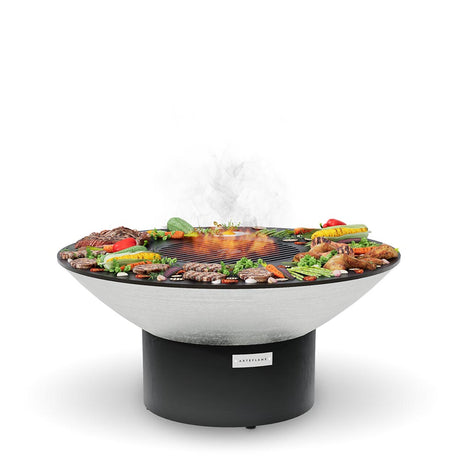
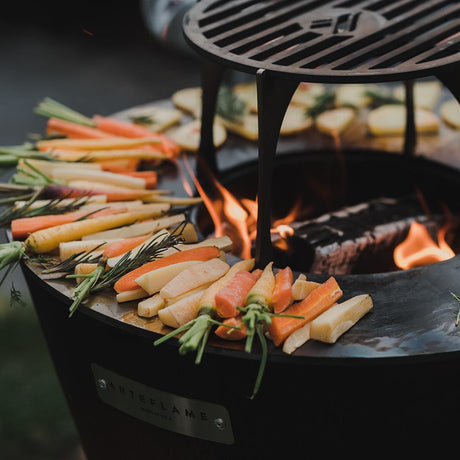
Learn the best veggies for grilling—plus times, temps, and pro tips—optimized for Arteflame heat zones for perfect char and flavor every time.

Transform classic apple pie into a handheld delight with these Wyoming Apple Cinnamon Grilled Dessert Wraps. perfectly crispy, caramelized, and cooked on the Arteflame grill for a smoky finish.

Experience the rustic taste of the West with this Wyoming Campfire Blueberry Cobbler recipe for the Arteflame grill. Featuring bubbling blueberries and a golden biscuit crust cooked in cast iron,...

Experience the rugged flavor of the American West with these Wyoming Wild Boar Chops. Seared to perfection on the Arteflame grill, this recipe uses a savory juniper and sage rub...

Elevate your BBQ with these Wyoming-style grilled carrots. Sweet honey, tangy balsamic, and a perfect char make this the ultimate side dish for your Arteflame grill. Easy, healthy, and packed...

Unleash the flavor of the American West with these tender Wyoming Teriyaki Bison Skewers. Featuring a homemade savory-sweet glaze and perfectly charred vegetables, this recipe maximizes the searing power of...

Unlock the savory flavors of the West with this Wyoming-style garlic parmesan grilled mushrooms recipe. Perfectly seared on the Arteflame flat top, these buttery, cheesy mushrooms make the ultimate side...

Unlock the bold flavors of the West with this Wyoming-style grilled jalapeño cheddar sausage recipe. Learn how to achieve the perfect sear and juicy interior using your Arteflame grill for...