
Crisp and Golden Mac and Cheese Cakes on the Grill
Turn yesterday's leftover macaroni into today's crispy, golden side dish with this easy wood-fired recipe.


There is a distinct, rustic elegance to Scandinavian cooking that feels like a warm hug on a cool evening. Imagine the aroma of tangy mustard and herbaceous dill caramelizing over an open fire, creating a sticky, golden crust on tender pork. This Swedish Mustard Glazed Pork Tenderloin captures that magic perfectly—crispy on the outside, incredibly juicy on the inside, and infused with a flavor profile that is both comforting and sophisticated.
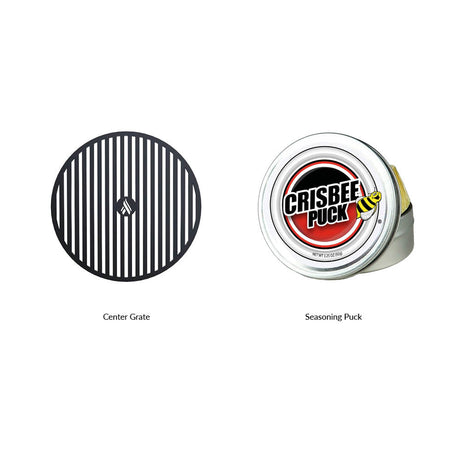
I adore this recipe because it transforms a humble cut of meat into a showstopper with minimal fuss. The interplay between the sharp Swedish mustard and the sweet brown sugar creates a glaze that cuts through the richness of the pork beautifully. Plus, using the Arteflame allows you to get that aggressive steakhouse sear on the center grate before moving it to the flat top, where the glaze can bubble and thicken gently without burning—a technique that feels effortless but tastes chef-made.
If you can't find traditional Swedish mustard, a mild Dijon mustard mixed with an extra splash of honey works wonders. You can also swap the pork for chicken thighs if you prefer poultry; the glaze clings to crispy chicken skin just as deliciously.
To master this dish on the Arteflame, temperature management is key. Pork tenderloin is a lean cut, meaning it can dry out quickly if overcooked. By searing over the center grate and finishing on the cooler outer ring of the flat top, you ensure the meat remains succulent while achieving a perfect crust. Always trust your meat thermometer rather than cooking by time alone; pull the meat at 140°F, as the temperature will continue to rise during the resting phase. If you cannot find traditional Swedish mustard, which tends to be a bit sweeter than American varieties, mixing Dijon with a little extra honey or sugar mimics the flavor profile beautifully. Finally, don't skimp on the fresh dill—it provides the aromatic lift that defines this dish.
This recipe is highly adaptable depending on your palate or dietary needs. While pork is the traditional vessel for this glaze, the sweet and tangy profile works wonders on other proteins or with slight ingredient tweaks. Here are a few ways to mix it up:
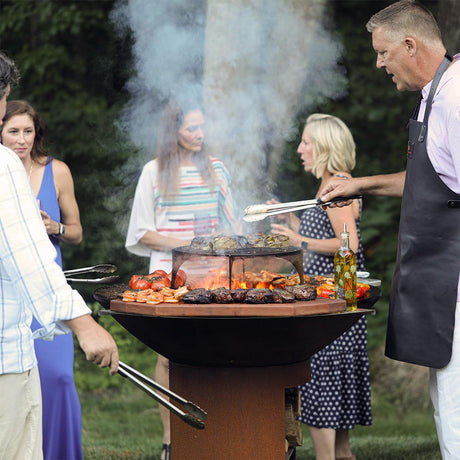
To create a cohesive Scandinavian-inspired feast, you want sides that balance the richness of the pork and the tang of the mustard. Since you already have the Arteflame fired up, utilize the flat top to cook your sides alongside the main course. The distinct heat zones allow you to multitask effortlessly.
Cooking Swedish Mustard Glazed Pork Tenderloin on an Arteflame is more than just a recipe; it is an experience that connects you with the primal joy of open-fire cooking. The combination of the smoky sear from the grill and the sweet, herbaceous glaze creates a dish that feels sophisticated yet incredibly approachable. It is a testament to how simple ingredients, when treated with the right technique and equipment, can transform into a memorable meal. Gather your friends around the fire, pour a drink, and enjoy the process of grilling as much as the feast itself. Once you try this method, you may never go back to oven-roasting pork tenderloin again.

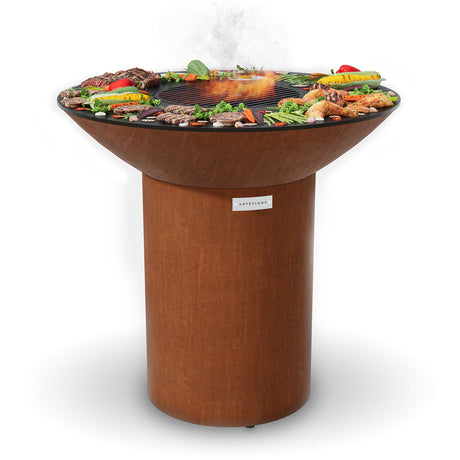
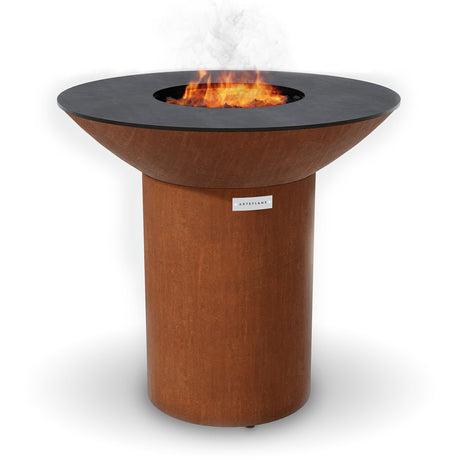
Experience the difference — sear at 1,000°F, enjoy multiple heat zones, and cook with natural wood-fired flavor on one beautiful grill. Prepare everything at once, manage temperatures with ease, and elevate every outdoor gathering. Discover why an Arteflame transforms the entire grilling experience.









Turn yesterday's leftover macaroni into today's crispy, golden side dish with this easy wood-fired recipe.

Master this Texas-style open-fire brisket cooked entirely on the Arteflame grill. By searing on the center grate and wrapping to render on the flat top, you get perfectly tender, juicy...

Transform standard thick-cut bacon into a sweet, savory appetizer with a dark stout and brown sugar glaze, perfectly caramelized on a flat-top grill.

Render the perfect crispy skin with these Sichuan Peppercorn Duck Breasts, paired with a smoky, sweet, and spicy charred plum-poblano sauce.

Tender artichoke halves charred over high heat and smothered in rich garlic butter and Parmesan cheese.

Achieve the ultimate crust with this low-and-slow beef brisket recipe, utilizing natural heat zones for a perfect sear and incredibly tender finish.

Transform the trending crispy rice paper dumplings into a wood-fired masterpiece. Cooked on the Arteflame flat steel griddle for a shatteringly crisp crust and savory, high-protein filling.

Elevate albacore tuna with a steakhouse-style bacon wrap and a decadent green peppercorn cream sauce, grilled flawlessly on a flat-top.
Inspired to Grill?
Love it? Tell us — rate this recipe in 2 seconds. Tap a star below.