
Crisp and Golden Mac and Cheese Cakes on the Grill
Turn yesterday's leftover macaroni into today's crispy, golden side dish with this easy wood-fired recipe.


Imagine the air thick with wood smoke and the savory, sweet scent of caramelized onions. There is something primal and incredibly joyful about the Catalan tradition of the Calçotada. It is a feast where eating with your hands isn't just allowed; it is mandatory. The contrast of the charred, blackened exterior giving way to a meltingly sweet, tender interior is a texture sensation you won't forget. It is the ultimate winter barbecue experience that brings friends together around the warmth of the fire.
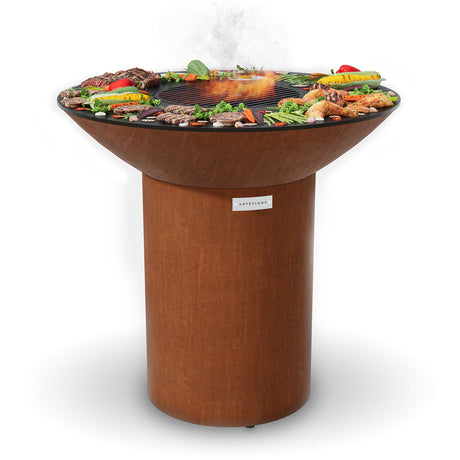
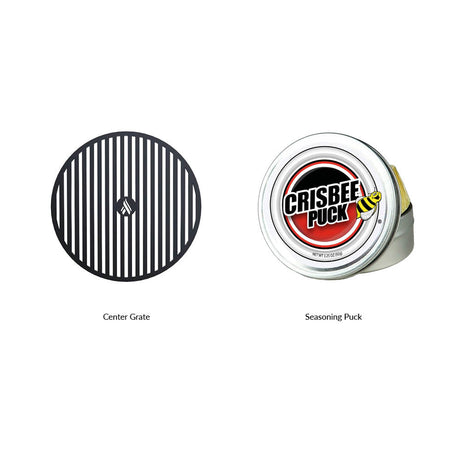
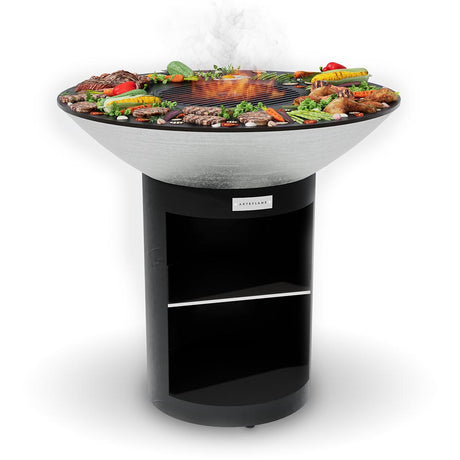
I adore this recipe because it transforms a humble onion into a gourmet experience using nothing but intense heat. Cooking this on the Arteflame is a dream; the center grate gives that necessary aggressive char, while the plancha perfectly roasts the garlic and toasts the nuts for the sauce. Plus, the accompanying Romesco sauce—rich, nutty, and vibrant—is so good you will want to put it on everything. It is festive, interactive, and undeniably delicious.
If you cannot fly to Catalonia or find specific Calçots, do not worry. Large Mexican green onions or young, thin leeks are excellent stand-ins. Just keep an eye on the thickness to adjust your grilling time accordingly.
The secret to a successful Calçotada is managing the messy nature of the feast. Traditionally, bibs are worn because the combination of charred onion skins and dripping Romesco sauce inevitably leads to stains. Do not be afraid of the char; if you pull the onions off the grill when they look "golden brown," they will be tough and spicy inside. They must look burnt to be cooked correctly. Furthermore, the resting period in the newspaper is not a suggestion—it is a critical cooking step. Without this steaming phase, the texture will remain fibrous rather than meltingly soft. If your Romesco sauce feels too thick, you can thin it out with a splash of water or a bit more olive oil, but it should be substantial enough to cling heavily to the onion.
While tradition is paramount in Catalonia, adaptability is key for the home cook. If you cannot source true Calçots, which are specific to the region of Valls, standard spring onions or thin leeks make a respectable substitute, though the cooking time may vary. For the sauce, the flavor profile can be tweaked to suit your palate. Some cooks prefer a spicier kick, while others lean into the acidity of the vinegar. Here are a few ways to mix it up:
A Calçotada is rarely a standalone meal; it is usually the prelude to a larger barbecue feast. Because the onions are sweet and the sauce is rich and nutty, the drink pairings should cut through that intensity. A cold glass of Cava, the sparkling wine of Spain, is the traditional choice, offering a crisp acidity that cleanses the palate. Alternatively, a young, fruity red wine served from a porron (a traditional glass pitcher) adds to the festive atmosphere. For food pairings, the grill should stay busy after the onions come off.
Grilling Calçots on the Arteflame is more than just following a recipe; it is about embracing a lifestyle that values slow food, outdoor living, and the joy of eating with your hands. The contrast between the charred, smoky exterior and the tender, sweet interior of the onion is a flavor profile that is hard to replicate with any other method. Paired with the complex, garlicky richness of the Romesco sauce, it creates a bite that is deeply satisfying and culturally rich. Whether you are hosting a full-blown Calçotada party or simply looking for a unique appetizer to start your weekend barbecue, this Spanish tradition is sure to impress. So, gather your newspapers, prep your grill, and get ready for a delicious mess.

Experience the Arteflame difference — 1,000°F searing, true wood-fired flavor, and a wide cooktop with multiple heat zones all in one beautiful grill. Cook everything at once, control every temperature with ease, and transform every outdoor gathering. Discover how Arteflame elevates the art of grilling.









Turn yesterday's leftover macaroni into today's crispy, golden side dish with this easy wood-fired recipe.

Master this Texas-style open-fire brisket cooked entirely on the Arteflame grill. By searing on the center grate and wrapping to render on the flat top, you get perfectly tender, juicy...

Transform standard thick-cut bacon into a sweet, savory appetizer with a dark stout and brown sugar glaze, perfectly caramelized on a flat-top grill.

Render the perfect crispy skin with these Sichuan Peppercorn Duck Breasts, paired with a smoky, sweet, and spicy charred plum-poblano sauce.

Tender artichoke halves charred over high heat and smothered in rich garlic butter and Parmesan cheese.

Achieve the ultimate crust with this low-and-slow beef brisket recipe, utilizing natural heat zones for a perfect sear and incredibly tender finish.

Transform the trending crispy rice paper dumplings into a wood-fired masterpiece. Cooked on the Arteflame flat steel griddle for a shatteringly crisp crust and savory, high-protein filling.

Elevate albacore tuna with a steakhouse-style bacon wrap and a decadent green peppercorn cream sauce, grilled flawlessly on a flat-top.
Inspired to Grill?
Love it? Tell us — rate this recipe in 2 seconds. Tap a star below.