
Best Grilled Vegetables: Charred & Crispy Guide | Arteflame
Learn the best veggies for grilling—plus times, temps, and pro tips—optimized for Arteflame heat zones for perfect char and flavor every time.

 4.8
4.8

There is nothing quite like the sizzle of seasoned meat hitting a searing hot griddle as the aroma of garlic butter and zesty Cajun spice drifts through the backyard. If you have never tried alligator tail, you are in for a massive surprise. Far from the "swamp monster" reputation, this meat is incredibly mild—think of it as the succulent love child of a scallop and a pork chop. These bites are all about that golden, crispy exterior giving way to a tender, juicy bite that screams Southern hospitality. It is the perfect adventurous appetizer for a sunny weekend cookout.
I love this recipe because it transforms a novelty ingredient into a gourmet experience. It is a fantastic conversation starter that actually tastes amazing. The high heat of the Arteflame grill is the secret weapon here; it locks in moisture instantly, preventing the lean meat from drying out while creating that irresistible crust. Plus, the buttermilk marinade takes the tenderness to a whole new level, ensuring every bite melts in your mouth.
Can’t find alligator tail locally? This marinade and spice blend work wonders on cubed chicken thighs or hearty shrimp. For a dairy-free version, swap the buttermilk for coconut milk with a splash of vinegar, and use olive oil instead of butter for basting.
The absolute most critical rule when cooking alligator is to avoid overcooking it. Gator meat is incredibly lean, containing almost no fat content within the muscle fibers. If you leave it on the grill too long, it will quickly turn from tender to tough and rubbery, similar to overcooked calamari. Using the flat cooktop of the Arteflame is advantageous here because it sears the exterior rapidly, sealing in the moisture before the inside dries out. Additionally, do not skip the buttermilk soak. Alligator meat can sometimes have a slightly gamey or "swampy" flavor depending on its source; the acidity in the buttermilk neutralizes this while breaking down the connective tissue, resulting in a cleaner, sweeter flavor profile that pairs perfectly with the spicy Cajun rub.
While the classic Cajun butter style is a crowd-pleaser, alligator meat is a blank canvas that readily absorbs various flavor profiles. You can easily adapt this recipe to suit different palates or dietary preferences without losing the essence of the dish. Here are a few popular variations to try on your grill:
To create a true South Carolina Lowcountry feast, your sides should be as comforting and flavorful as the main protein. Grilled gator bites are rich in spice, so they pair beautifully with creamy or starchy sides that can balance the heat. A classic choice is creamy stone-ground grits, perhaps with a little sharp cheddar cheese stirred in. Hushpuppies are another non-negotiable side dish in the South; their sweet cornmeal interior contrasts perfectly with the savory gator. For something lighter to cut through the garlic butter, try a vinegar-based coleslaw or a cucumber and tomato salad. If you are grilling outdoors, throw some corn on the cob onto the Arteflame right alongside the meat. Beverage-wise, an ice-cold pilsner, a sweet tea, or a citrusy IPA provides the perfect refreshment to wash down the Cajun spices.
Cooking South Carolina Grilled Gator Tail Bites on an Arteflame is an experience that combines adventurous eating with gourmet technique. By moving away from the deep-fryer and opting for a high-heat sear on the plancha, you highlight the natural delicacy of the meat while adding a layer of smoky complexity that only wood fire can provide. Whether you are hosting a backyard tailgate or simply looking to expand your culinary horizons, this recipe proves that alligator is a sophisticated protein worthy of the center stage. So, grab your tongs, fire up the grill, and get ready to impress your guests with a true taste of the South that is crispy, tender, and unforgettably delicious.

Experience the difference — sear at 1,000°F, enjoy multiple heat zones, and cook with natural wood-fired flavor on one beautiful grill. Prepare everything at once, manage temperatures with ease, and elevate every outdoor gathering. Discover why an Arteflame transforms the entire grilling experience.
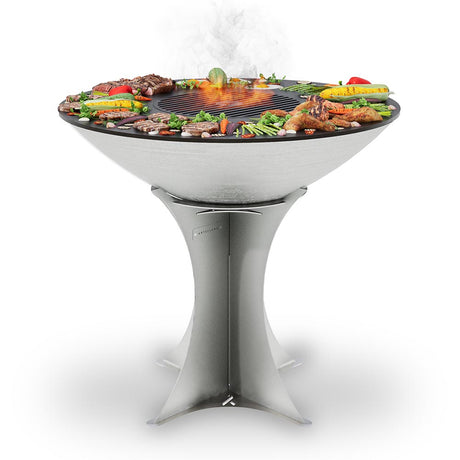

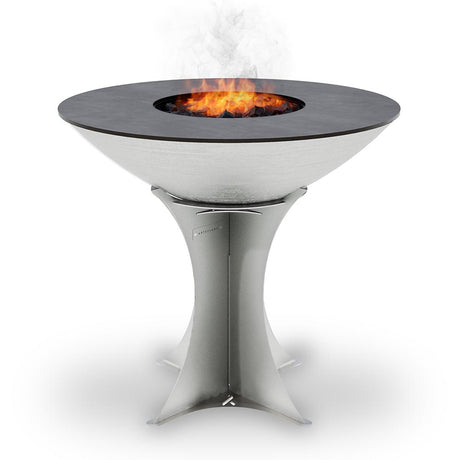


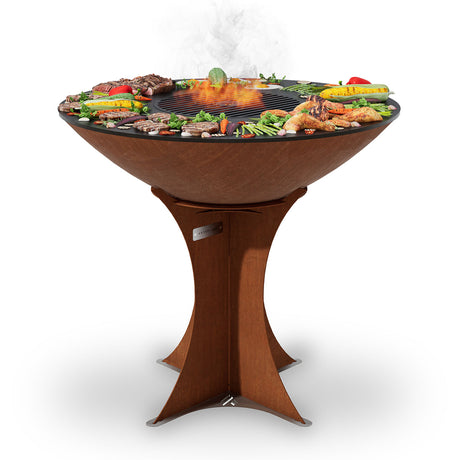
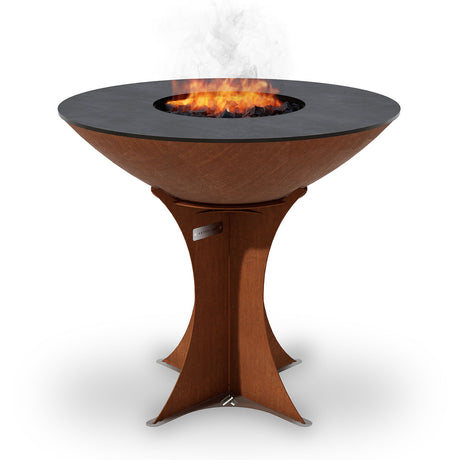


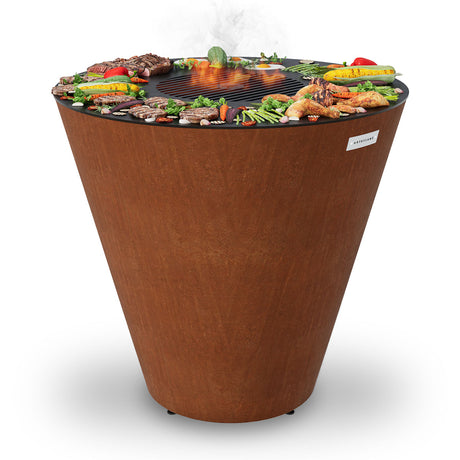


Arteflame One Series 40″ — XXL Flat-Top Charcoal Grill & Fire Bowl (Single-Piece CORTEN Body)
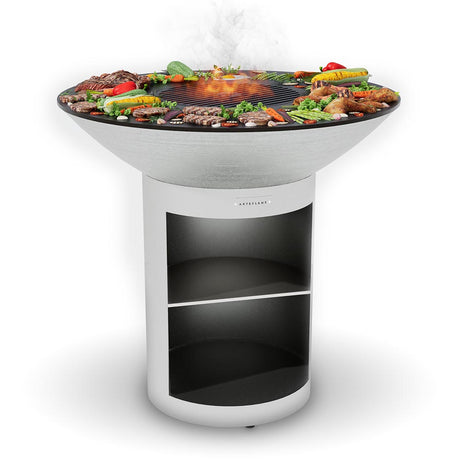
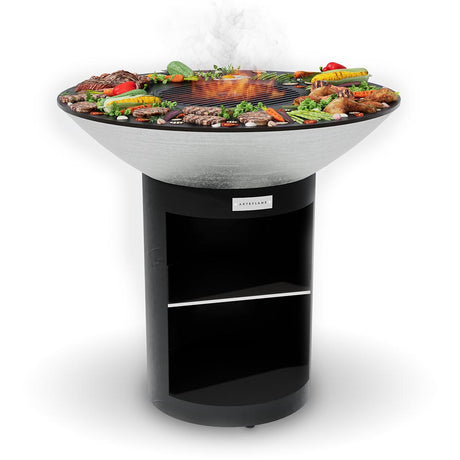
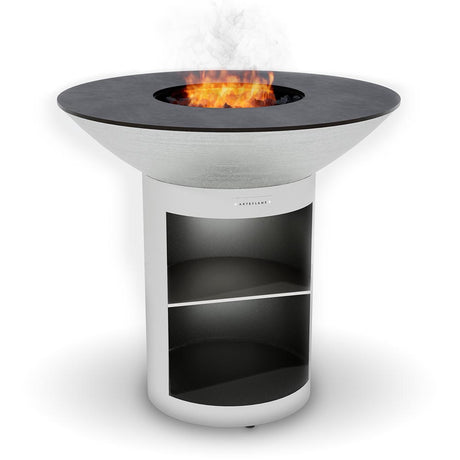


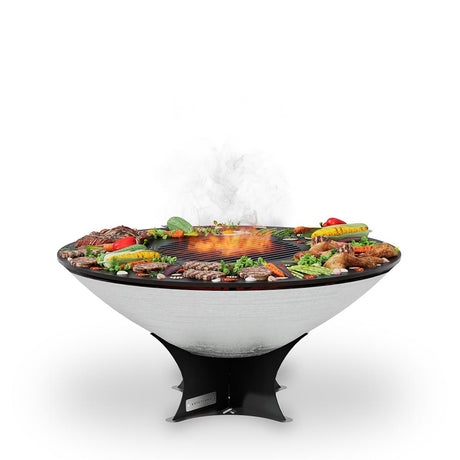
Arteflame 40″ Platinum Series — Stainless Fire Bowl Flat-Top Grill with Storage Base

Arteflame Classic 40″ — Storage Base Flat-Top Grill & Fire Bowl (CORTEN Steel)
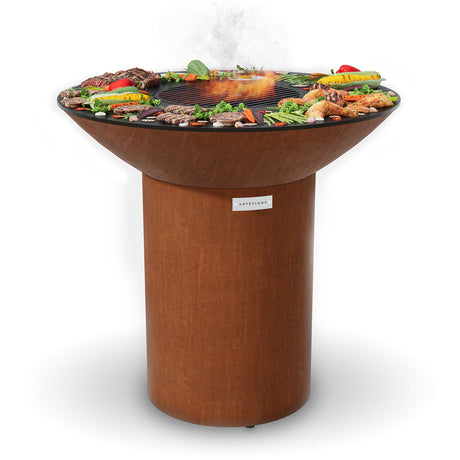
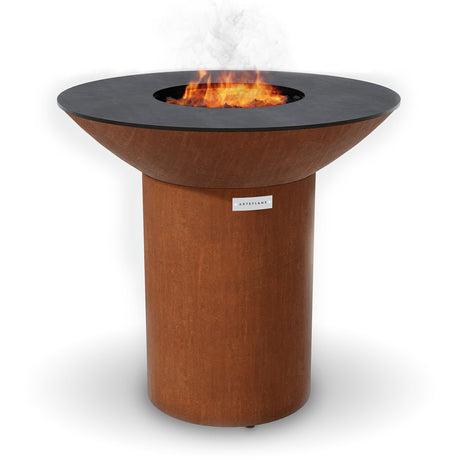
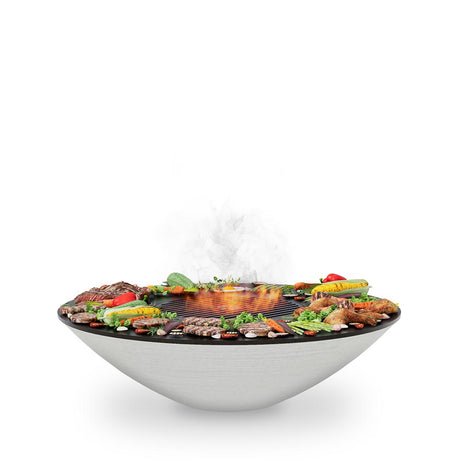
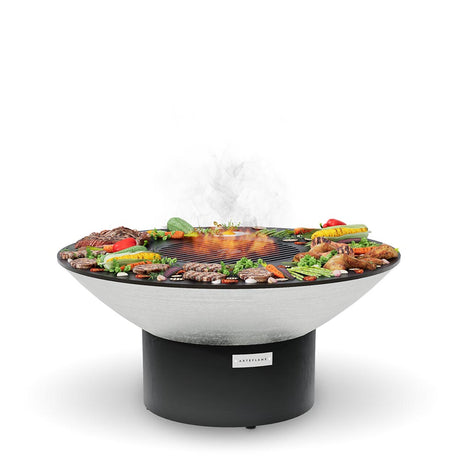
Arteflame Classic 40″ — Round Base Flat-Top Grill & Fire Bowl (CORTEN Steel)
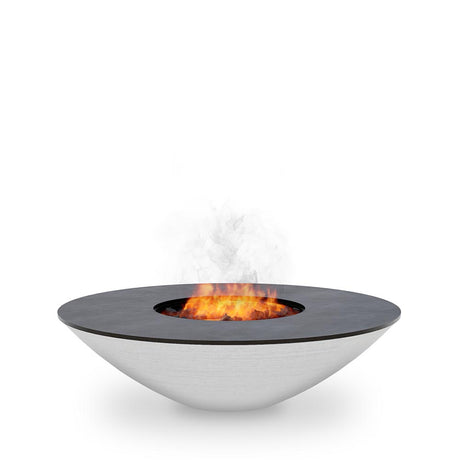
Learn the best veggies for grilling—plus times, temps, and pro tips—optimized for Arteflame heat zones for perfect char and flavor every time.

Transform classic apple pie into a handheld delight with these Wyoming Apple Cinnamon Grilled Dessert Wraps. perfectly crispy, caramelized, and cooked on the Arteflame grill for a smoky finish.

Experience the rustic taste of the West with this Wyoming Campfire Blueberry Cobbler recipe for the Arteflame grill. Featuring bubbling blueberries and a golden biscuit crust cooked in cast iron,...

Experience the rugged flavor of the American West with these Wyoming Wild Boar Chops. Seared to perfection on the Arteflame grill, this recipe uses a savory juniper and sage rub...

Elevate your BBQ with these Wyoming-style grilled carrots. Sweet honey, tangy balsamic, and a perfect char make this the ultimate side dish for your Arteflame grill. Easy, healthy, and packed...

Unleash the flavor of the American West with these tender Wyoming Teriyaki Bison Skewers. Featuring a homemade savory-sweet glaze and perfectly charred vegetables, this recipe maximizes the searing power of...

Unlock the savory flavors of the West with this Wyoming-style garlic parmesan grilled mushrooms recipe. Perfectly seared on the Arteflame flat top, these buttery, cheesy mushrooms make the ultimate side...

Unlock the bold flavors of the West with this Wyoming-style grilled jalapeño cheddar sausage recipe. Learn how to achieve the perfect sear and juicy interior using your Arteflame grill for...