
Best Grilled Vegetables: Charred & Crispy Guide | Arteflame
Learn the best veggies for grilling—plus times, temps, and pro tips—optimized for Arteflame heat zones for perfect char and flavor every time.

 4.9
4.9

There is something magical about the alchemy of reducing wine on the stove. When that sharp, boozy scent mellows into a deep, savory aroma, you know something delicious is happening. This Red Wine Reduction Sauce is liquid gold—glossy, velvety, and packed with an intense depth that instantly transforms a simple Tuesday night steak into a bistro-quality experience. It is the kind of culinary secret weapon that smells like a special occasion but is easy enough to whip up while your meat rests.
I adore this recipe because it delivers gourmet results with minimal effort. It bridges the gap between humble home cooking and fine dining without requiring a culinary degree. Plus, it is incredibly forgiving; whether you are searing a ribeye on the grill or roasting hearty mushrooms, this sauce ties everything together with a luxurious, buttery finish that feels like a warm hug on a plate.
If you find yourself out of beef broth, chicken stock or vegetable broth works surprisingly well for a lighter, cleaner flavor profile. For a non-alcoholic version, you can swap the red wine for pomegranate juice or high-quality grape juice mixed with a splash of vinegar to mimic that essential acidity.
A great reduction sauce depends on patience and high‑quality ingredients. Allowing the liquid to reduce slowly helps intensify both the aroma and flavor. Choose a red wine you would enjoy drinking, since its flavor becomes more concentrated as it cooks. For extra depth, consider using homemade broth or fresh herbs. Avoid over‑seasoning too early, as the reduction process can make flavors stronger than expected. When finishing the sauce, whisking in cold butter at the end adds a silky texture and restaurant‑style sheen.
This versatile reduction sauce can be adapted to match any meal or flavor preference. Small changes in liquid, herbs, or aromatics can shift the entire character of the sauce, making it ideal for experimentation. Whether you prefer something sweeter, smokier, or more herbaceous, these variations let you customize the sauce to your dish.
This red wine reduction sauce pairs beautifully with hearty, rich, or smoky dishes, making it a versatile addition to both grilled and roasted meals. Its deep flavor complements proteins particularly well, but it can also enhance vegetables and plant‑based dishes with ease. Serve it warm for the best texture and taste.
A well‑crafted red wine reduction sauce adds elegance and depth to any meal, bringing together simple ingredients in a way that feels distinctly gourmet. Its bold flavor profile and silky texture make it a perfect finishing touch for everything from grilled meats to vegetable dishes. With a little time and care, this sauce becomes a reliable go‑to for elevating everyday cooking.
Whether you're grilling outdoors or preparing a special dinner at home, this reduction sauce offers complexity, versatility, and unmatched flavor. Mastering it opens the door to endless pairing possibilities and enhances your overall cooking experience.

Experience the Arteflame difference — 1,000°F searing, true wood-fired flavor, and a wide cooktop with multiple heat zones all in one beautiful grill. Cook everything at once, control every temperature with ease, and transform every outdoor gathering. Discover how Arteflame elevates the art of grilling.
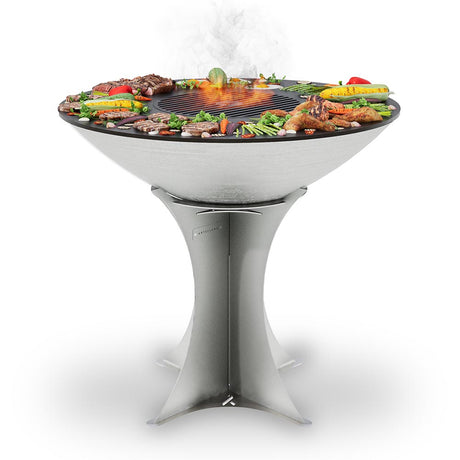

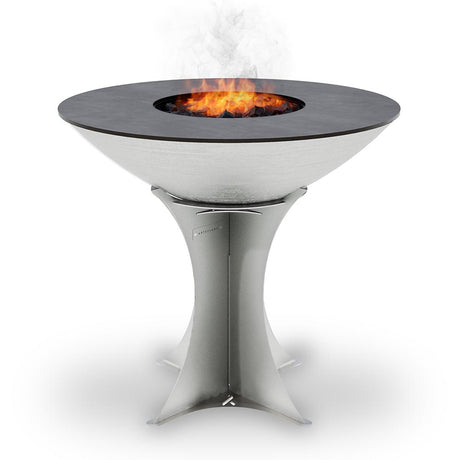




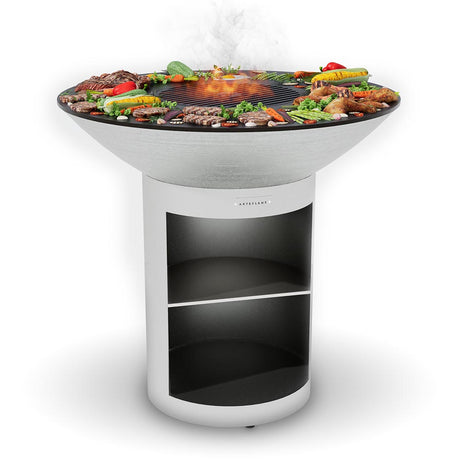
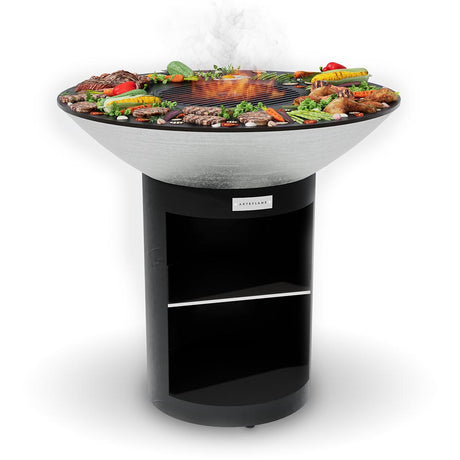
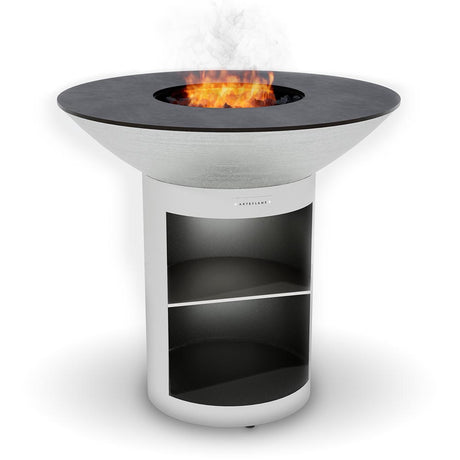


Arteflame 40″ Platinum Series — Stainless Fire Bowl Flat-Top Grill with Storage Base
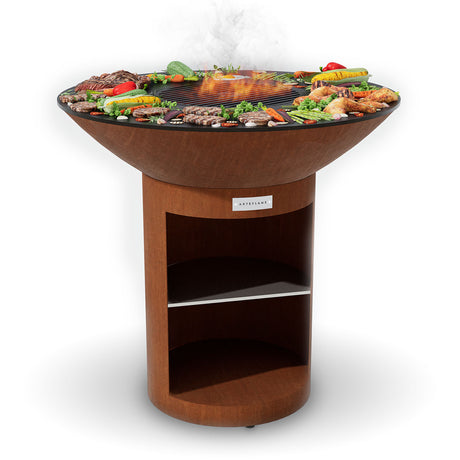
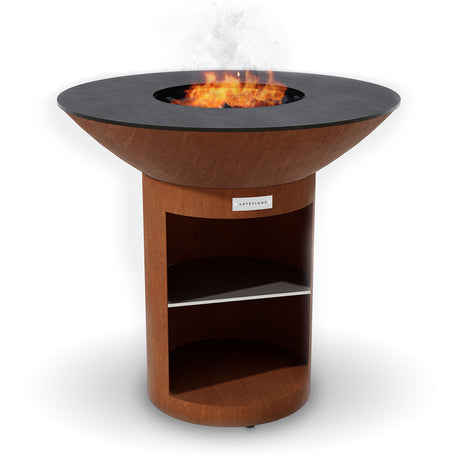


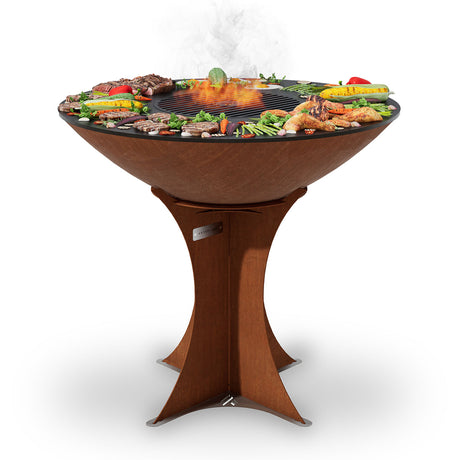
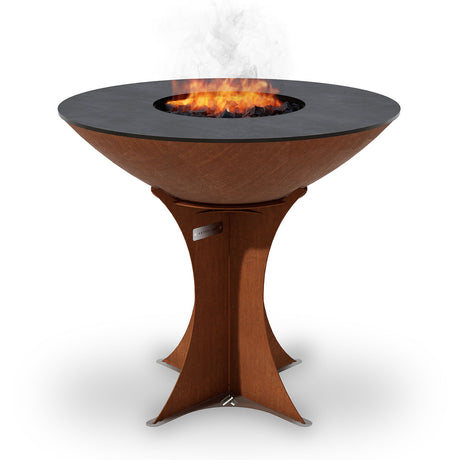
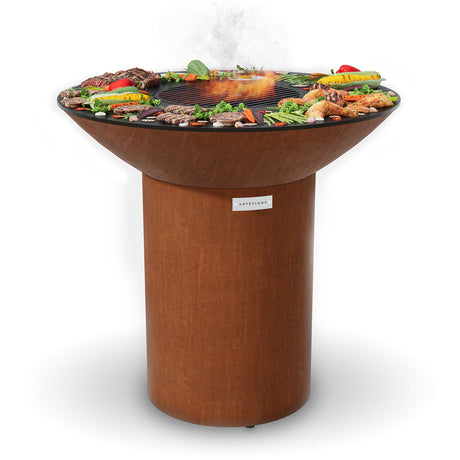
Arteflame Classic 40″ — Storage Base Flat-Top Grill & Fire Bowl (CORTEN Steel)
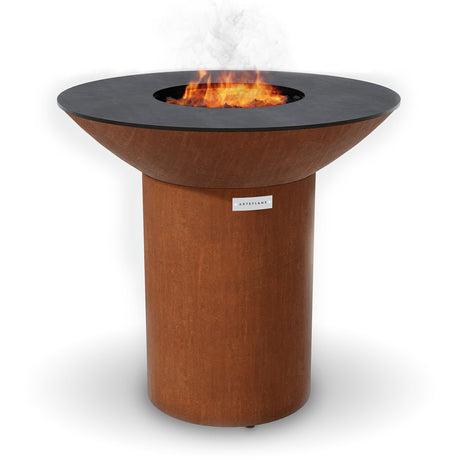
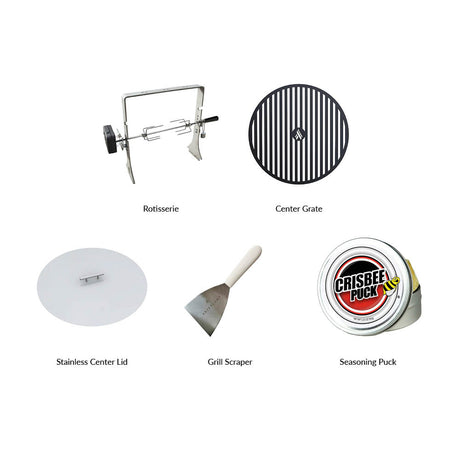
Arteflame Classic 40″ — Round Base Flat-Top Grill & Fire Bowl (CORTEN Steel)
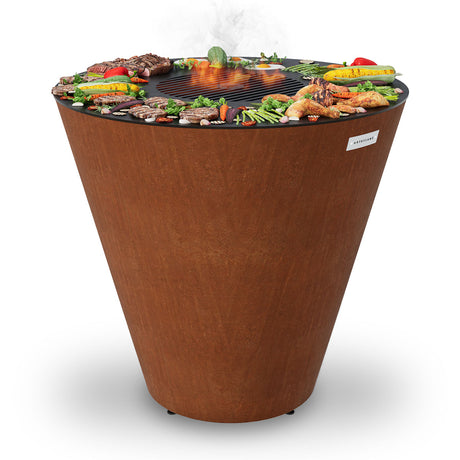
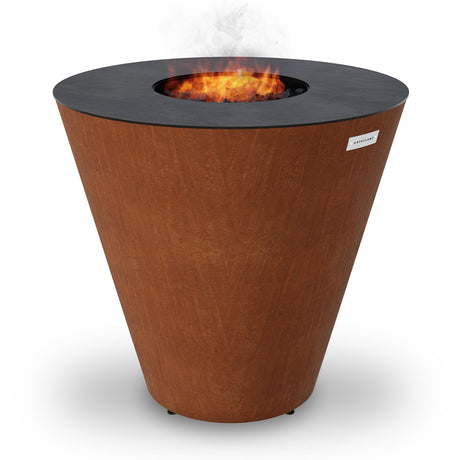


Arteflame One Series 40″ — XXL Flat-Top Charcoal Grill & Fire Bowl (Single-Piece CORTEN Body)
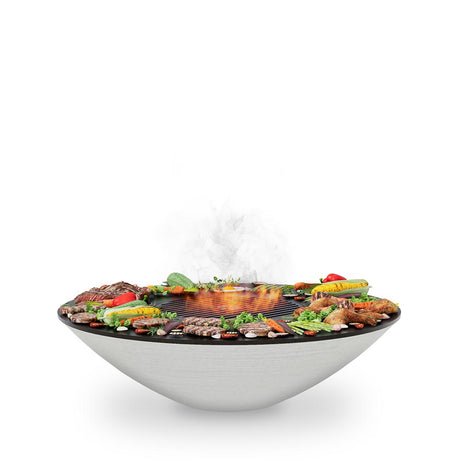
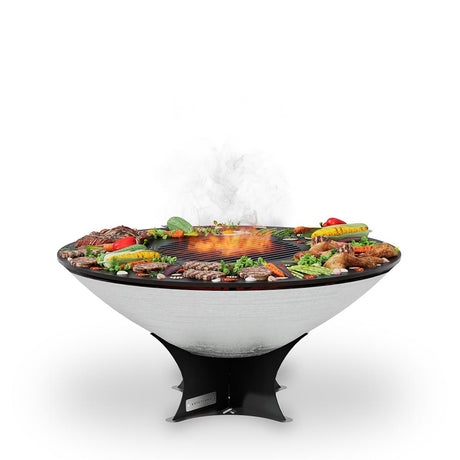
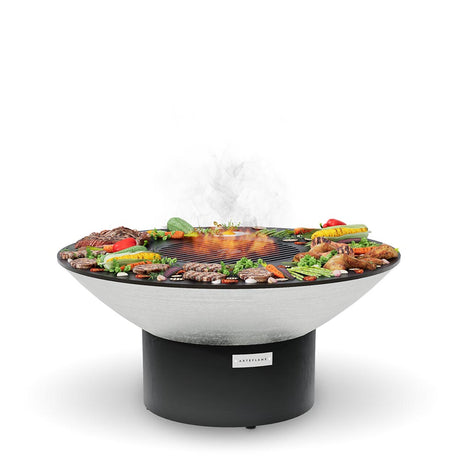
Learn the best veggies for grilling—plus times, temps, and pro tips—optimized for Arteflame heat zones for perfect char and flavor every time.

Transform classic apple pie into a handheld delight with these Wyoming Apple Cinnamon Grilled Dessert Wraps. perfectly crispy, caramelized, and cooked on the Arteflame grill for a smoky finish.

Experience the rustic taste of the West with this Wyoming Campfire Blueberry Cobbler recipe for the Arteflame grill. Featuring bubbling blueberries and a golden biscuit crust cooked in cast iron,...

Experience the rugged flavor of the American West with these Wyoming Wild Boar Chops. Seared to perfection on the Arteflame grill, this recipe uses a savory juniper and sage rub...

Elevate your BBQ with these Wyoming-style grilled carrots. Sweet honey, tangy balsamic, and a perfect char make this the ultimate side dish for your Arteflame grill. Easy, healthy, and packed...

Unleash the flavor of the American West with these tender Wyoming Teriyaki Bison Skewers. Featuring a homemade savory-sweet glaze and perfectly charred vegetables, this recipe maximizes the searing power of...

Unlock the savory flavors of the West with this Wyoming-style garlic parmesan grilled mushrooms recipe. Perfectly seared on the Arteflame flat top, these buttery, cheesy mushrooms make the ultimate side...

Unlock the bold flavors of the West with this Wyoming-style grilled jalapeño cheddar sausage recipe. Learn how to achieve the perfect sear and juicy interior using your Arteflame grill for...