
Crisp and Golden Mac and Cheese Cakes on the Grill
Turn yesterday's leftover macaroni into today's crispy, golden side dish with this easy wood-fired recipe.


There is a distinct, satisfying crunch that defines Dutch comfort food—a golden breaded shell shattering to reveal a steaming, velvety beef ragout. Bitterballen are the undisputed kings of "borrel," the cozy Dutch tradition of gathering for drinks and savory bites. Making these on the Arteflame adds a fantastic outdoor element, turning the frying process into a social event while keeping your kitchen splatter-free. They are rich, creamy, and undeniably festive.
This dish is the definition of high-effort reward. While it takes patience to chill the filling, the result is a gourmet appetizer that outperforms any frozen snack. The combination of nutmeg-spiced beef and the sharp bite of mustard is timeless. It is the perfect way to repurpose leftover roast, turning yesterday’s dinner into today’s party star.
No roast beef? Ground beef browned deeply works well. For a lighter crunch, swap standard breadcrumbs for Panko.
The secret to the perfect bitterbal lies in the consistency of the ragout. If your filling is too soft, it will be impossible to roll; if it is too hard, the mouthfeel won't be right. Do not rush the cooling process—the mixture needs to be stiff like cold butter before you attempt to shape it. Using soaked gelatin sheets is a professional trick that helps stabilize the ragout while it is cold, making it easy to roll, but melts into luscious creaminess once heated. Furthermore, when frying outdoors on your Arteflame, wind can affect the temperature of your oil. Keep a close eye on your thermometer. If the oil temperature drops below 350°F, the breadcrumbs will absorb oil rather than searing shut, resulting in a soggy snack. Always fry in small batches to maintain thermal mass.
While the traditional beef ragout is the classic standard, the concept of the bitterbal is incredibly versatile. You can adapt the filling to suit various dietary preferences or flavor profiles while keeping the method the same. Experimenting with different proteins or vegetarian bases can turn this snack into a unique culinary surprise for your guests. Here are a few popular twists on the classic recipe:
Bitterballen are rarely eaten alone; they are designed to be a social food that complements specific beverages. The rich, fatty, and savory nature of the fried ragout requires acidic or carbonated partners to cleanse the palate. The absolute non-negotiable pairing is a side of savory yellow mustard. You do not want a sweet honey mustard; you want a sharp, tangy mustard to cut through the richness of the deep-fried crust and creamy interior.
Mastering the Dutch Bitterbal on your Arteflame grill is a rewarding culinary project that brings a taste of European heritage to your backyard. There is something incredibly satisfying about biting through that impeccably crunchy shell into the smooth, savory ragout that you made from scratch. It elevates the standard outdoor appetizer into a gourmet experience. These treats are best enjoyed piping hot, dipped generously in mustard, and shared with friends and family while gathered around the warmth of the fire. So, gather your ingredients, fire up the grill, and get ready to impress your guests with the ultimate Dutch comfort food.

Experience the difference — sear at 1,000°F, enjoy multiple heat zones, and cook with natural wood-fired flavor on one beautiful grill. Prepare everything at once, manage temperatures with ease, and elevate every outdoor gathering. Discover why an Arteflame transforms the entire grilling experience.
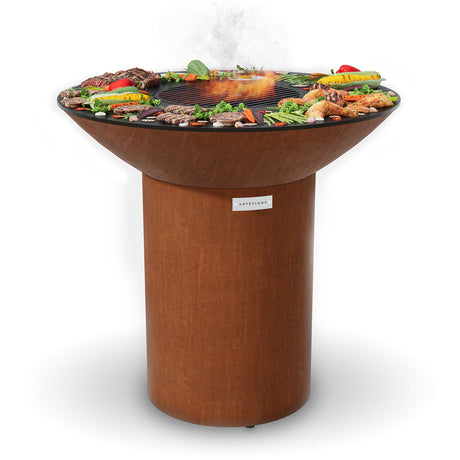
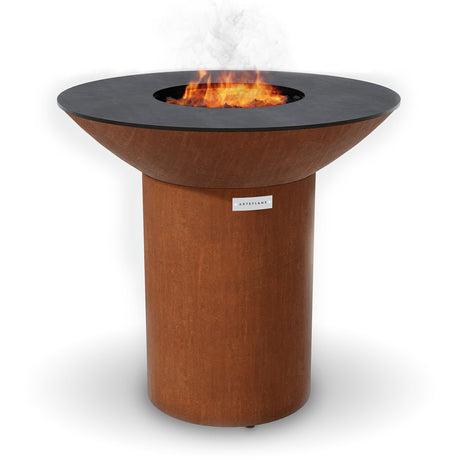


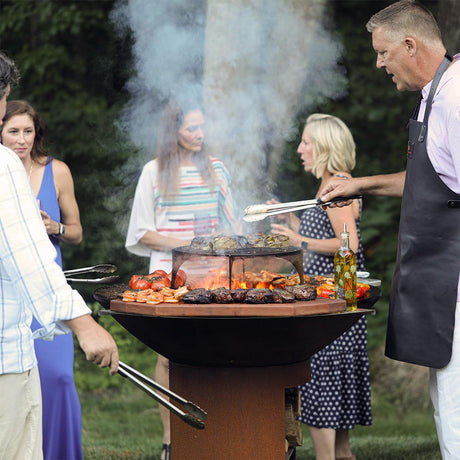







Turn yesterday's leftover macaroni into today's crispy, golden side dish with this easy wood-fired recipe.

Master this Texas-style open-fire brisket cooked entirely on the Arteflame grill. By searing on the center grate and wrapping to render on the flat top, you get perfectly tender, juicy...

Transform standard thick-cut bacon into a sweet, savory appetizer with a dark stout and brown sugar glaze, perfectly caramelized on a flat-top grill.

Render the perfect crispy skin with these Sichuan Peppercorn Duck Breasts, paired with a smoky, sweet, and spicy charred plum-poblano sauce.

Tender artichoke halves charred over high heat and smothered in rich garlic butter and Parmesan cheese.

Achieve the ultimate crust with this low-and-slow beef brisket recipe, utilizing natural heat zones for a perfect sear and incredibly tender finish.

Transform the trending crispy rice paper dumplings into a wood-fired masterpiece. Cooked on the Arteflame flat steel griddle for a shatteringly crisp crust and savory, high-protein filling.

Elevate albacore tuna with a steakhouse-style bacon wrap and a decadent green peppercorn cream sauce, grilled flawlessly on a flat-top.
Inspired to Grill?
Love it? Tell us — rate this recipe in 2 seconds. Tap a star below.