
Best Grilled Vegetables: Charred & Crispy Guide | Arteflame
Learn the best veggies for grilling—plus times, temps, and pro tips—optimized for Arteflame heat zones for perfect char and flavor every time.

 4.9
4.9

There is a specific magic that happens when duck fat hits a hot griddle—the aroma is intoxicating, a mix of savory richness and wood-fired smoke. Slicing into a perfectly grilled Long Island duck breast reveals a rosy, tender center encased in a shell of golden, crackling skin. It feels like a celebration on a plate, bringing the sophistication of a French bistro right to your outdoor kitchen. Whether it is a crisp autumn evening or a sunny summer afternoon, this dish sets a mood of rustic elegance.
What makes this recipe a staple in my backyard isn't just the flavor—it's how the Arteflame transforms a usually intimidating protein into a stress-free joy. The flat cooktop manages the rendering fat perfectly, meaning no dangerous flare-ups, just consistent, steakhouse-quality searing. It is elegant enough for a special anniversary dinner yet rugged enough for a casual weekend cookout. Plus, the distinct heat zones allow you to sear the skin hard while gently bringing the meat to temperature.
If you cannot find Long Island duck, Muscovy duck breasts are a fantastic, leaner alternative. For the glaze, feel free to substitute the orange juice with pineapple juice for a tropical twist that pairs beautifully with the smoke.
The most critical aspect of grilling duck is managing the fat layer. Long Island ducks have a thick layer of subcutaneous fat that must be rendered out to avoid a chewy, greasy texture. The scoring step is non-negotiable; it opens up channels for the fat to escape and baste the meat as it cooks. When cooking on the Arteflame, utilize the flat cooktop's gradient heat. Start the duck further away from the center fire to allow the fat to render slowly without burning the skin. If you see flare-ups or excessive smoke, simply slide the meat to a cooler zone. Finally, never skip the resting period. Duck breast acts like a steak; cutting it too soon will result in all the delicious juices running out onto the board rather than staying in the meat where they belong.
Duck is incredibly versatile and pairs well with both sweet and savory profiles. While the classic salt and pepper preparation allows the natural, gamey flavor to shine, you can easily customize this dish to suit your palate or the season. The richness of the meat can handle bold spices and acidic glazes. Here are a few ways to mix up the flavor profile while using the same grilling technique:
To complete this gourmet meal, you need sides and beverages that can stand up to the richness of the waterfowl. Since duck is naturally fatty and savory, acidic, fruity, or earthy sides work best to cut through the richness and cleanse the palate. You want to avoid overly heavy, creamy sides that might make the meal feel too dense. Here are the best accompaniments for your grilled duck:
Grilling Long Island duck breast on the Arteflame isn't just cooking; it is an experience that connects you with premium ingredients and the primal art of fire. The combination of the crispy, salty skin and the tender, medium-rare meat offers a texture contrast that few other meats can provide. By following this simple yet precise method of scoring and rendering, you have unlocked the secret to restaurant-quality duck at home. Impress your guests and savor every bite of this luxurious dish. Now that you have mastered the technique, the possibilities for flavor experiments are endless. Fire up the grill, pour a glass of wine, and enjoy the satisfaction of a perfectly executed meal.

Experience the Arteflame difference — 1,000°F searing, multiple heat zones, and true wood-fired flavor in one striking grill. Cook everything at once with total temperature control and enjoy a more intentional, elevated outdoor cooking experience. Discover why an Arteflame isn’t just a grill — it transforms the way you cook.
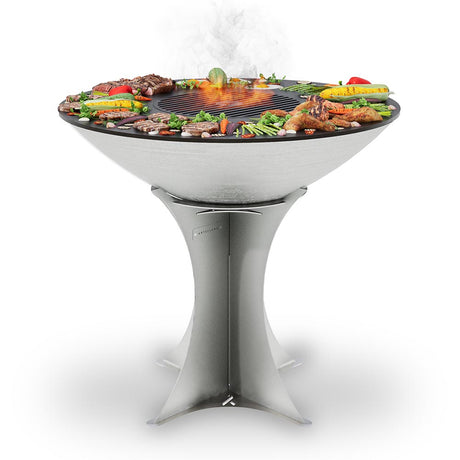

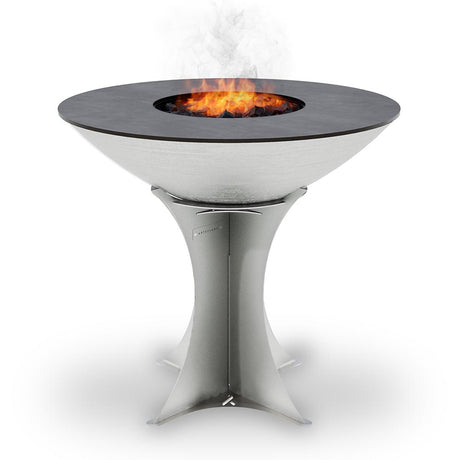


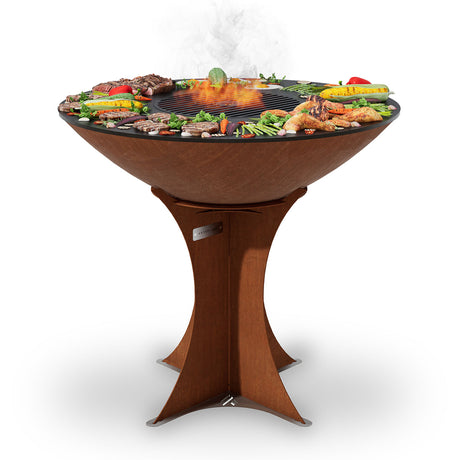
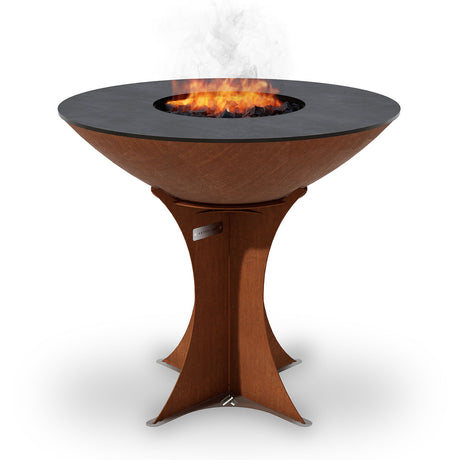


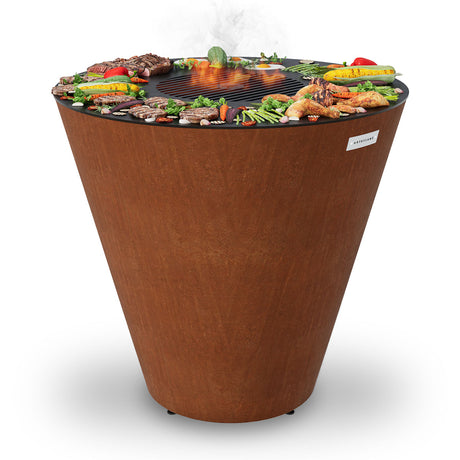


Arteflame One Series 40″ — XXL Flat-Top Charcoal Grill & Fire Bowl (Single-Piece CORTEN Body)
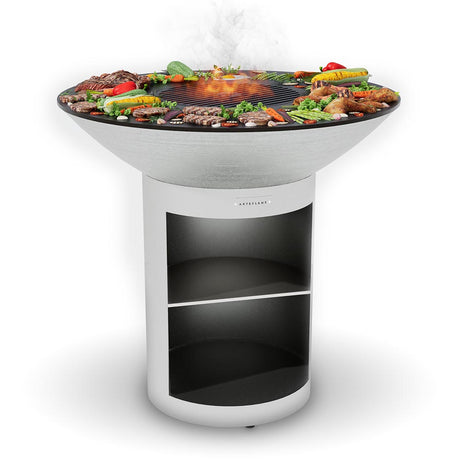
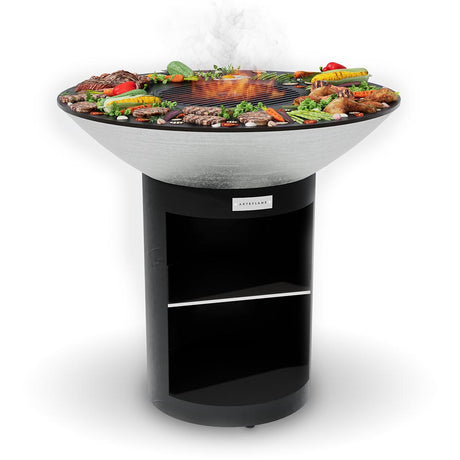
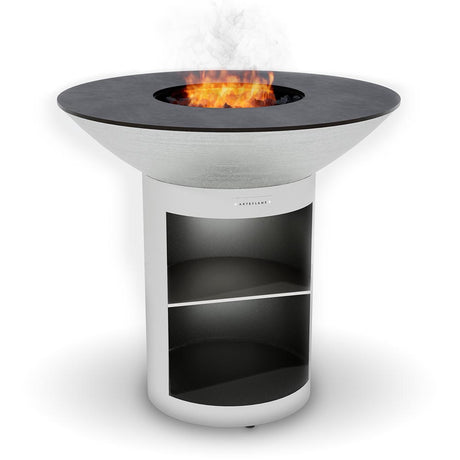


Arteflame 40″ Platinum Series — Stainless Fire Bowl Flat-Top Grill with Storage Base
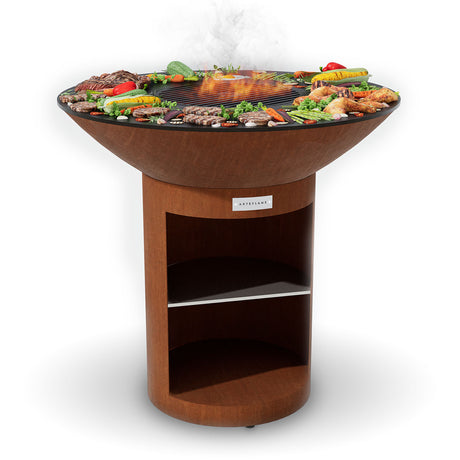
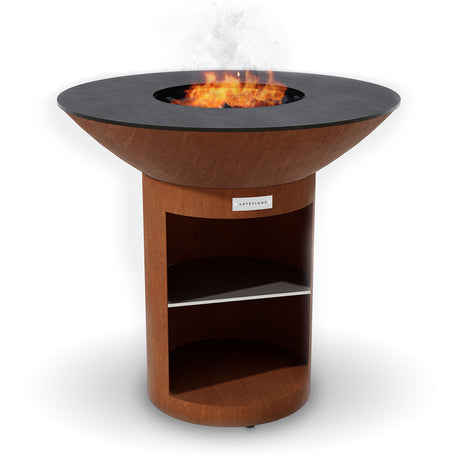

Arteflame Classic 40″ — Storage Base Flat-Top Grill & Fire Bowl (CORTEN Steel)
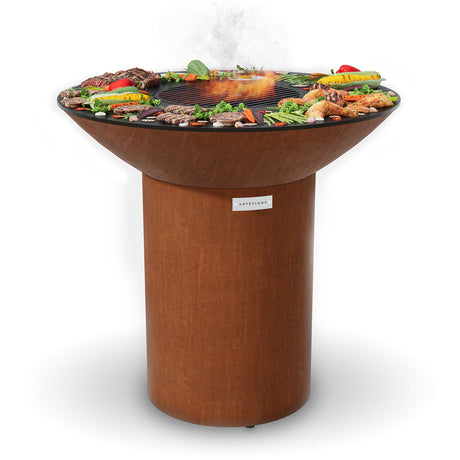
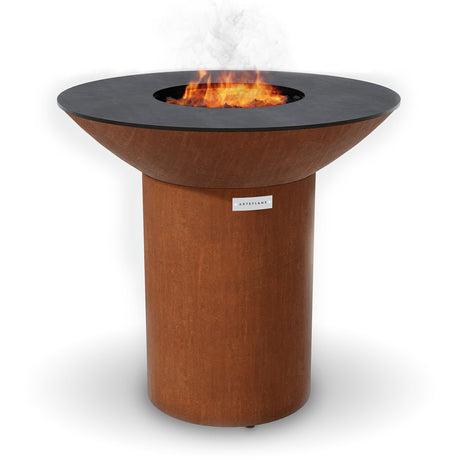
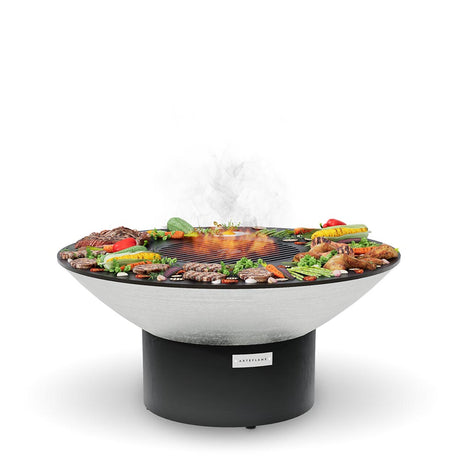
Arteflame Classic 40″ — Round Base Flat-Top Grill & Fire Bowl (CORTEN Steel)
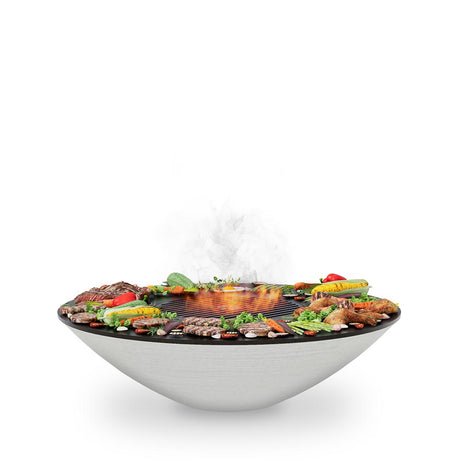
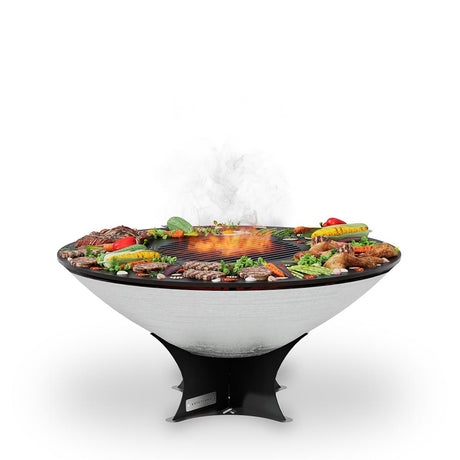
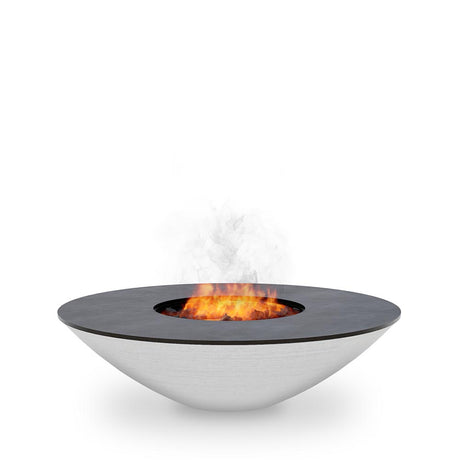
Learn the best veggies for grilling—plus times, temps, and pro tips—optimized for Arteflame heat zones for perfect char and flavor every time.

Transform classic apple pie into a handheld delight with these Wyoming Apple Cinnamon Grilled Dessert Wraps. perfectly crispy, caramelized, and cooked on the Arteflame grill for a smoky finish.

Experience the rustic taste of the West with this Wyoming Campfire Blueberry Cobbler recipe for the Arteflame grill. Featuring bubbling blueberries and a golden biscuit crust cooked in cast iron,...

Experience the rugged flavor of the American West with these Wyoming Wild Boar Chops. Seared to perfection on the Arteflame grill, this recipe uses a savory juniper and sage rub...

Elevate your BBQ with these Wyoming-style grilled carrots. Sweet honey, tangy balsamic, and a perfect char make this the ultimate side dish for your Arteflame grill. Easy, healthy, and packed...

Unleash the flavor of the American West with these tender Wyoming Teriyaki Bison Skewers. Featuring a homemade savory-sweet glaze and perfectly charred vegetables, this recipe maximizes the searing power of...

Unlock the savory flavors of the West with this Wyoming-style garlic parmesan grilled mushrooms recipe. Perfectly seared on the Arteflame flat top, these buttery, cheesy mushrooms make the ultimate side...

Unlock the bold flavors of the West with this Wyoming-style grilled jalapeño cheddar sausage recipe. Learn how to achieve the perfect sear and juicy interior using your Arteflame grill for...