
Best Grilled Vegetables: Charred & Crispy Guide | Arteflame
Learn the best veggies for grilling—plus times, temps, and pro tips—optimized for Arteflame heat zones for perfect char and flavor every time.

 4.8
4.8

There is a specific, mouthwatering aroma that drifts across the high deserts of Nevada—a mix of smoky Spanish paprika, sizzling garlic, and open fire. This Basque Chorizo sandwich isn't just lunch; it’s a sensory ticket to the American West, where Basque sheepherders turned simple ingredients into legendary feasts. The snap of the casing against the heat and the crunch of a roll toasted in rendered fat creates a rustic perfection that demands to be eaten outdoors with good company.
I adore this recipe because it transforms a humble sausage into a gourmet experience using the unique capabilities of the Arteflame. The solid steel cooktop mimics the cast-iron skillets of the old sheep camps, allowing the chorizo to sear beautifully without losing its juices to the fire. It is bold, incredibly fast to whip up, and the way the bread soaks up that spicy, garlicky oil is honestly life-changing.
If you cannot find authentic semi-cured Basque chorizo, look for a high-quality fresh Andouille or a Mexican chorizo that is encased (not loose). Just ensure it has a high fat content to get that signature sear and dip for the bread.
Cooking Basque chorizo on an Arteflame requires managing your heat zones effectively to prevent the casing from bursting before the inside is cooked. The beauty of the Arteflame is the heat gradient; start the sausages closer to the center to get that initial sear, then roll them outward to finish cooking gently. This ensures the meat remains juicy rather than drying out. Furthermore, do not skip the step of toasting the buns in the residual chorizo oil. This is a technique often used in Basque boarding houses to ensure no flavor goes to waste. If you cannot find specific Basque chorizo, look for a sausage that is heavy on paprika and garlic, but ensure it is a cooking sausage, not a dried salami style, as you need the fat to render out for the full experience.
While the traditional Nevada style is often eaten simply with garlic and bread, modern interpretations allow for delicious creativity. You can adapt this recipe to suit different meals, from a hearty breakfast to a savory dinner. Here are a few ways to mix it up:
To truly embrace the Nevada Basque experience, your drink pairings should be as robust as the food. The saltiness and paprika spice of the chorizo require beverages that can cleanse the palate or stand up to the bold flavors. In traditional Basque dining halls, the meal is a marathon, not a sprint, so the drink accompanies the conversation as much as the food.
There is something primal and satisfying about grilling Basque chorizo on an Arteflame. It connects you to a lineage of herders and explorers who found comfort in simple, high-quality ingredients cooked over an open fire. The combination of the smoky, paprika-rich sausage, the sweet char of the peppers, and the crunch of an oil-toasted bun creates a symphony of textures and flavors that is hard to beat. Whether you are hosting a backyard barbecue or just looking for a quick, flavorful meal, this Nevada-style sandwich delivers authenticity in every bite. So, pour yourself a Picon Punch, gather your friends around the grill, and enjoy the savory traditions of the American West.

Experience the Arteflame difference — 1,000°F searing, natural wood-fired flavor, and a wide cooktop with multiple heat zones, all in one beautifully designed grill. Cook everything at once, control every temperature with ease, and elevate every outdoor moment. Discover why Arteflame transforms the way you grill.
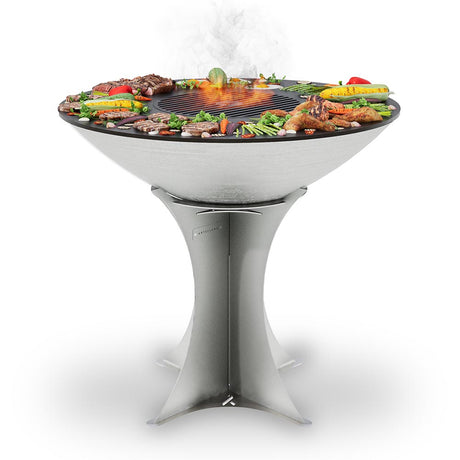





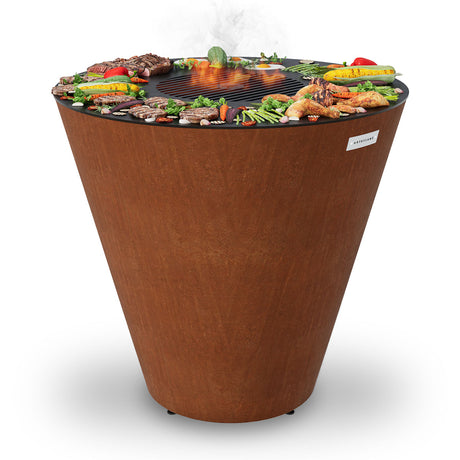


Arteflame One Series 40″ — XXL Flat-Top Charcoal Grill & Fire Bowl (Single-Piece CORTEN Body)
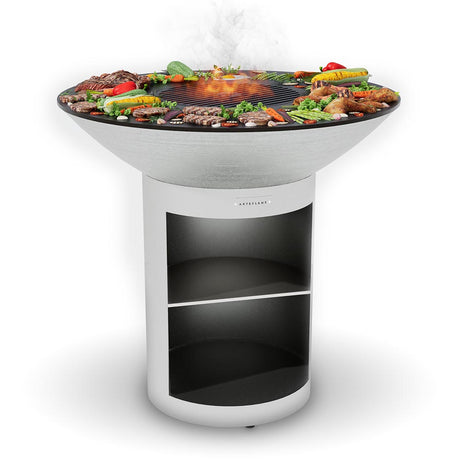
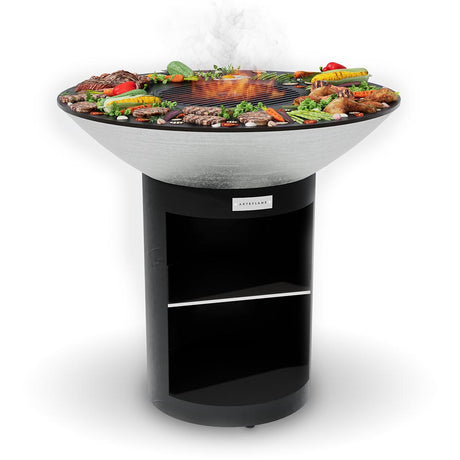
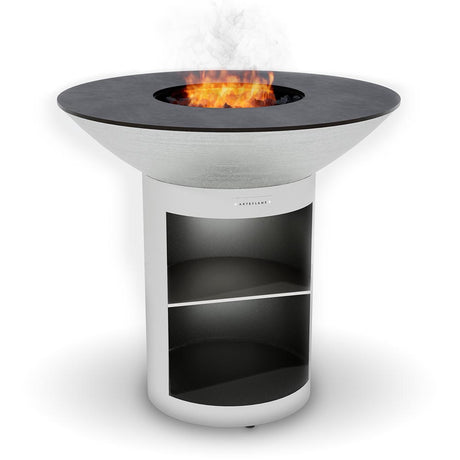


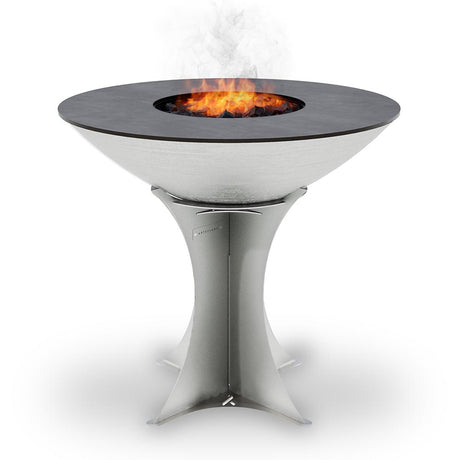
Arteflame 40″ Platinum Series — Stainless Fire Bowl Flat-Top Grill with Storage Base
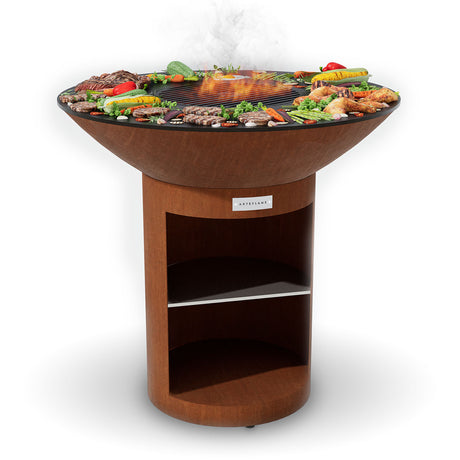
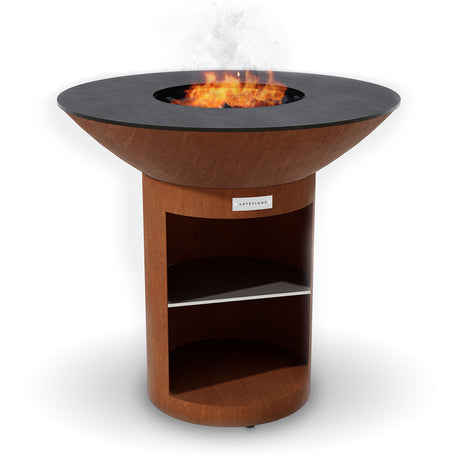
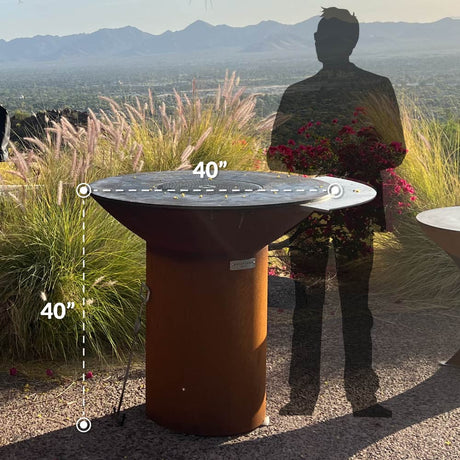
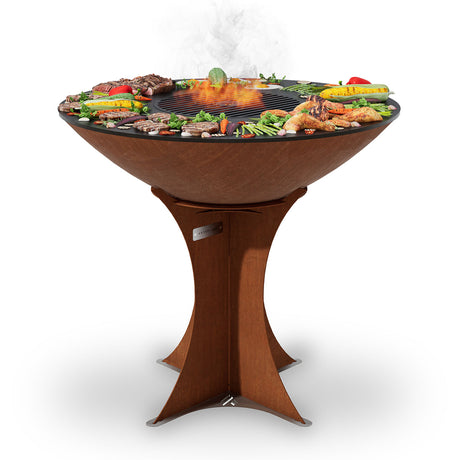
Arteflame Classic 40″ — Storage Base Flat-Top Grill & Fire Bowl (CORTEN Steel)
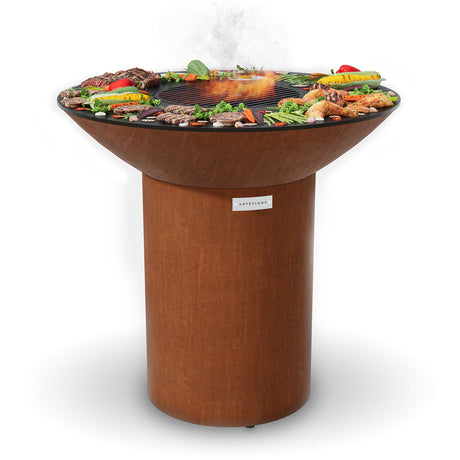
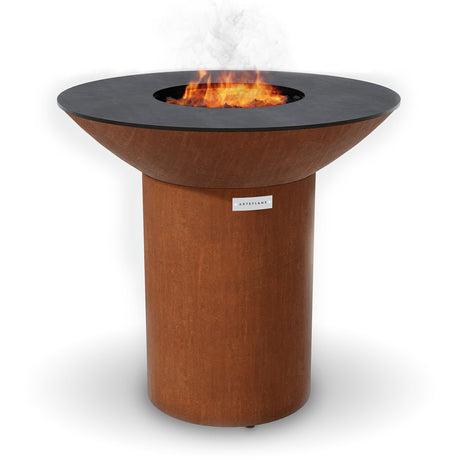
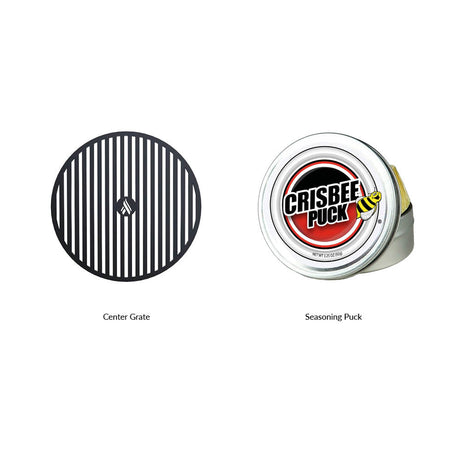
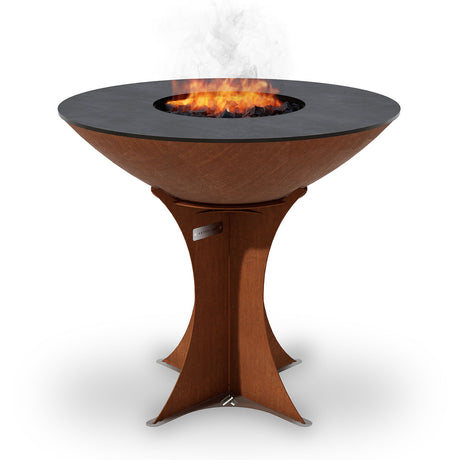
Arteflame Classic 40″ — Round Base Flat-Top Grill & Fire Bowl (CORTEN Steel)
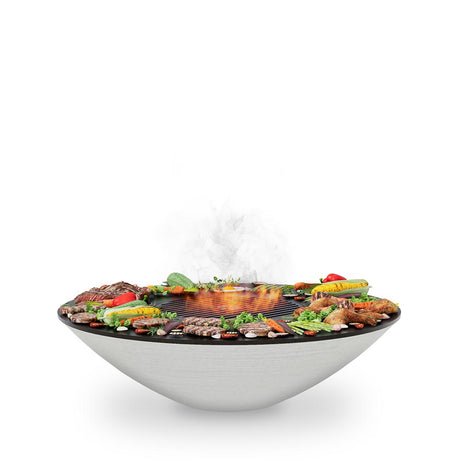
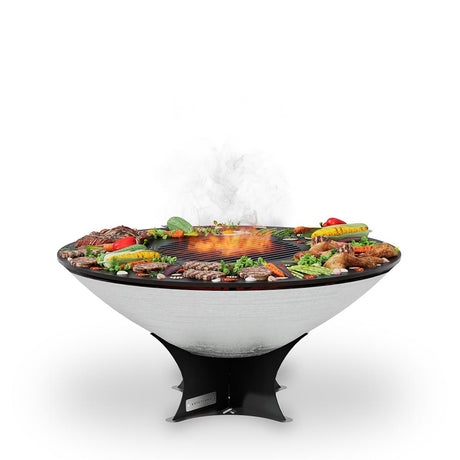
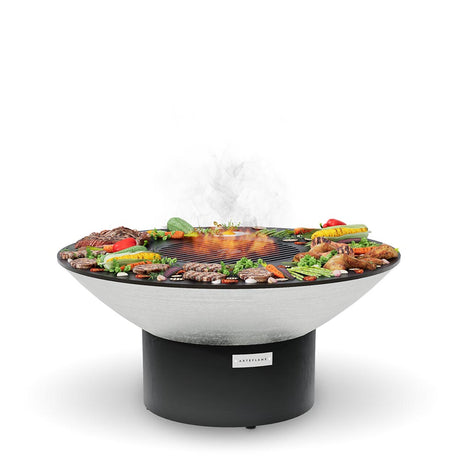
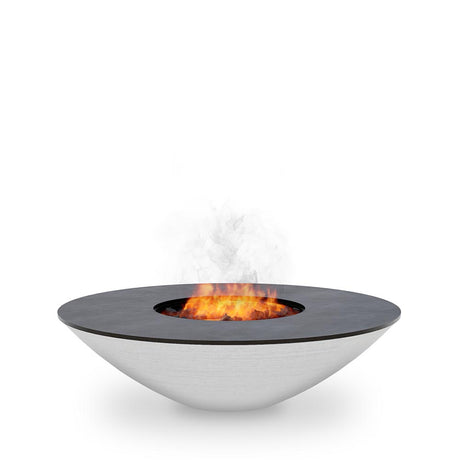
Learn the best veggies for grilling—plus times, temps, and pro tips—optimized for Arteflame heat zones for perfect char and flavor every time.

Transform classic apple pie into a handheld delight with these Wyoming Apple Cinnamon Grilled Dessert Wraps. perfectly crispy, caramelized, and cooked on the Arteflame grill for a smoky finish.

Experience the rustic taste of the West with this Wyoming Campfire Blueberry Cobbler recipe for the Arteflame grill. Featuring bubbling blueberries and a golden biscuit crust cooked in cast iron,...

Experience the rugged flavor of the American West with these Wyoming Wild Boar Chops. Seared to perfection on the Arteflame grill, this recipe uses a savory juniper and sage rub...

Elevate your BBQ with these Wyoming-style grilled carrots. Sweet honey, tangy balsamic, and a perfect char make this the ultimate side dish for your Arteflame grill. Easy, healthy, and packed...

Unleash the flavor of the American West with these tender Wyoming Teriyaki Bison Skewers. Featuring a homemade savory-sweet glaze and perfectly charred vegetables, this recipe maximizes the searing power of...

Unlock the savory flavors of the West with this Wyoming-style garlic parmesan grilled mushrooms recipe. Perfectly seared on the Arteflame flat top, these buttery, cheesy mushrooms make the ultimate side...

Unlock the bold flavors of the West with this Wyoming-style grilled jalapeño cheddar sausage recipe. Learn how to achieve the perfect sear and juicy interior using your Arteflame grill for...