
Best Grilled Vegetables: Charred & Crispy Guide | Arteflame
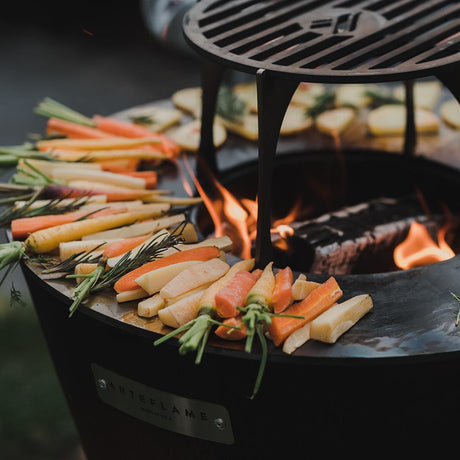
Learn the best veggies for grilling—plus times, temps, and pro tips—optimized for Arteflame heat zones for perfect char and flavor every time.

 4.8
4.8

There is something almost primitive about sinking your teeth into a perfectly smoked beef rib. The contrast between the dark, peppery mahogany bark and the meltingly tender meat beneath is the stuff of backyard legends. The scent of hardwood smoke drifting through the air instantly signals that a feast is coming, turning a standard weekend into an event to remember.
I adore this method because it captures the soul of Michigan barrel cooking using the unique versatility of the Arteflame grill. While pork ribs are great, beef ribs offer a deep, rich savoriness that feels truly decadent. It requires patience, but the hands-off nature of the smoke phase means you can actually enjoy the party while the grill does the heavy lifting.
If you are out of yellow mustard, hot sauce or even olive oil makes a great binder for the rub without altering the final taste. Also, if you can't find back ribs, plate short ribs are a fantastic, meatier alternative that cooks similarly.
Mastering beef ribs on the Arteflame requires a blend of intuition and temperature control. The most important tip for this recipe is to manage your fire; because beef ribs have a high fat content, they can withstand higher heat, but you want to avoid direct flare-ups charring the meat before it is tender. If you find the center grate is becoming too hot, move the ribs to the inner ring of the solid cooktop, which acts as a zone of indirect heat. Furthermore, do not skip the resting phase. When large cuts of beef come off the grill, the internal fibers are tight. Resting allows them to relax and reabsorb the liquid, ensuring every bite is succulent. Finally, always slice against the grain if you are doing boneless cuts, but for ribs, simply follow the bones for the perfect serving size.
While the classic Michigan salt-and-pepper forward style is a crowd-pleaser, BBQ is all about experimentation. You can easily adapt this recipe to suit different palates or dietary needs without losing the essence of the cook. If you prefer a stickier rib, you can brush on a sauce during the last 30 minutes of cooking, though this deviates slightly from the dry-rub style. Here are a few ways to mix things up:
Beef ribs are incredibly rich and fatty, which means they pair best with sides that offer acidity, crunch, or contrast to cut through the heaviness. In Michigan BBQ culture, the sides are almost as important as the meat itself. You want to build a plate that balances the smoky savory notes of the beef with something refreshing. A classic vinegar-based coleslaw is an ideal companion, as the tanginess cleanses the palate between bites. For a heartier meal, consider these options:
Cooking Michigan barrel-style beef ribs on the Arteflame grill is more than just preparing a meal; it is an experience that connects you to the elemental roots of outdoor cooking. The unique design of the Arteflame allows you to manage the smoke and heat in a way that produces professional-quality BBQ right in your own backyard. By following these steps—prepping with care, managing your fire, and allowing for a proper rest—you guarantee a result that is tender, flavorful, and unforgettable. Gather your friends, pour some drinks, and enjoy the process. These ribs are a testament to the fact that good things truly come to those who wait.

Experience the difference — sear at 1,000°F, enjoy multiple heat zones, and cook with natural wood-fired flavor on one beautiful grill. Prepare everything at once, manage temperatures with ease, and elevate every outdoor gathering. Discover why an Arteflame transforms the entire grilling experience.
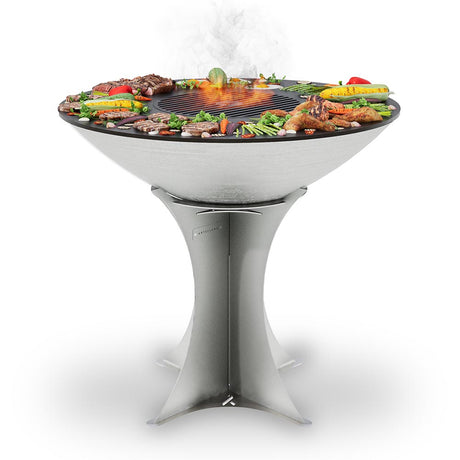





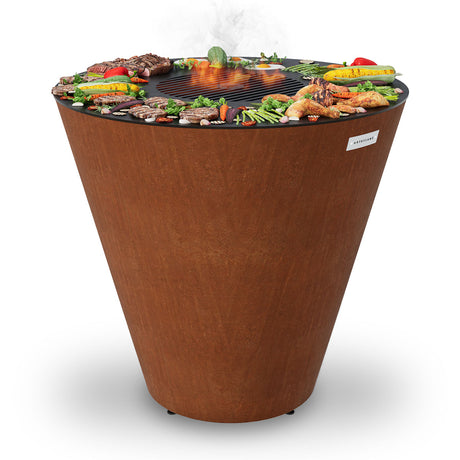


Arteflame One Series 40″ — XXL Flat-Top Charcoal Grill & Fire Bowl (Single-Piece CORTEN Body)
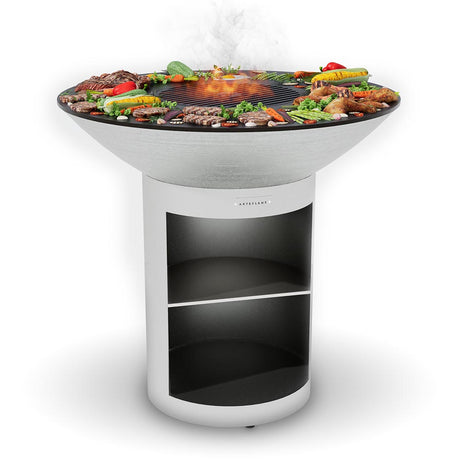
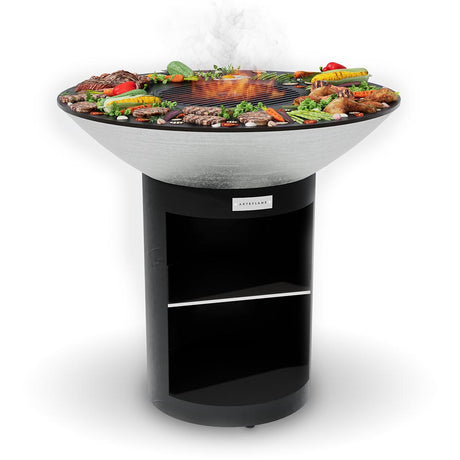
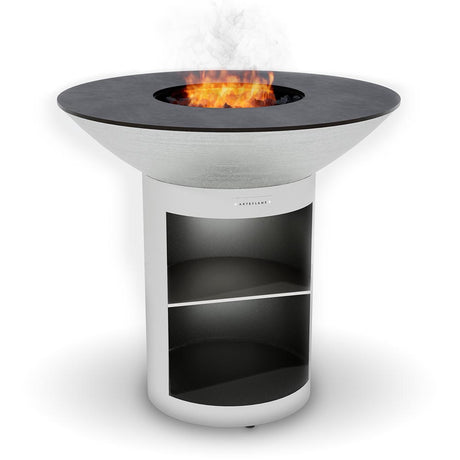


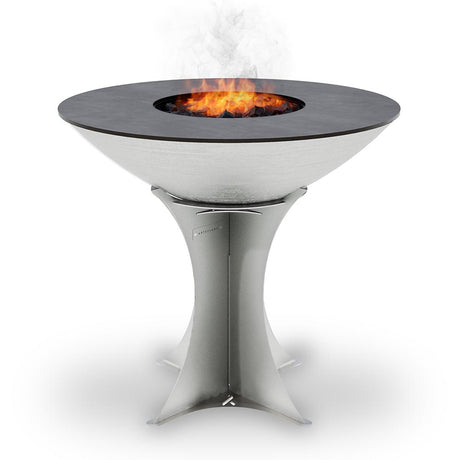
Arteflame 40″ Platinum Series — Stainless Fire Bowl Flat-Top Grill with Storage Base
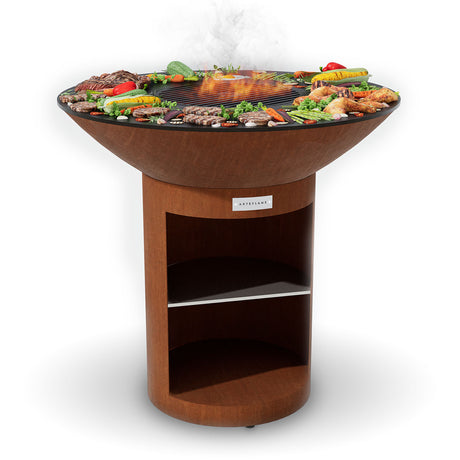
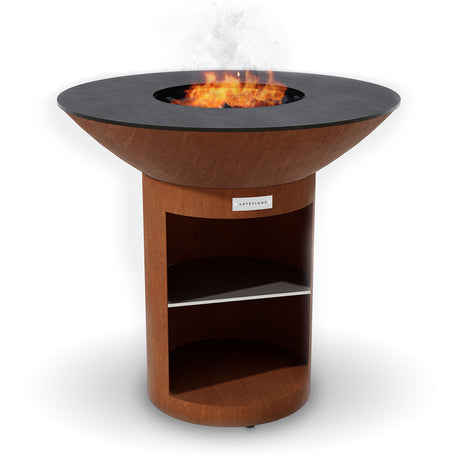
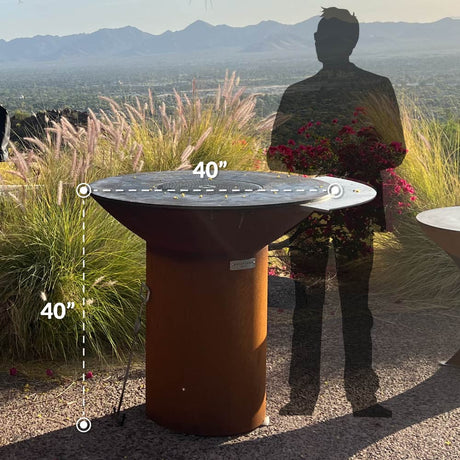
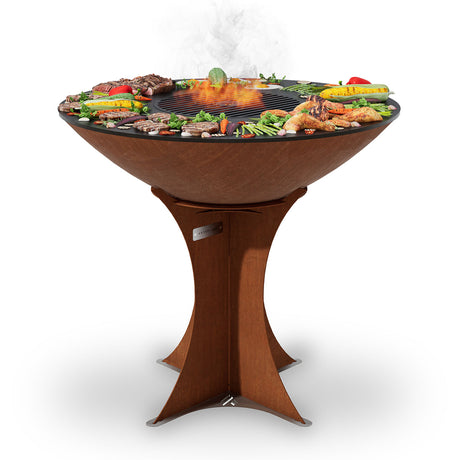
Arteflame Classic 40″ — Storage Base Flat-Top Grill & Fire Bowl (CORTEN Steel)
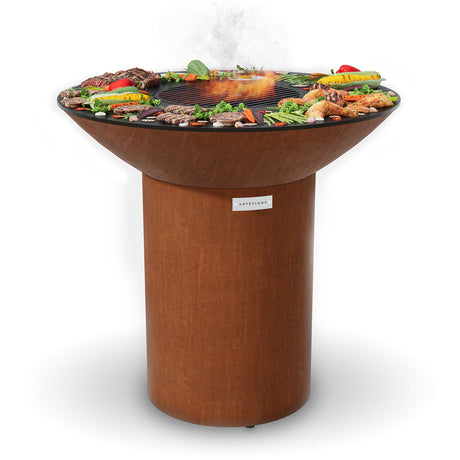
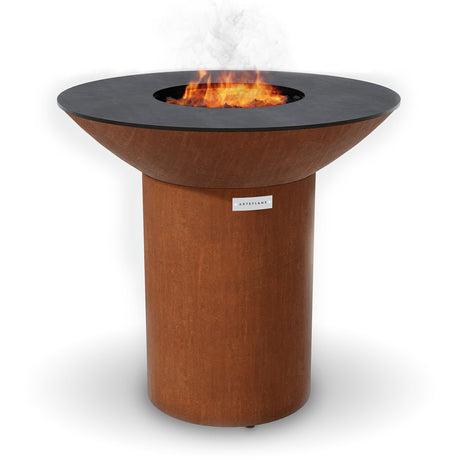
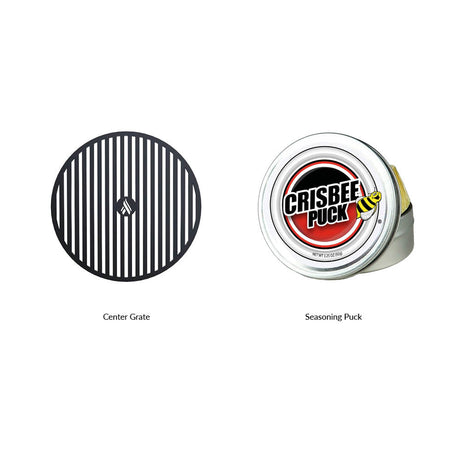
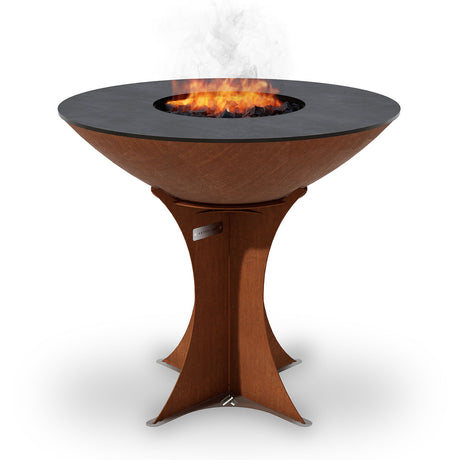
Arteflame Classic 40″ — Round Base Flat-Top Grill & Fire Bowl (CORTEN Steel)
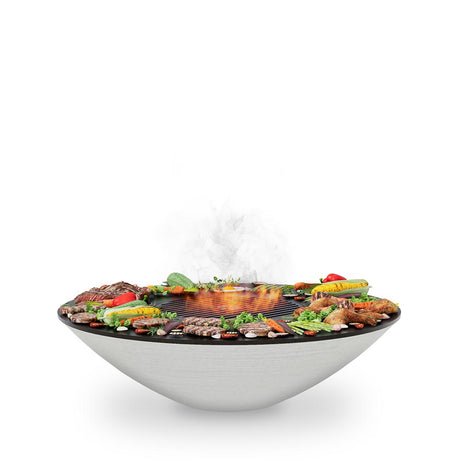
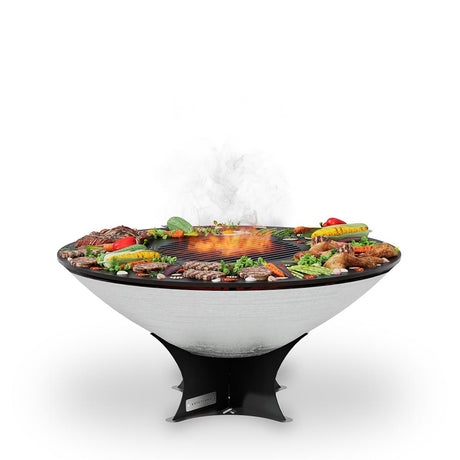
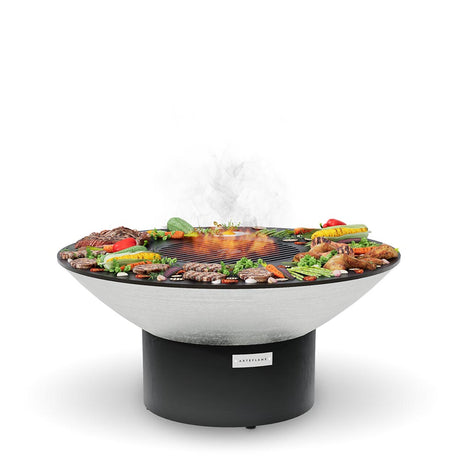
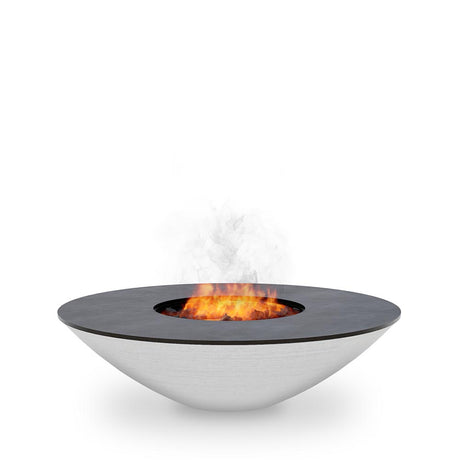
Learn the best veggies for grilling—plus times, temps, and pro tips—optimized for Arteflame heat zones for perfect char and flavor every time.

Transform classic apple pie into a handheld delight with these Wyoming Apple Cinnamon Grilled Dessert Wraps. perfectly crispy, caramelized, and cooked on the Arteflame grill for a smoky finish.

Experience the rustic taste of the West with this Wyoming Campfire Blueberry Cobbler recipe for the Arteflame grill. Featuring bubbling blueberries and a golden biscuit crust cooked in cast iron,...

Experience the rugged flavor of the American West with these Wyoming Wild Boar Chops. Seared to perfection on the Arteflame grill, this recipe uses a savory juniper and sage rub...

Elevate your BBQ with these Wyoming-style grilled carrots. Sweet honey, tangy balsamic, and a perfect char make this the ultimate side dish for your Arteflame grill. Easy, healthy, and packed...

Unleash the flavor of the American West with these tender Wyoming Teriyaki Bison Skewers. Featuring a homemade savory-sweet glaze and perfectly charred vegetables, this recipe maximizes the searing power of...

Unlock the savory flavors of the West with this Wyoming-style garlic parmesan grilled mushrooms recipe. Perfectly seared on the Arteflame flat top, these buttery, cheesy mushrooms make the ultimate side...

Unlock the bold flavors of the West with this Wyoming-style grilled jalapeño cheddar sausage recipe. Learn how to achieve the perfect sear and juicy interior using your Arteflame grill for...