
Best Grilled Vegetables: Charred & Crispy Guide | Arteflame
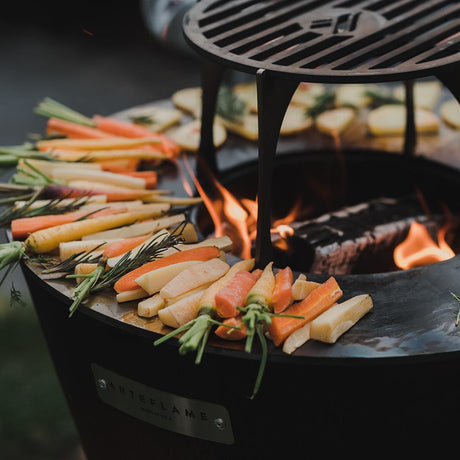
Learn the best veggies for grilling—plus times, temps, and pro tips—optimized for Arteflame heat zones for perfect char and flavor every time.

 4.9
4.9

There is a specific kind of magic that happens when cold sake meets hot steel. I still vividly remember the first time I visited a bustling izakaya in Tokyo; the air was thick with smoke, laughter, and the mouthwatering scent of grilled seafood. These Japanese Grilled Clams capture that spirit perfectly. The moment the garlic butter melts into the natural brine, hitting the hot grill with a hiss, you are greeted with an aroma that is salty, savory, and utterly intoxicating. It is an umami bomb that brings the ocean right to your backyard.
This dish is the definition of "high reward, low effort." It feels incredibly sophisticated—like something you would pay top dollar for at a seaside restaurant—yet it comes together in minutes. The alchemy of dry sake and soy sauce creates a broth inside the shell that is so good you will want to drink it straight up. It is interactive, fun to cook on the Arteflame, and perfect for impressing guests without spending hours on prep.
If you do not have sake on hand, a crisp dry white wine or even a splash of dry vermouth works beautifully. No fresh ginger? A pinch of ground ginger is acceptable, though fresh provides that necessary zing to cut the richness.
Mastering grilled clams is all about timing and preparation. The most critical step occurs before you even light the fire: purging the clams. There is nothing worse than biting into a delicious, buttery clam only to be met with gritty sand. Do not skip the saltwater soak. When it comes to the cooking process, speed is your friend. Clams cook incredibly fast, and once the shell opens, the meat is essentially done. Leaving them on the heat too long will turn them tough and rubbery. If you are using an Arteflame, utilize the different heat zones; move opened clams to the cooler outer ring while you finish seasoning them to keep them warm without overcooking. Finally, use a dry sake that you would enjoy drinking, as the flavor concentrates during grilling.
While the classic sake and butter combination is timeless, this recipe is incredibly versatile and easy to adapt to your personal taste preferences. Here are a few ways to twist the flavor profile while keeping the core technique the same:
To turn these Japanese Grilled Clams into a complete meal, consider what you are drinking and what sits on the side. Naturally, sake is the premier beverage choice; a crisp Junmai or Ginjo will cut through the richness of the butter while complementing the brine of the clams. If you prefer beer, a cold, dry Japanese lager is an excellent palate cleanser. For food pairings, these clams serve as a perfect appetizer for a larger BBQ spread. They go beautifully alongside Yakitori (grilled chicken skewers) or Yaki Onigiri (grilled rice balls). The rice balls are particularly good for dipping into the leftover garlic-sake butter sauce pooling in the clam shells. A light cucumber salad with sesame dressing also provides a nice crunchy contrast to the tender seafood.
Japanese Grilled Clams with Sake and Garlic Butter are a testament to the beauty of simple ingredients prepared well. The smoky char from the grill elevates the natural sweetness of the seafood, while the alchemy of sake, soy, and butter creates a sauce that is nothing short of addictive. This dish is perfect for gathering friends around the fire, sharing stories, and enjoying the tactile fun of eating with your hands. It is elegant enough for a dinner party yet rustic enough for a backyard barbecue. Fire up your grill, pour the sake, and enjoy the authentic flavors of Japan right in your own backyard.

Experience the Arteflame difference — 1,000°F searing, true wood-fired flavor, and a wide cooktop with multiple heat zones all in one beautiful grill. Cook everything at once, control every temperature with ease, and transform every outdoor gathering. Discover how Arteflame elevates the art of grilling.
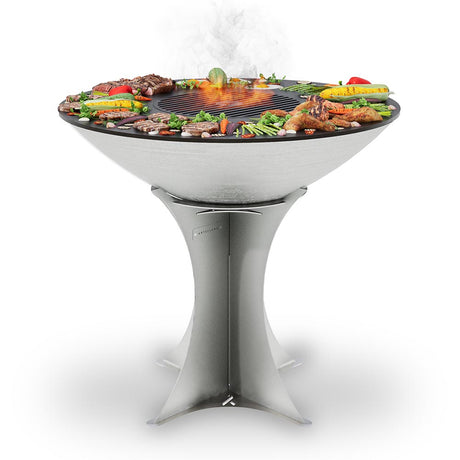

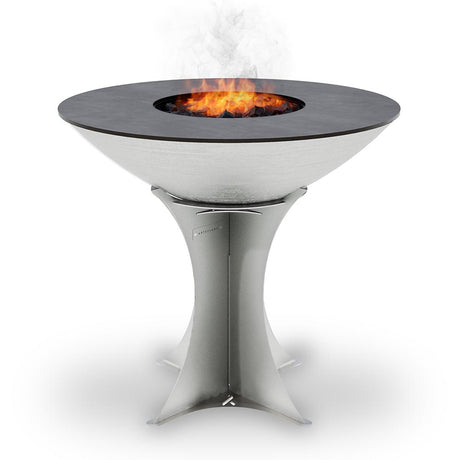




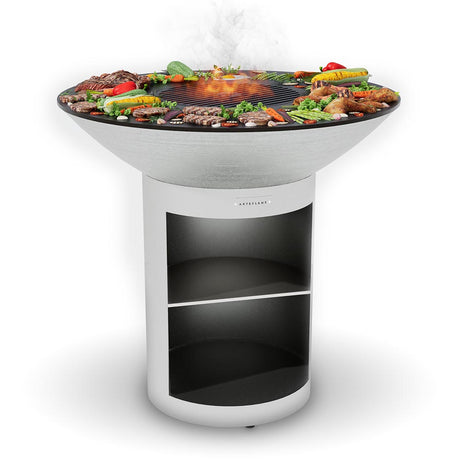
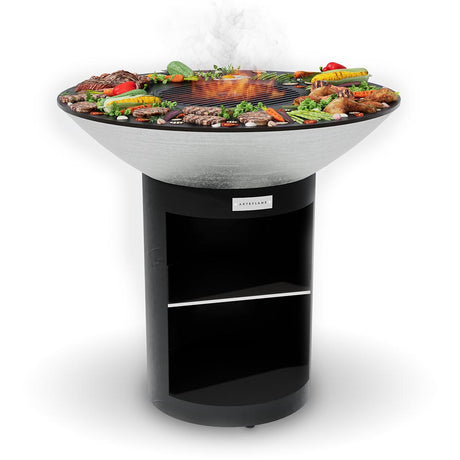
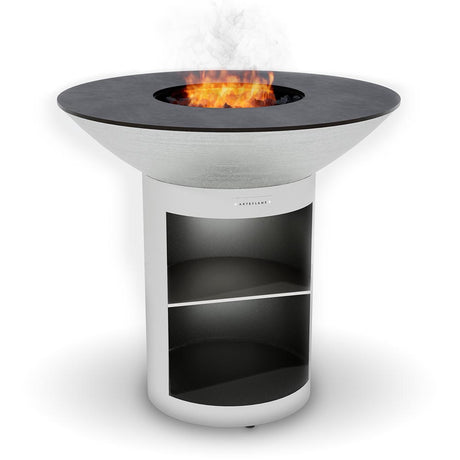


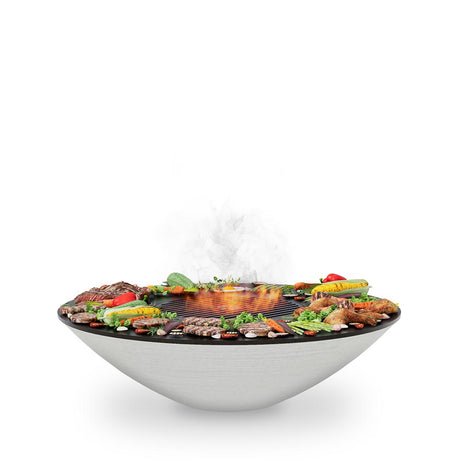
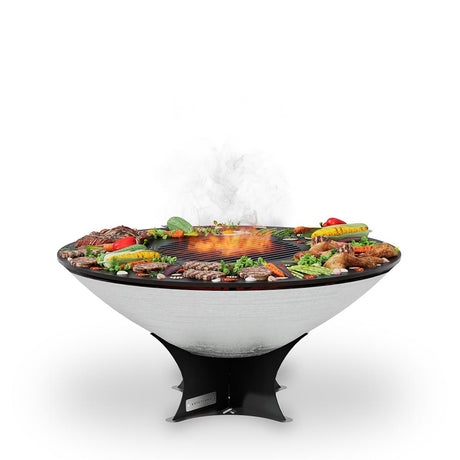
Arteflame 40″ Platinum Series — Stainless Fire Bowl Flat-Top Grill with Storage Base
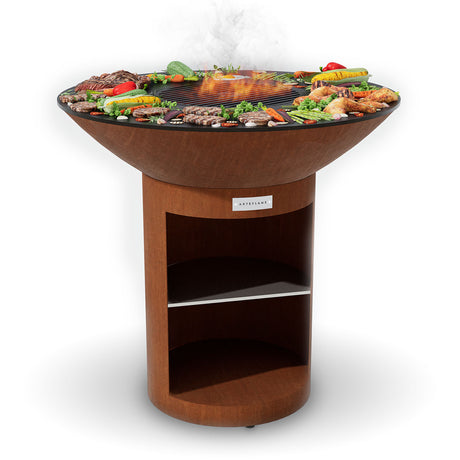
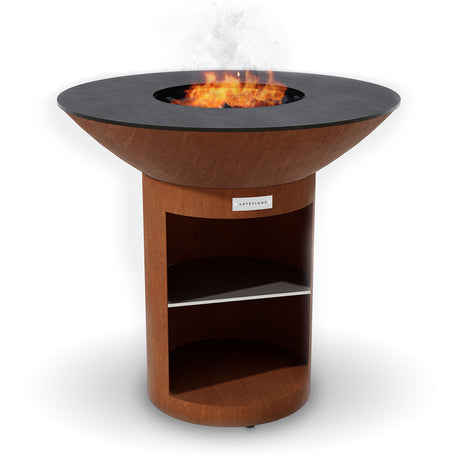

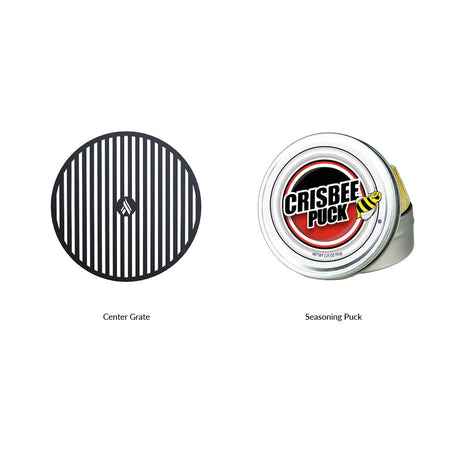
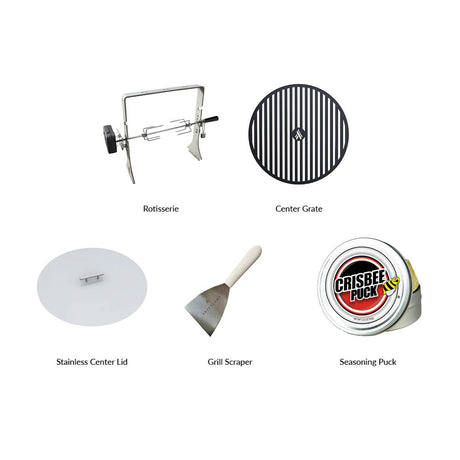
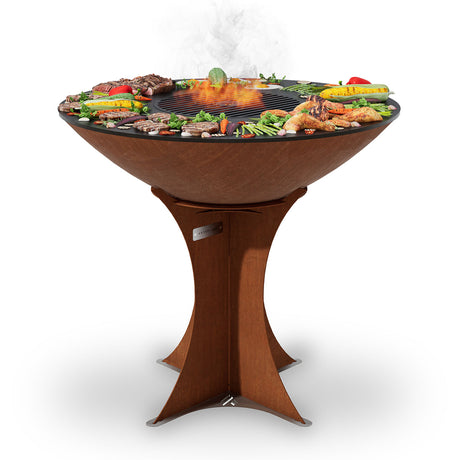
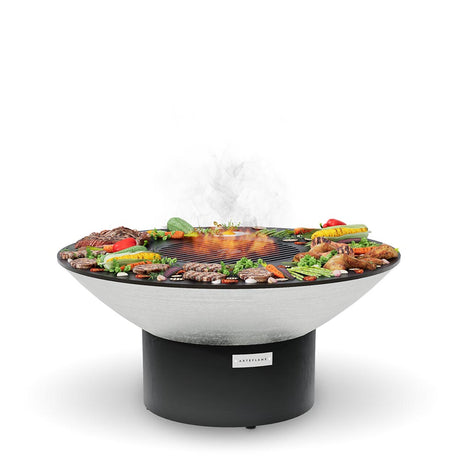
Arteflame Classic 40″ — Storage Base Flat-Top Grill & Fire Bowl (CORTEN Steel)
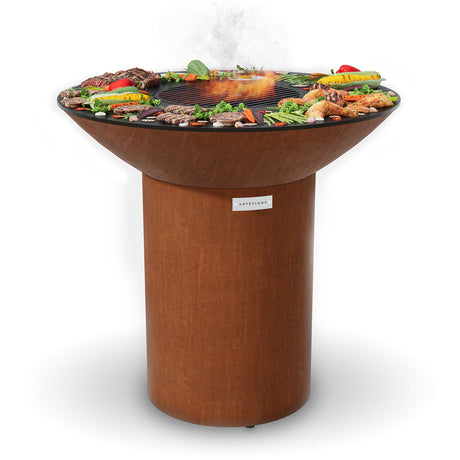
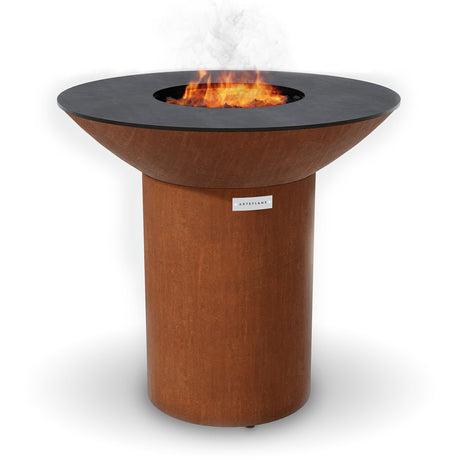
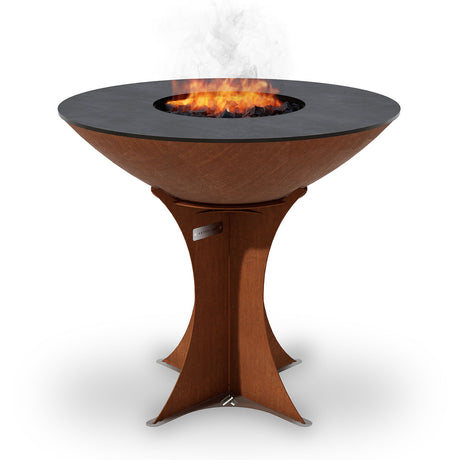
Arteflame Classic 40″ — Round Base Flat-Top Grill & Fire Bowl (CORTEN Steel)
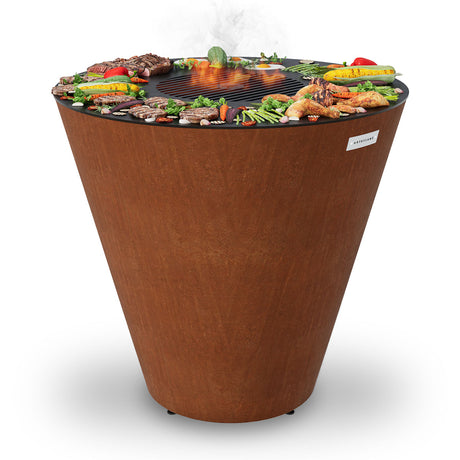
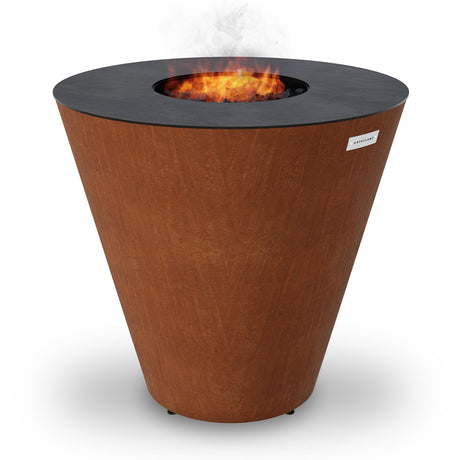


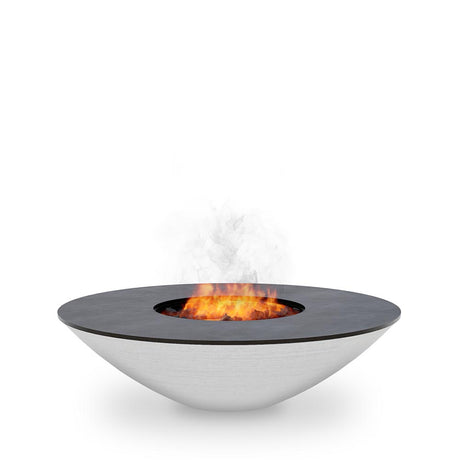
Arteflame One Series 40″ — XXL Flat-Top Charcoal Grill & Fire Bowl (Single-Piece CORTEN Body)
Learn the best veggies for grilling—plus times, temps, and pro tips—optimized for Arteflame heat zones for perfect char and flavor every time.

Transform classic apple pie into a handheld delight with these Wyoming Apple Cinnamon Grilled Dessert Wraps. perfectly crispy, caramelized, and cooked on the Arteflame grill for a smoky finish.

Experience the rustic taste of the West with this Wyoming Campfire Blueberry Cobbler recipe for the Arteflame grill. Featuring bubbling blueberries and a golden biscuit crust cooked in cast iron,...

Experience the rugged flavor of the American West with these Wyoming Wild Boar Chops. Seared to perfection on the Arteflame grill, this recipe uses a savory juniper and sage rub...

Elevate your BBQ with these Wyoming-style grilled carrots. Sweet honey, tangy balsamic, and a perfect char make this the ultimate side dish for your Arteflame grill. Easy, healthy, and packed...

Unleash the flavor of the American West with these tender Wyoming Teriyaki Bison Skewers. Featuring a homemade savory-sweet glaze and perfectly charred vegetables, this recipe maximizes the searing power of...

Unlock the savory flavors of the West with this Wyoming-style garlic parmesan grilled mushrooms recipe. Perfectly seared on the Arteflame flat top, these buttery, cheesy mushrooms make the ultimate side...

Unlock the bold flavors of the West with this Wyoming-style grilled jalapeño cheddar sausage recipe. Learn how to achieve the perfect sear and juicy interior using your Arteflame grill for...