
Best Grilled Vegetables: Charred & Crispy Guide | Arteflame
Learn the best veggies for grilling—plus times, temps, and pro tips—optimized for Arteflame heat zones for perfect char and flavor every time.

 4.8
4.8

There is a specific kind of magic that happens when pork belly hits a screaming hot griddle. It is that initial hiss, followed by the intoxicating aroma of rendering fat and wood smoke. This recipe is pure barbecue alchemy—transforming rich, savory "meat candy" into something balanced and addictive with a classic South Carolina vinegar sauce. It reminds me of humid summer cookouts where the food is messy, the laughter is loud, and the flavors are bold.
What makes this dish a permanent fixture in my rotation is the interplay of flavors. Pork belly can sometimes feel too heavy, but the sharp acidity of the vinegar dip cuts right through that richness, cleansing the palate after every bite. Plus, cooking it on the Arteflame means getting that coveted crispy edge-to-edge sear that a standard grate just can't replicate.
No apple cider vinegar? White wine vinegar works in a pinch. If you are watching your sugar intake, swap the brown sugar in the rub for a granulated monk fruit sweetener, though you won't get quite the same caramelization.
Cooking pork belly requires patience and heat management. The magic lies in rendering the fat so it becomes melt-in-your-mouth tender rather than chewy. On an Arteflame, utilize the heat zones intelligently. Start the pork closer to the center to get that initial hard sear, then move the strips toward the outer ring to let them finish cooking more gently. This ensures the inside is fully cooked without carbonizing the exterior rub. Furthermore, do not skip the resting period. The vinegar sauce is highly acidic, which is delicious, but if you cut the meat too early, the juices will run out, leaving you with dry pork. Let the juices redistribute, then hit it with the acid.
While the South Carolina vinegar style is a classic, pork belly is an incredibly versatile canvas for flavors. If you want to switch things up for your next cookout, consider these adjustments to tailor the profile to your guests' preferences. Here are a few ways to modify this recipe:
Because pork belly is so rich and fatty, the best side dishes are those that offer texture and acidity to cleanse the palate. You want to avoid overly heavy sides that might make the meal feel sluggish. Fresh, crisp, and tangy elements work best to round out the dining experience. Here are some excellent pairing options:
Mastering grilled pork belly on the Arteflame is a rite of passage for any serious outdoor cook. It transforms a humble cut of meat into a luxurious, flavor-packed experience that is impossible to replicate in a standard kitchen. The interplay between the smoky, charred fat and the sharp, spicy South Carolina vinegar sauce creates a balance that keeps you coming back for "just one more piece." whether you serve this as a main course or as decadent appetizers for a party, it is sure to disappear quickly. So, clean off your grill, mix up that sauce, and enjoy the process of creating real wood-fired flavor.

Experience the Arteflame difference — 1,000°F searing, multiple heat zones, and true wood-fired flavor in one striking grill. Cook everything at once with total temperature control and enjoy a more intentional, elevated outdoor cooking experience. Discover why an Arteflame isn’t just a grill — it transforms the way you cook.
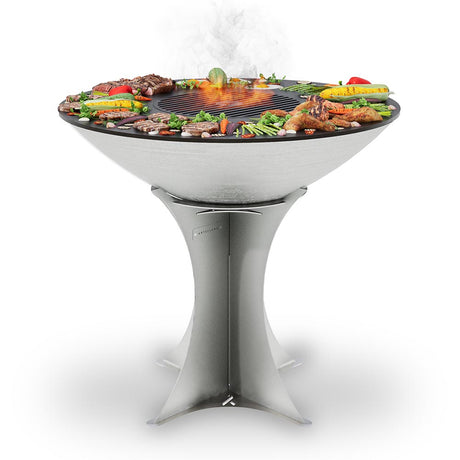





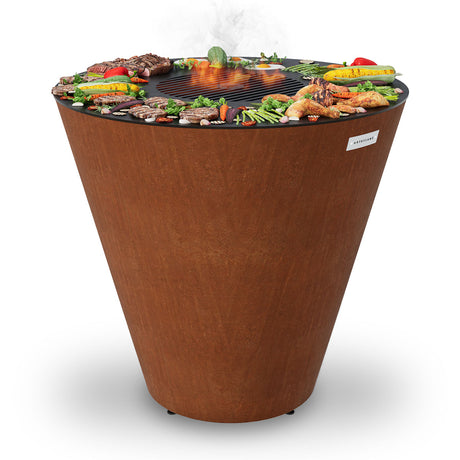


Arteflame One Series 40″ — XXL Flat-Top Charcoal Grill & Fire Bowl (Single-Piece CORTEN Body)
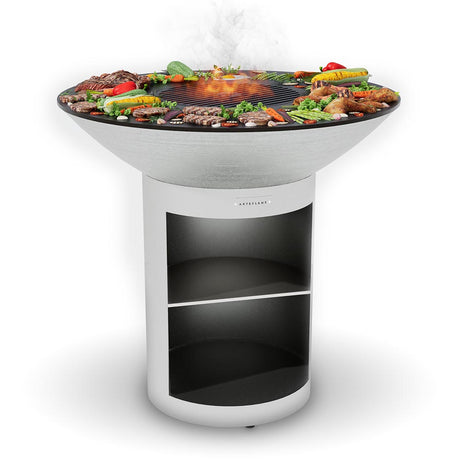
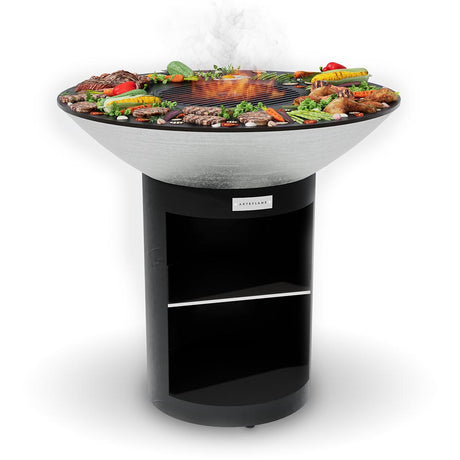
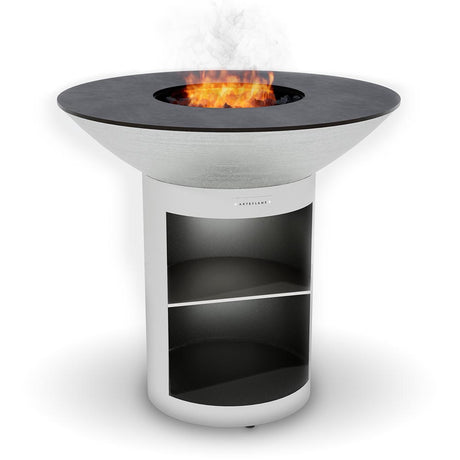


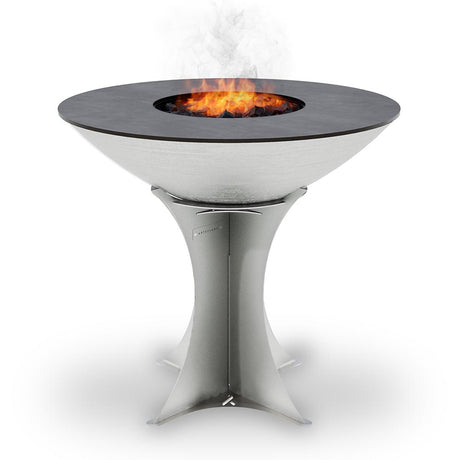
Arteflame 40″ Platinum Series — Stainless Fire Bowl Flat-Top Grill with Storage Base

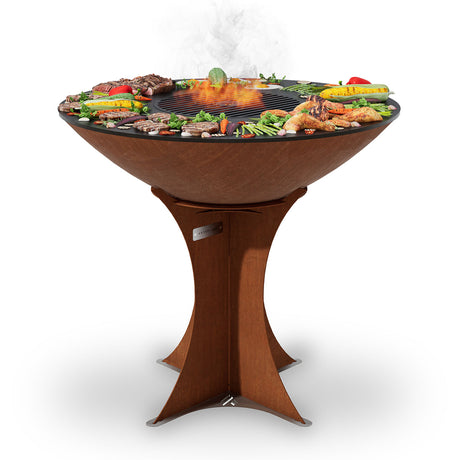
Arteflame Classic 40″ — Storage Base Flat-Top Grill & Fire Bowl (CORTEN Steel)
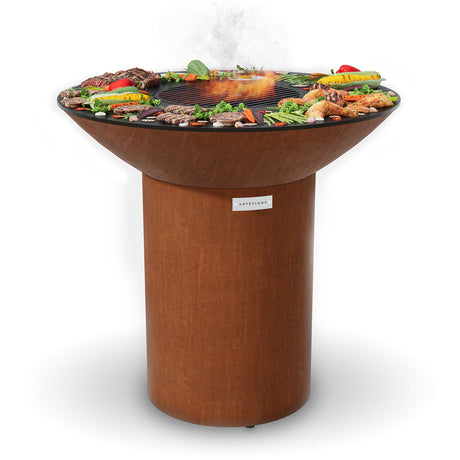
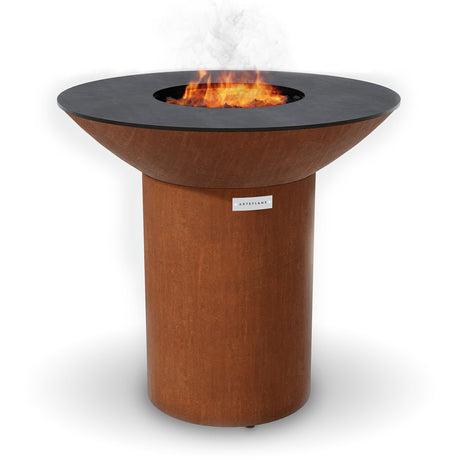
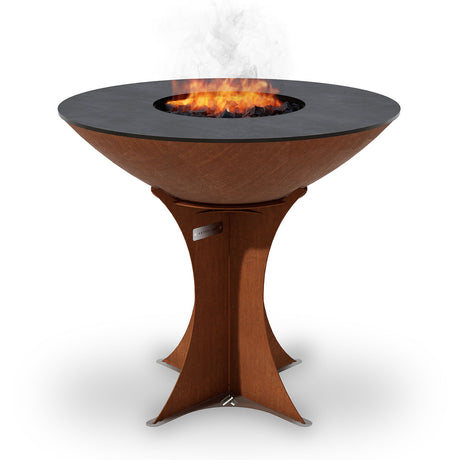
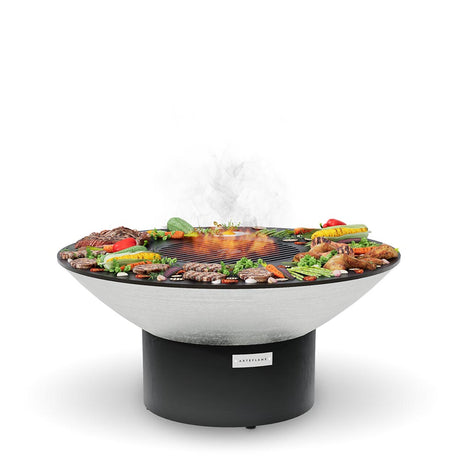
Arteflame Classic 40″ — Round Base Flat-Top Grill & Fire Bowl (CORTEN Steel)
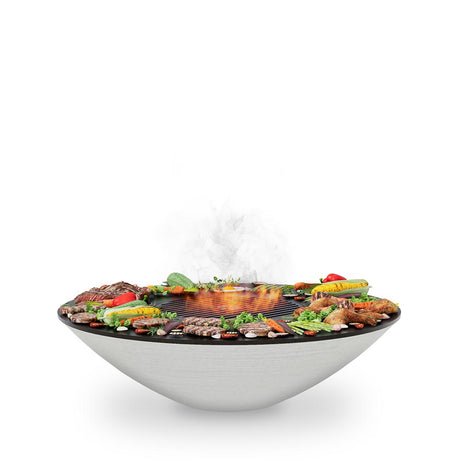
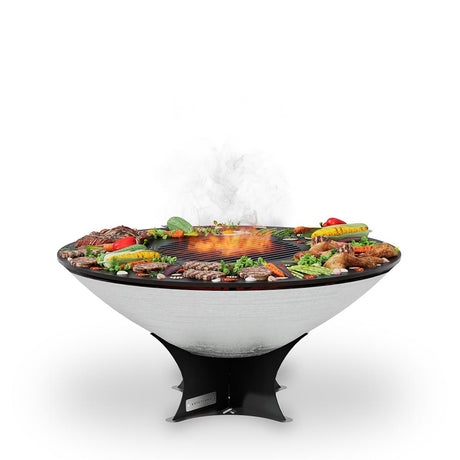
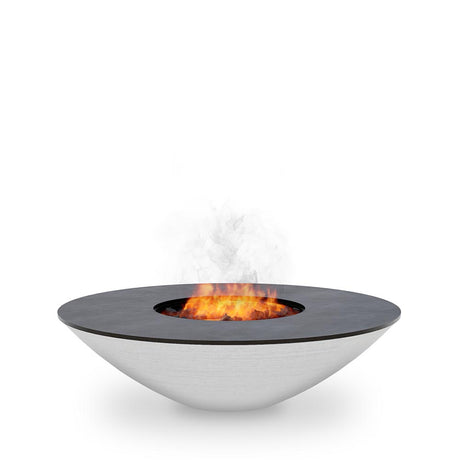
Learn the best veggies for grilling—plus times, temps, and pro tips—optimized for Arteflame heat zones for perfect char and flavor every time.

Transform classic apple pie into a handheld delight with these Wyoming Apple Cinnamon Grilled Dessert Wraps. perfectly crispy, caramelized, and cooked on the Arteflame grill for a smoky finish.

Experience the rustic taste of the West with this Wyoming Campfire Blueberry Cobbler recipe for the Arteflame grill. Featuring bubbling blueberries and a golden biscuit crust cooked in cast iron,...

Experience the rugged flavor of the American West with these Wyoming Wild Boar Chops. Seared to perfection on the Arteflame grill, this recipe uses a savory juniper and sage rub...

Elevate your BBQ with these Wyoming-style grilled carrots. Sweet honey, tangy balsamic, and a perfect char make this the ultimate side dish for your Arteflame grill. Easy, healthy, and packed...

Unleash the flavor of the American West with these tender Wyoming Teriyaki Bison Skewers. Featuring a homemade savory-sweet glaze and perfectly charred vegetables, this recipe maximizes the searing power of...

Unlock the savory flavors of the West with this Wyoming-style garlic parmesan grilled mushrooms recipe. Perfectly seared on the Arteflame flat top, these buttery, cheesy mushrooms make the ultimate side...

Unlock the bold flavors of the West with this Wyoming-style grilled jalapeño cheddar sausage recipe. Learn how to achieve the perfect sear and juicy interior using your Arteflame grill for...