
Crisp and Golden Mac and Cheese Cakes on the Grill
Turn yesterday's leftover macaroni into today's crispy, golden side dish with this easy wood-fired recipe.


There is something incredibly grounding about the aroma of toasted caraway and marjoram wafting through the backyard. Unlike the sticky, sugar-laden ribs of most American cookouts, this savory dry-rub approach lets the pork itself shine, with an earthy crunch and old-world character. The moment the ribs hit the searing hot steel of the Arteflame, the fat renders into a golden crust that locks in juices, creating a texture that is impossibly crisp on the outside and tender within. It is the perfect meal for a crisp evening, enjoyed with a cold beer in hand.
I love this recipe because it challenges the idea that ribs need a sticky sauce to be delicious. It celebrates the meat itself, enhanced by a dry rub that sings with garlic and herbs. Cooking this on the Arteflame is a game-changer; the solid cooktop preserves those spices rather than letting them fall through the grates, giving you a flavor intensity you just cannot get on a standard grill. And as the Variations section below proves, this same sear-then-slide technique is the backbone for everything from fruity glazes to citrus marinades and classic sweet BBQ sauces.
If caraway feels too strong for your palate, try swapping it with fennel seeds for a milder licorice note, or simply double up on the onion powder. You can also use bacon fat instead of olive oil as a binder to deepen that smoky pork flavor.
To truly master these ribs, attention to the spices is key. Caraway seeds can be quite potent; if you prefer a subtler flavor, toast the seeds lightly in a dry pan before mixing them into the rub, or crush them in a mortar and pestle to release their oils without the crunchy texture. When grilling on the Arteflame, remember that the flat top sear is your best friend. Don't be afraid to press the meat down slightly to ensure even contact with the steel, which locks in the moisture.
Temperature control is also vital, and it matters just as much for a wet-glazed rib as it does for a dry rub. Because this rub contains dried herbs like marjoram and paprika, they can burn if left on high heat for too long — the same is true of any sugar-based glaze. This is why the "sear and slide" method is essential across every variation below: get your color on the high-heat center, then immediately move the ribs to the cooler outer ring to finish cooking through gently. Use the "bend test" to check doneness — pick up the rack with tongs from the center; if it bends significantly and the meat cracks on the surface, it's ready.
Pork ribs are one of the most adaptable canvases on the grill — the sear-then-slide technique above stays exactly the same no matter what rub, marinade, or glaze you build on top of it. Here are some of the best regional twists our community has grilled up:
These ribs command a plate filled with hearty, comforting sides. Because the base recipe leans savory, you want accompaniments that can stand up to the punch of caraway and garlic, or cut through the richness of the pork fat. Avoid overly sweet sides when serving the classic rub; instead, opt for acidic or creamy dishes that cleanse the palate.
Grilled pork ribs prove that you don't need heavy, sugary sauces to create a memorable dish — just quality meat, a well-built rub or marinade, and the right cooking method. The combination of a high-heat sear and a slow, gentle finish on the Arteflame's flat top keeps the meat juicy and full of character, whichever flavor direction you take it.
Whether you keep it classic with the earthy caraway and marjoram rub or borrow one of the regional twists above — bright Mexican citrus, sharp Carolina vinegar, or a sweet Kansas City glaze — the technique stays the same and the results are always impressive. Gather your ingredients, fire up the grill, and enjoy a savory feast that is rich in tradition and flavor.

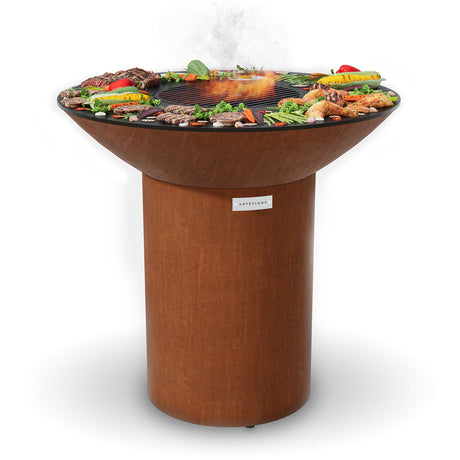
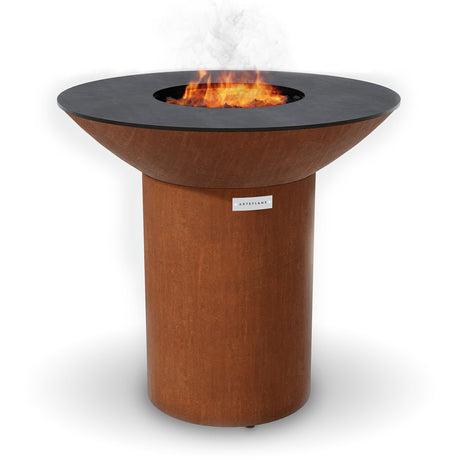
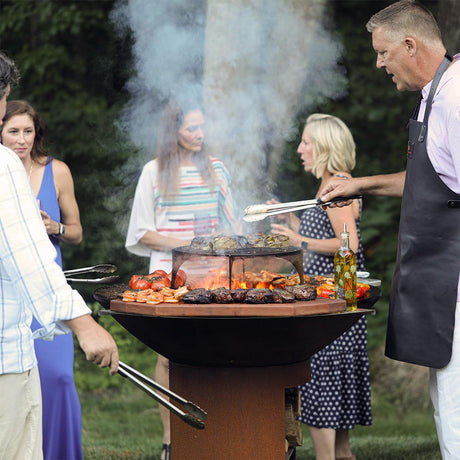
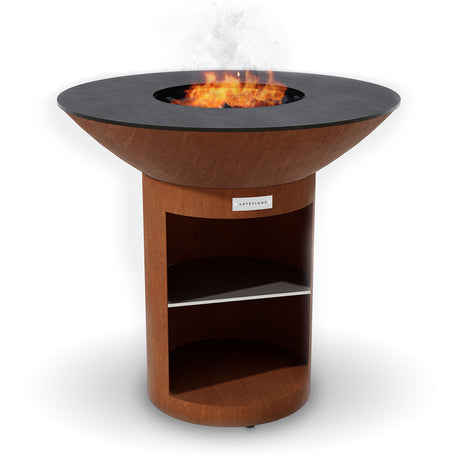
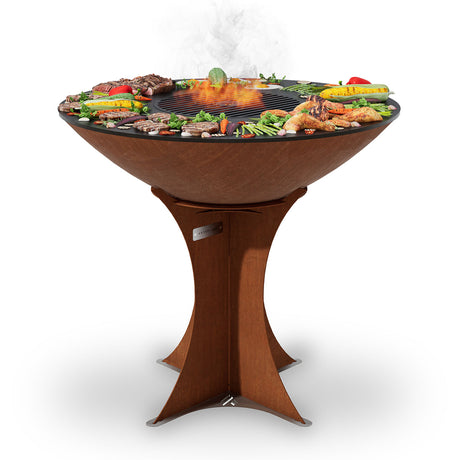
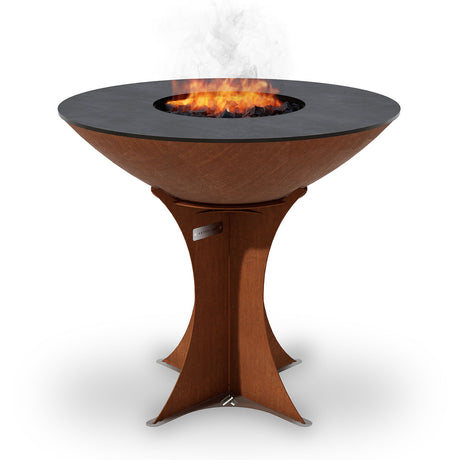
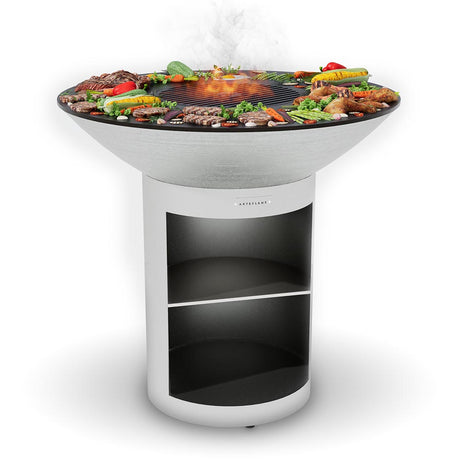
Experience the difference — sear at 1,000°F, enjoy multiple heat zones, and cook with natural wood-fired flavor on one beautiful grill. Prepare everything at once, manage temperatures with ease, and elevate every outdoor gathering. Discover why an Arteflame transforms the entire grilling experience.







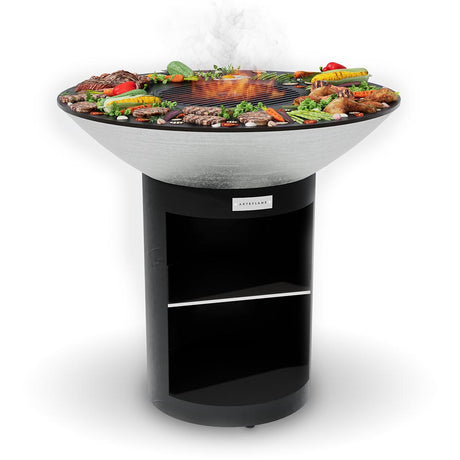
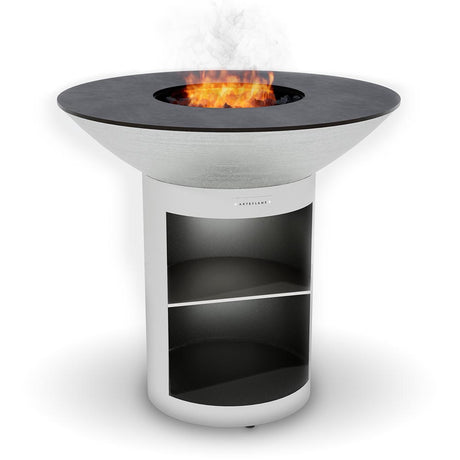


Turn yesterday's leftover macaroni into today's crispy, golden side dish with this easy wood-fired recipe.

Master this Texas-style open-fire brisket cooked entirely on the Arteflame grill. By searing on the center grate and wrapping to render on the flat top, you get perfectly tender, juicy...

Transform standard thick-cut bacon into a sweet, savory appetizer with a dark stout and brown sugar glaze, perfectly caramelized on a flat-top grill.

Render the perfect crispy skin with these Sichuan Peppercorn Duck Breasts, paired with a smoky, sweet, and spicy charred plum-poblano sauce.

Tender artichoke halves charred over high heat and smothered in rich garlic butter and Parmesan cheese.

Achieve the ultimate crust with this low-and-slow beef brisket recipe, utilizing natural heat zones for a perfect sear and incredibly tender finish.

Transform the trending crispy rice paper dumplings into a wood-fired masterpiece. Cooked on the Arteflame flat steel griddle for a shatteringly crisp crust and savory, high-protein filling.

Elevate albacore tuna with a steakhouse-style bacon wrap and a decadent green peppercorn cream sauce, grilled flawlessly on a flat-top.
Inspired to Grill?
Love it? Tell us — rate this recipe in 2 seconds. Tap a star below.