
Crisp and Golden Mac and Cheese Cakes on the Grill
Turn yesterday's leftover macaroni into today's crispy, golden side dish with this easy wood-fired recipe.


Imagine the scent of fresh basil hitting hot steel—that sudden burst of aromatics is exactly what makes this Grilled Herb Pesto so special. It transforms a classic, vibrant green sauce into something with a rustic, smoky depth that feels right at home in the backyard. There is something truly magical about standing over the open fire, watching the herbs darken just slightly, releasing oils that make the final sauce incredibly complex yet undeniably fresh.
I love this recipe because it bridges the gap between raw freshness and fire-kissed flavor. Cooking the herbs briefly on the Arteflame takes the sharp bite out of the garlic and intensifies the basil's natural sweetness. It’s the ultimate multi-tasker; I slather it on toasted sourdough, toss it with pasta, or use it as a bold finishing sauce for grilled ribeyes. Plus, it comes together in minutes while the grill heats up for the main event.
If you don’t have pine nuts on hand, walnuts or almonds offer a delicious crunch and earthiness. For a dairy-free version, simply skip the Parmesan and add a tablespoon of nutritional yeast or an extra splash of lemon juice for that necessary tang.
Achieving the perfect consistency and flavor balance with grilled pesto requires attention to detail, particularly regarding heat management. Because the Arteflame cooktop has varying heat zones, use this to your advantage: roast the garlic closer to the center where it is hotter, but keep the pine nuts near the outer edge where the heat is gentler. One common mistake is over-processing the sauce; you want a rustic, textured paste, not a completely smooth purée, so pulse carefully. Additionally, if you plan to store the pesto for more than a few hours, blanching the basil in ice water immediately after flash-grilling can help lock in that bright green chlorophyll, preventing the sauce from oxidizing and turning brown. Always use high-quality Parmesan and grate it fresh—pre-grated cheese often contains anti-caking agents that can affect the texture.
While the classic basil profile is timeless, the smokey nuance from the Arteflame invites creativity. You can easily adapt this recipe to suit different dietary needs or flavor profiles without losing the essence of the dish. Experimenting with different greens or nuts can completely change the character of the sauce. Here are a few favorite twists to try:
This grilled herb pesto is incredibly versatile, serving as more than just a pasta sauce. Its smoky, garlic-forward profile cuts through rich fats and adds brightness to heavy dishes. Because the ingredients are seared on the Arteflame, the sauce shares a flavor DNA with anything else you cook on the grill, creating a harmonious meal. It works best as a finishing element, added right before serving to maintain its fresh aromatic quality.
Mastering this Grilled Herb Pesto on your Arteflame elevates your outdoor cooking game from standard barbecue to gourmet dining. By utilizing the heat of the plancha to awaken the oils in the basil and roast the garlic, you unlock a depth of flavor that a kitchen blender simply cannot achieve on its own. It is a simple technique that yields sophisticated results, blending the primal element of fire with the fresh elegance of Italian cuisine.
Whether you are drizzling it over a perfectly seared steak or stirring it into a bowl of pasta for a quick weeknight dinner, this pesto brings a taste of summer to every bite. The smokey undertones and vibrant freshness make it a condiment you will want to keep in your repertoire permanently. Fire up the grill, gather your herbs, and experience the difference that flash-searing makes.

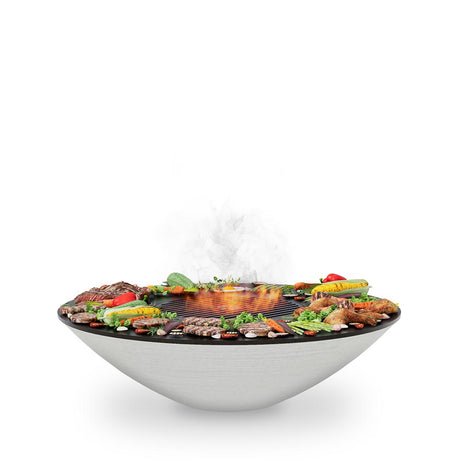
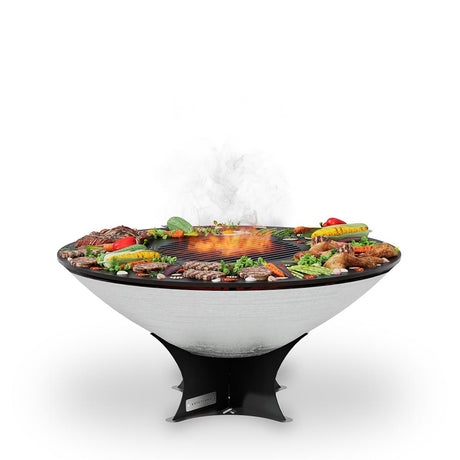
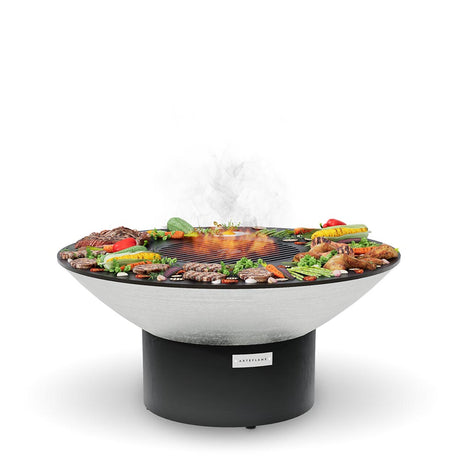
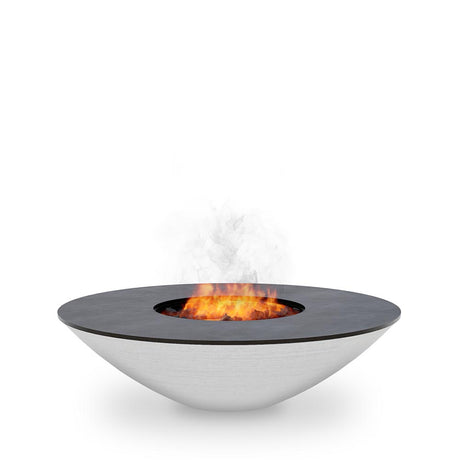
Experience the Arteflame difference — 1,000°F searing, true wood-fired flavor, and a wide cooktop with multiple heat zones all in one beautiful grill. Cook everything at once, control every temperature with ease, and transform every outdoor gathering. Discover how Arteflame elevates the art of grilling.
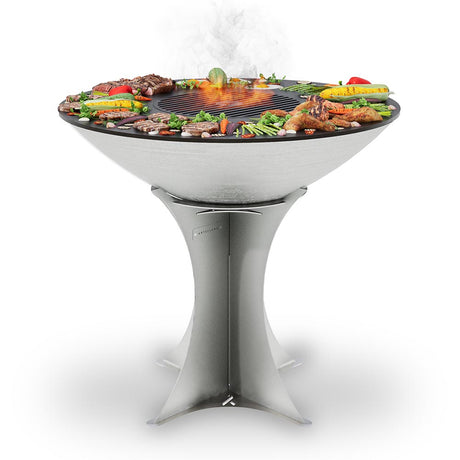

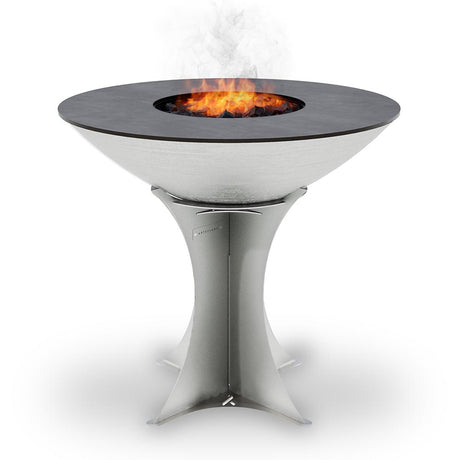


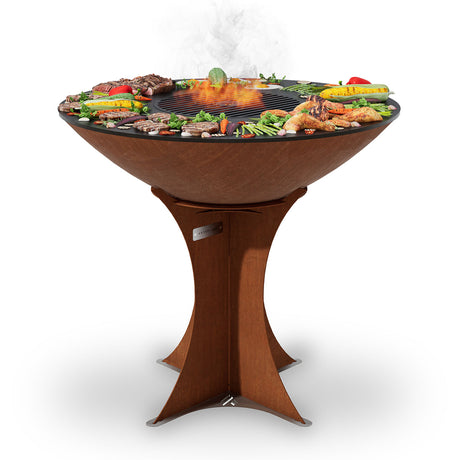
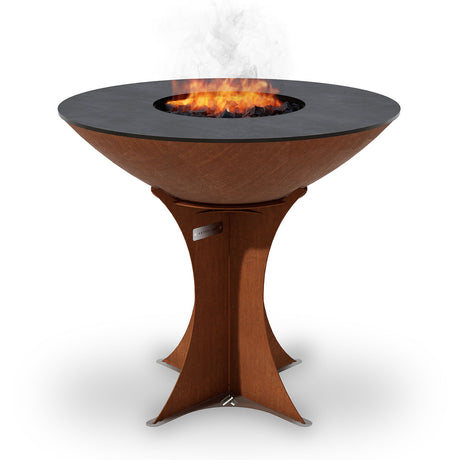


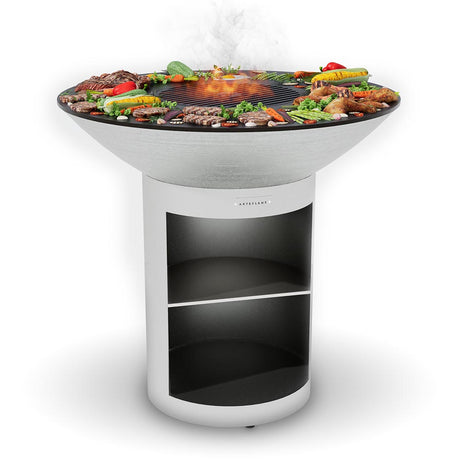
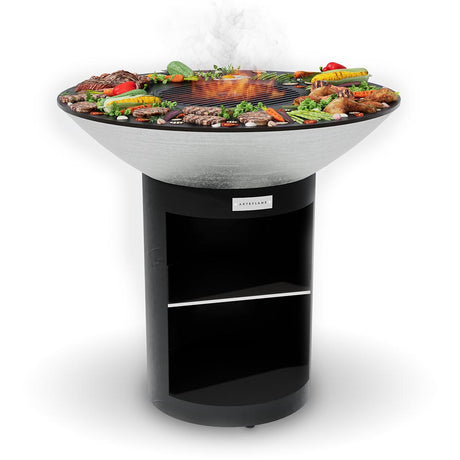
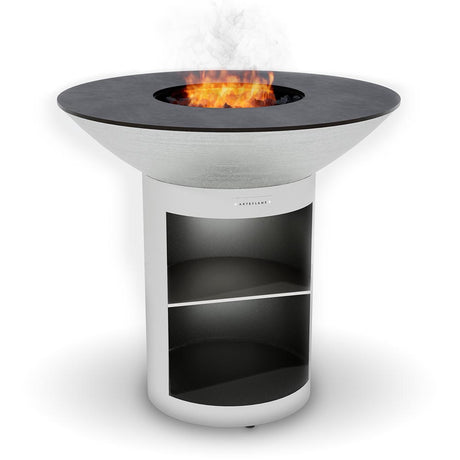


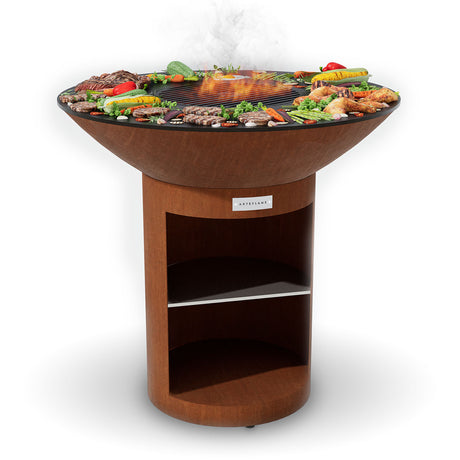

Turn yesterday's leftover macaroni into today's crispy, golden side dish with this easy wood-fired recipe.

Master this Texas-style open-fire brisket cooked entirely on the Arteflame grill. By searing on the center grate and wrapping to render on the flat top, you get perfectly tender, juicy...

Transform standard thick-cut bacon into a sweet, savory appetizer with a dark stout and brown sugar glaze, perfectly caramelized on a flat-top grill.

Render the perfect crispy skin with these Sichuan Peppercorn Duck Breasts, paired with a smoky, sweet, and spicy charred plum-poblano sauce.

Tender artichoke halves charred over high heat and smothered in rich garlic butter and Parmesan cheese.

Achieve the ultimate crust with this low-and-slow beef brisket recipe, utilizing natural heat zones for a perfect sear and incredibly tender finish.

Transform the trending crispy rice paper dumplings into a wood-fired masterpiece. Cooked on the Arteflame flat steel griddle for a shatteringly crisp crust and savory, high-protein filling.

Elevate albacore tuna with a steakhouse-style bacon wrap and a decadent green peppercorn cream sauce, grilled flawlessly on a flat-top.
Inspired to Grill?
Love it? Tell us — rate this recipe in 2 seconds. Tap a star below.