
Crisp and Golden Mac and Cheese Cakes on the Grill
Turn yesterday's leftover macaroni into today's crispy, golden side dish with this easy wood-fired recipe.


There’s a distinct, mouthwatering sizzle that signals perfection when a fatty duck breast hits the hot steel plancha. The aroma of caramelized honey and savory smoke drifts through the air, promising a meal that feels luxurious yet surprisingly grounded. This Dutch Honey Glazed Seared Duck Breast delivers that holy grail of texture: glass-like crispy skin giving way to tender, rosy meat, all balanced by a glaze that sings with floral sweetness and umami depth.
Duck often intimidates home cooks because of the flare-up risk on traditional grates. That’s why I adore this method—the solid cooktop lets the duck bathe in its own rendered liquid gold, confiting the meat gently while searing the skin. It turns a restaurant-only treat into an effortless backyard masterpiece that feels celebratory without the stress.
If you don’t have Dutch honey, any high-quality raw local honey or even maple syrup adds a lovely autumnal twist. For a gluten-free option, simply swap the soy sauce for Tamari or coconut aminos to keep that necessary savory depth.
Mastering duck on the grill is all about patience with the fat rendering process. If you rush the skin-side cooking, you will end up with chewy, flabby fat rather than a crisp crust. A pro tip for Arteflame users is to utilize the flat cooktop to confit potatoes or vegetables in the rendered duck fat simultaneously; simply slide some sliced potatoes into the liquid fat pooling around the duck for an incredible side dish. Additionally, always pull the duck off the grill when it is a few degrees shy of your target temperature, as the internal heat will continue to rise during the resting period (carryover cooking). For the glaze, if your honey is too thick due to cold weather, place the jar near the fire for a minute to loosen it up before mixing.
While the Dutch honey profile is classic and crowd-pleasing, duck is a versatile protein that pairs well with various flavor profiles. You can easily tweak this recipe to suit different seasonal moods or dietary preferences without changing the cooking technique. Here are a few ways to mix it up:
Because duck breast is rich and fatty (in the best way possible), it requires side dishes and beverages that can cut through that richness or complement its earthy tones. The rendered fat from this recipe is a culinary gift, so using the Arteflame cooktop to prepare your sides alongside the meat is highly recommended. For a balanced plate, consider sides that offer acidity or bitterness to cleanse the palate between bites.
Cooking duck breast on the Arteflame is a revelation for any grilling enthusiast. The solid steel surface solves the common problems associated with grilling fatty poultry, transforming a technically difficult dish into a straightforward and rewarding process. This Dutch Honey Glazed Seared Duck Breast recipe delivers a sophisticated combination of textures and flavors—smoky, sweet, savory, crisp, and tender—all in one bite. It is a testament to how the right equipment and fresh ingredients can elevate outdoor cooking to a fine dining standard. Gather your friends, fire up the grill, and enjoy the incredible flavors that only wood-fired cooking can provide.

Experience the Arteflame difference — 1,000°F searing, true wood-fired flavor, and a wide cooktop with multiple heat zones all in one beautiful grill. Cook everything at once, control every temperature with ease, and transform every outdoor gathering. Discover how Arteflame elevates the art of grilling.







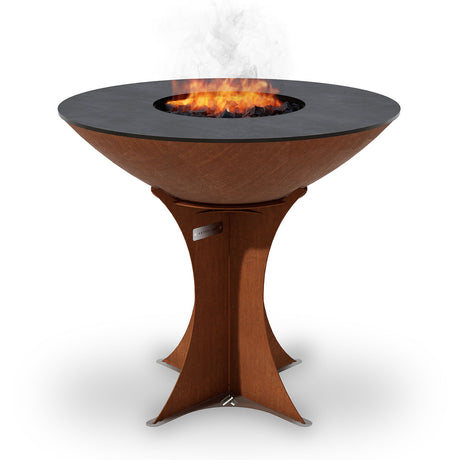


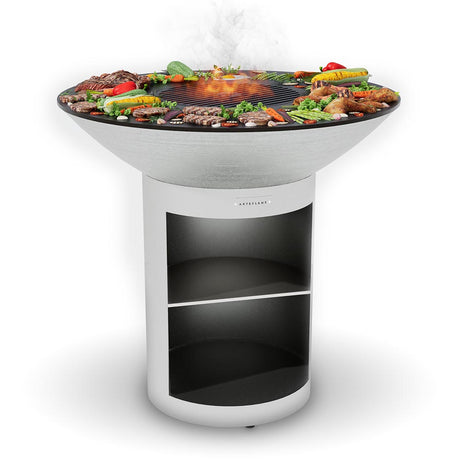
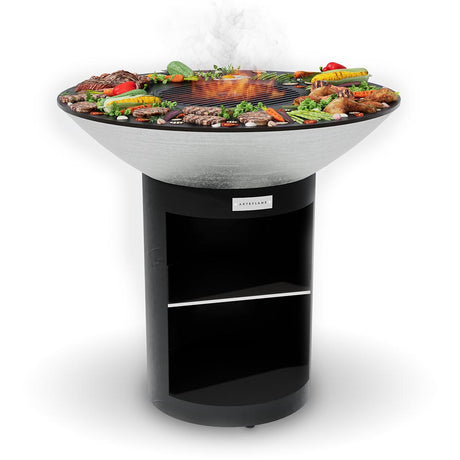



Turn yesterday's leftover macaroni into today's crispy, golden side dish with this easy wood-fired recipe.

Master this Texas-style open-fire brisket cooked entirely on the Arteflame grill. By searing on the center grate and wrapping to render on the flat top, you get perfectly tender, juicy...

Transform standard thick-cut bacon into a sweet, savory appetizer with a dark stout and brown sugar glaze, perfectly caramelized on a flat-top grill.

Render the perfect crispy skin with these Sichuan Peppercorn Duck Breasts, paired with a smoky, sweet, and spicy charred plum-poblano sauce.

Tender artichoke halves charred over high heat and smothered in rich garlic butter and Parmesan cheese.

Achieve the ultimate crust with this low-and-slow beef brisket recipe, utilizing natural heat zones for a perfect sear and incredibly tender finish.

Transform the trending crispy rice paper dumplings into a wood-fired masterpiece. Cooked on the Arteflame flat steel griddle for a shatteringly crisp crust and savory, high-protein filling.

Elevate albacore tuna with a steakhouse-style bacon wrap and a decadent green peppercorn cream sauce, grilled flawlessly on a flat-top.
Inspired to Grill?
Love it? Tell us — rate this recipe in 2 seconds. Tap a star below.