
Crisp and Golden Mac and Cheese Cakes on the Grill
Turn yesterday's leftover macaroni into today's crispy, golden side dish with this easy wood-fired recipe.


There is nothing quite like the sound of a steak sizzling on a hot grill or the rich, savory aroma of a slow-braised brisket filling the kitchen on a Sunday afternoon. For years, I stood at the butcher counter feeling overwhelmed by the choices, but once I learned that great beef isn't about buying the most expensive cut—it's about matching the right cut to the right method—everything changed. This guide is your roadmap to mastering that perfect, melt-in-your-mouth experience, regardless of what’s in your grocery basket.
I love this guide because it turns "What's for dinner?" into an exciting opportunity rather than a chore. Whether you grabbed a budget-friendly chuck roast or a premium ribeye, this master recipe ensures you never waste a cut. It relies on a universal seasoning blend that enhances natural beefy flavors without overpowering them, making it my secret weapon for everything from weeknight tacos to holiday roasts.
If you are out of smoked paprika, standard paprika works fine, though you'll miss that subtle campfire note. For the marinade, feel free to swap the brown sugar for honey or maple syrup for a more natural sweetness that caramelizes beautifully.
Choosing the right beef cut is just the first step; proper preparation ensures great results. Always allow your meat to reach room temperature before cooking, and avoid overcrowding the grill or pan. Resting is essential for juicy slices, especially with lean or premium cuts. If you're unsure which cut fits your cooking method, remember: high heat suits tender cuts, while slow heat transforms tough cuts into flavorful, melt‑in‑your‑mouth dishes.
You can customize seasoning and cooking methods to highlight different flavor profiles across various beef cuts. Experimenting with marinades, rubs, or regional styles gives each cut a new personality. Try smoky, spicy, or herb‑forward approaches depending on the dish you're aiming for.
Beef cuts pair beautifully with a range of sides, sauces, and drinks. Match the intensity of the cut with complementary flavors—rich cuts like ribeye shine with bold sides, while leaner cuts pair well with lighter accompaniments. Consider texture, acidity, and seasoning when planning your meal.
With a basic understanding of beef cuts and the right preparation techniques, you can bring out the best in any piece of meat. From quick-searing steaks to slow-cooked classics, each cut offers something unique and flavorful when treated properly.
Use this guide as a foundation whenever you're choosing or cooking beef. With the right seasoning, method, and pairings, you’re guaranteed a delicious result every time.

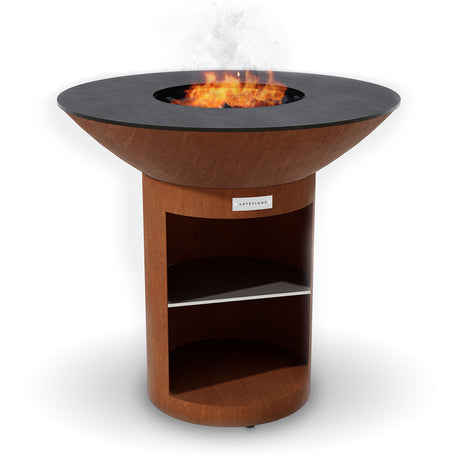
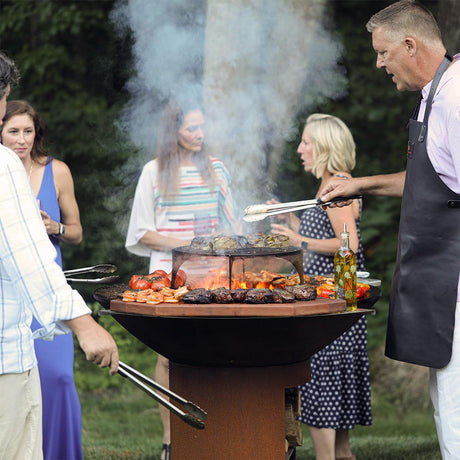
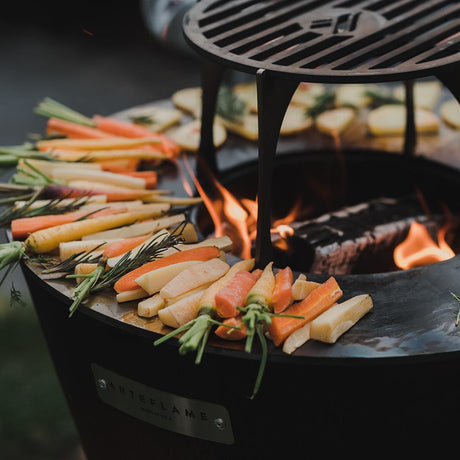
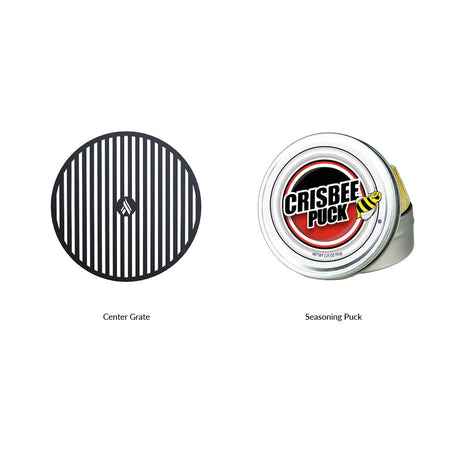
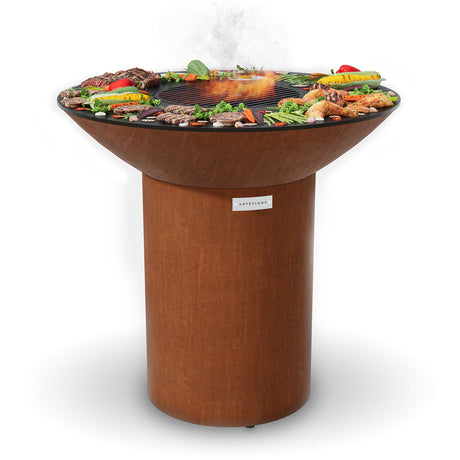
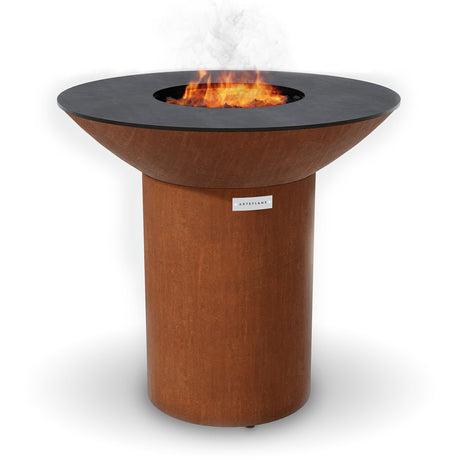
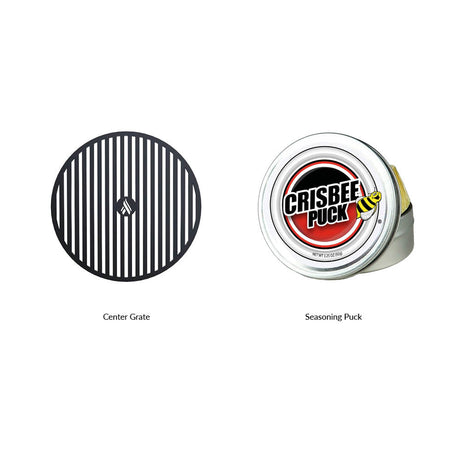
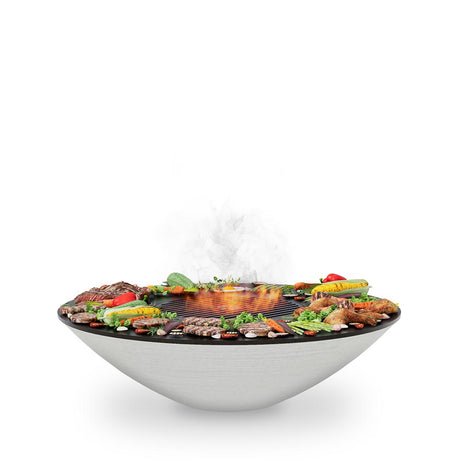
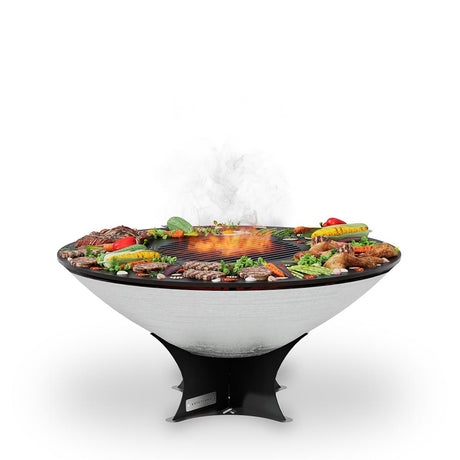
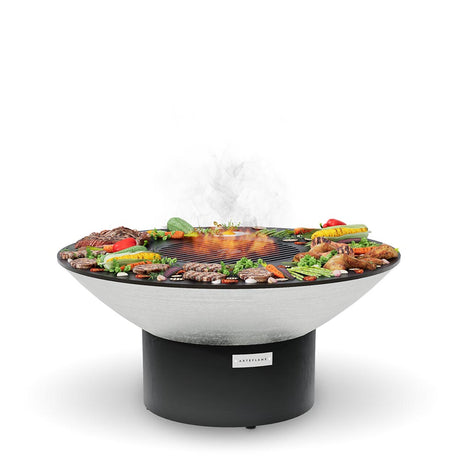
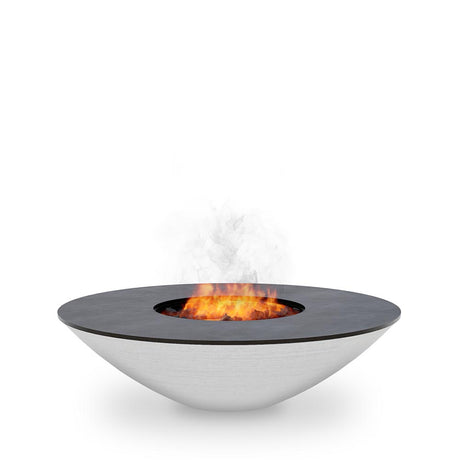
Experience the Arteflame difference — 1,000°F searing, natural wood-fired flavor, and a wide cooktop with multiple heat zones, all in one beautifully designed grill. Cook everything at once, control every temperature with ease, and elevate every outdoor moment. Discover why Arteflame transforms the way you grill.
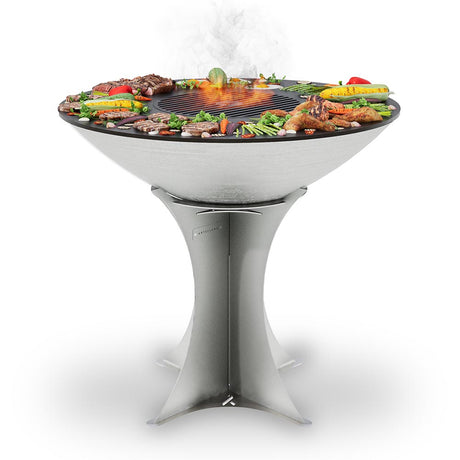

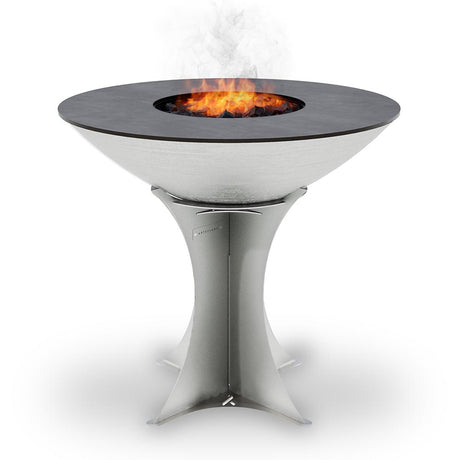


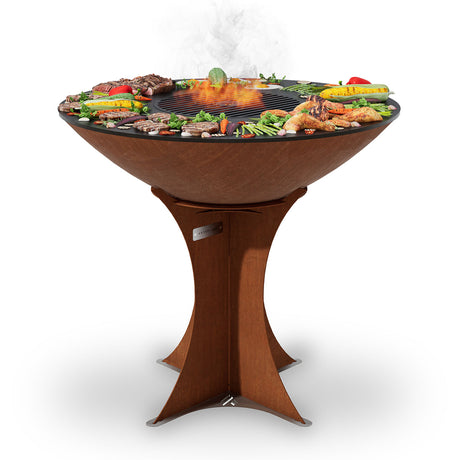
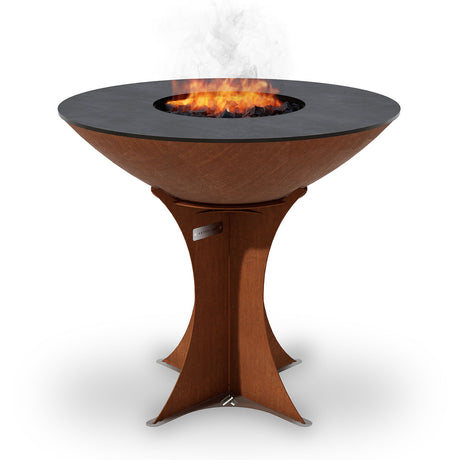


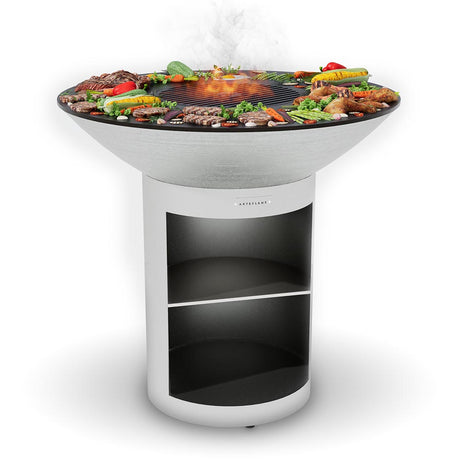
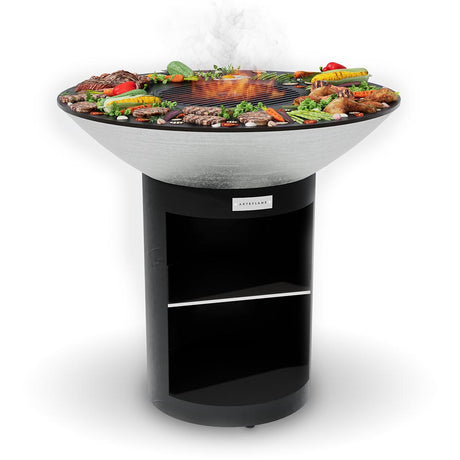
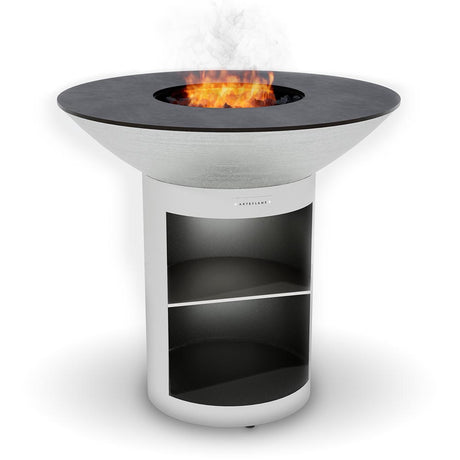


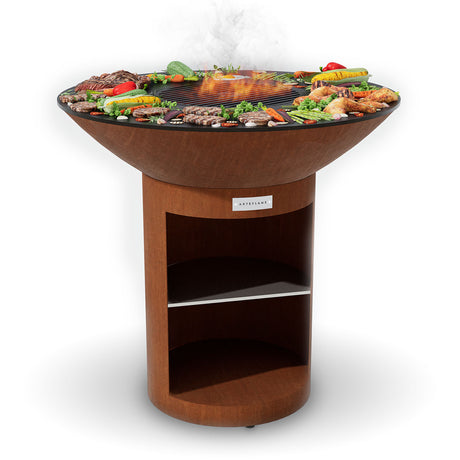

Turn yesterday's leftover macaroni into today's crispy, golden side dish with this easy wood-fired recipe.

Master this Texas-style open-fire brisket cooked entirely on the Arteflame grill. By searing on the center grate and wrapping to render on the flat top, you get perfectly tender, juicy...

Transform standard thick-cut bacon into a sweet, savory appetizer with a dark stout and brown sugar glaze, perfectly caramelized on a flat-top grill.

Render the perfect crispy skin with these Sichuan Peppercorn Duck Breasts, paired with a smoky, sweet, and spicy charred plum-poblano sauce.

Tender artichoke halves charred over high heat and smothered in rich garlic butter and Parmesan cheese.

Achieve the ultimate crust with this low-and-slow beef brisket recipe, utilizing natural heat zones for a perfect sear and incredibly tender finish.

Transform the trending crispy rice paper dumplings into a wood-fired masterpiece. Cooked on the Arteflame flat steel griddle for a shatteringly crisp crust and savory, high-protein filling.

Elevate albacore tuna with a steakhouse-style bacon wrap and a decadent green peppercorn cream sauce, grilled flawlessly on a flat-top.
Inspired to Grill?
Love it? Tell us — rate this recipe in 2 seconds. Tap a star below.