
Crisp and Golden Mac and Cheese Cakes on the Grill
Turn yesterday's leftover macaroni into today's crispy, golden side dish with this easy wood-fired recipe.


There is a specific magic that happens when fresh fish hits a hot grill. The skin blisters and crackles, releasing a savory, smoky aroma that instantly transports you to a coastline campfire. This Alaska Glacier Grilled Herring is the epitome of that rustic elegance. With a golden, charred crust giving way to impossibly buttery meat, it is a sensory experience that celebrates the very best of outdoor cooking. It feels like a special occasion meal, yet it comes together with just a handful of ingredients.
I adore this recipe because it transforms a humble, nutritious ingredient into a gourmet centerpiece. Herring has a distinct, rich profile that stands up beautifully to the intense heat of an Arteflame or charcoal grill. The combination of bright fresh lemon and earthy dill cuts through the natural oils, creating a perfect flavor balance. It is fast, healthy, and incredibly satisfying.
If fresh herring is unavailable, this method works wonderfully with whole sardines or mackerel. For a twist on the herbs, swap the dill for fresh thyme or oregano to lean into a warmer, Mediterranean flavor profile.
Grilling whole herring can be intimidating due to the delicate nature of fish skin, but a few professional tricks ensure success every time. First and foremost, patience is your best tool. When you place the herring on the grill, the proteins in the skin initially bond to the metal. As the skin crisps and caramelizes, it will naturally release its grip. If you try to lift it and it feels stuck, it simply isn't ready—give it another minute. Secondly, temperature management is vital. Herring is an oily fish, which keeps it moist, but overcooking will still dry it out. Aim for high heat to crisp the exterior quickly without cooking the interior for too long. If you are using a flat-top grill like an Arteflame, push the fish slightly away from the center fire once the initial sear is achieved to let it finish cooking gently. Finally, always salt the fish immediately before grilling, not too far in advance, to prevent drawing out moisture that steams the fish instead of searing it.
While the classic lemon and dill preparation is timeless, Alaska herring is a versatile canvas that stands up well to bold flavors. You can easily adapt this recipe to suit your palate or whatever ingredients you have on hand. Because herring is rich and oily, it benefits from strong acids and spices that cut through the fat. Try experimenting with different cultural flavor profiles to keep things exciting. For a more rustic approach, you can even wrap the fish in bacon or grape leaves to protect the skin and add a savory layer. Here are a few distinct variations to elevate your next cookout:
To create a balanced meal, pair your grilled herring with sides that offer texture and acidity to contrast the richness of the fish. In Scandinavia, herring is traditionally served with simple, hearty staples that absorb the flavorful oils. Potatoes are a natural companion; whether they are boiled new potatoes tossed in butter and parsley or sliced thin and roasted on the grill alongside the fish. Pickled elements are also fantastic for cleansing the palate between bites; think quick-pickled cucumbers, red onions, or even beets. For a lighter option, a crisp arugula salad with a sharp vinaigrette works wonders. Regarding beverages, you need something that cuts through the oily nature of the herring. A crisp, cold pilsner or a dry white wine like a Sauvignon Blanc or an un-oaked Chardonnay provides the perfect refreshing counterpoint to the smoky, savory flavors of the glacier herring.
Mastering the art of cooking Alaska Glacier Grilled Herring is a rewarding experience that brings the rugged beauty of the culinary north right to your backyard. This recipe proves that you don't need complicated techniques or a long list of ingredients to create a meal that is both healthy and incredibly delicious. The combination of smoky, crispy skin and tender, nutrient-dense meat creates a texture and flavor profile that is hard to beat. By following these simple steps and respecting the freshness of the catch, you are guaranteed a seafood feast that will impress family and friends alike. So, fire up your grill, embrace the smoke, and enjoy one of the ocean's most sustainable and flavorful gifts.

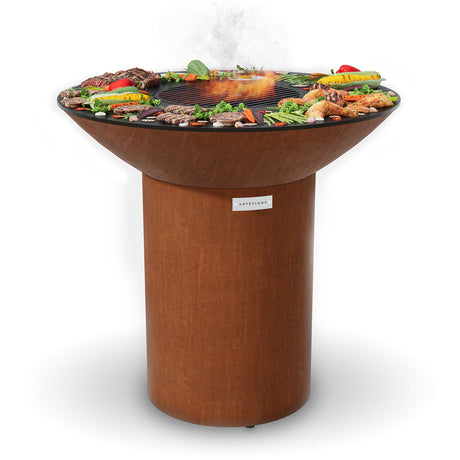
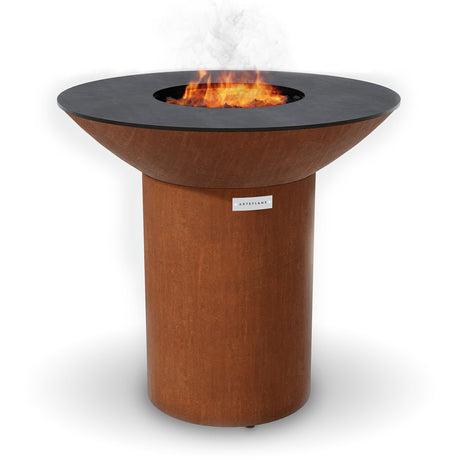
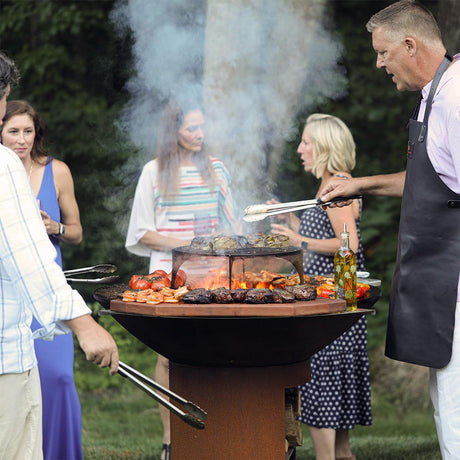
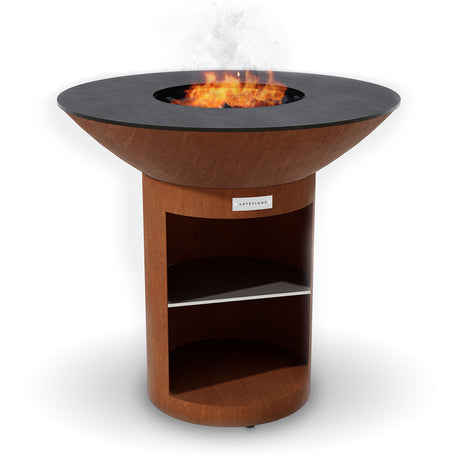
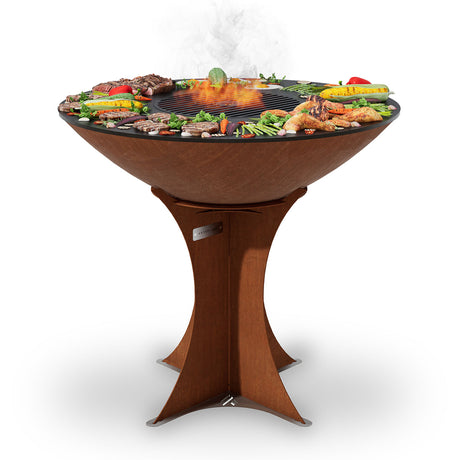
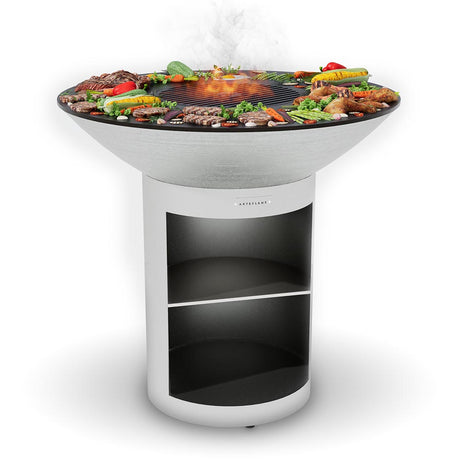
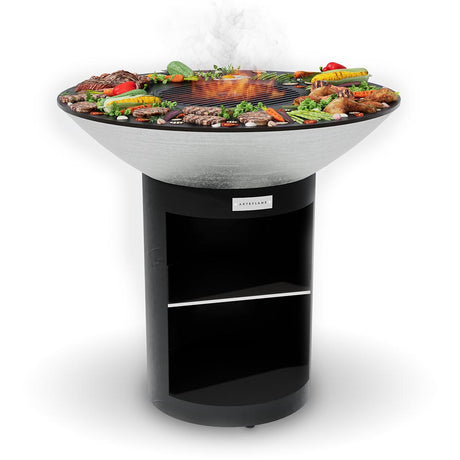
Experience the Arteflame difference — 1,000°F searing, multiple heat zones, and true wood-fired flavor in one striking grill. Cook everything at once with total temperature control and enjoy a more intentional, elevated outdoor cooking experience. Discover why an Arteflame isn’t just a grill — it transforms the way you cook.











Turn yesterday's leftover macaroni into today's crispy, golden side dish with this easy wood-fired recipe.

Master this Texas-style open-fire brisket cooked entirely on the Arteflame grill. By searing on the center grate and wrapping to render on the flat top, you get perfectly tender, juicy...

Transform standard thick-cut bacon into a sweet, savory appetizer with a dark stout and brown sugar glaze, perfectly caramelized on a flat-top grill.

Render the perfect crispy skin with these Sichuan Peppercorn Duck Breasts, paired with a smoky, sweet, and spicy charred plum-poblano sauce.

Tender artichoke halves charred over high heat and smothered in rich garlic butter and Parmesan cheese.

Achieve the ultimate crust with this low-and-slow beef brisket recipe, utilizing natural heat zones for a perfect sear and incredibly tender finish.

Transform the trending crispy rice paper dumplings into a wood-fired masterpiece. Cooked on the Arteflame flat steel griddle for a shatteringly crisp crust and savory, high-protein filling.

Elevate albacore tuna with a steakhouse-style bacon wrap and a decadent green peppercorn cream sauce, grilled flawlessly on a flat-top.
Inspired to Grill?
Love it? Tell us — rate this recipe in 2 seconds. Tap a star below.